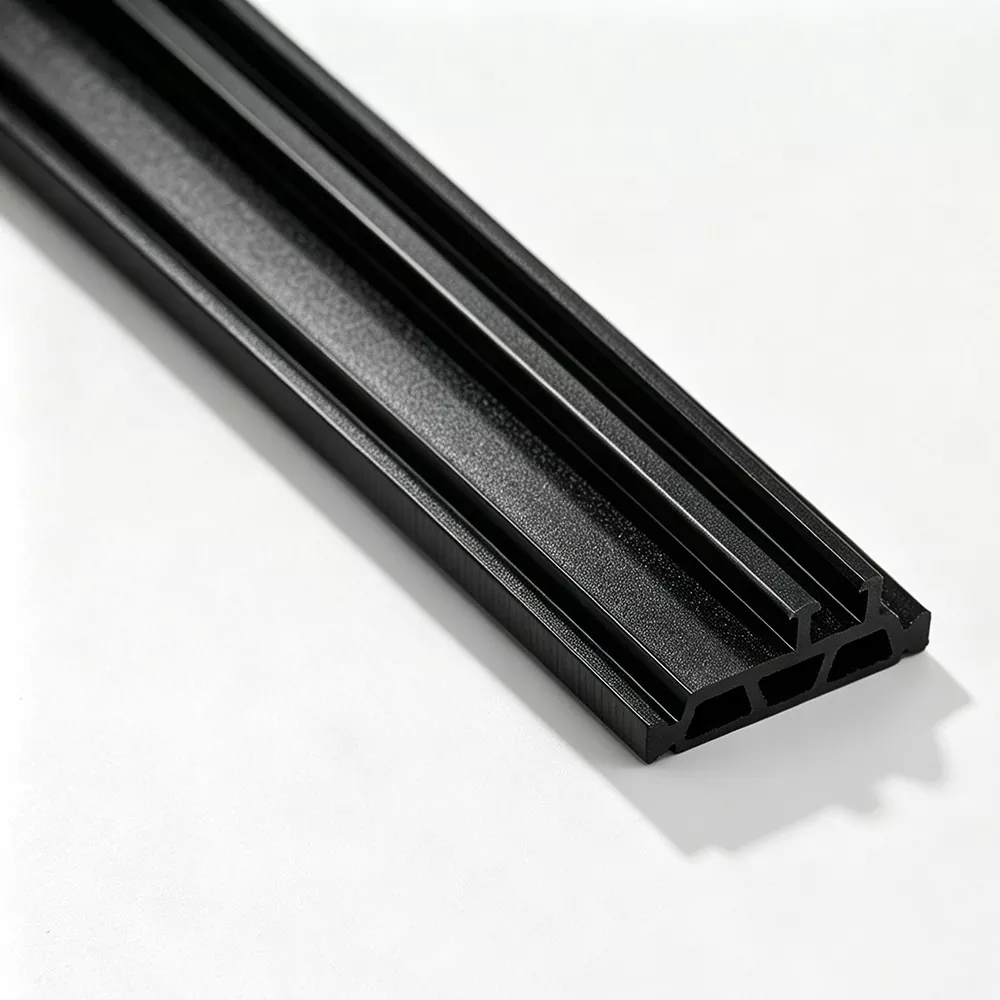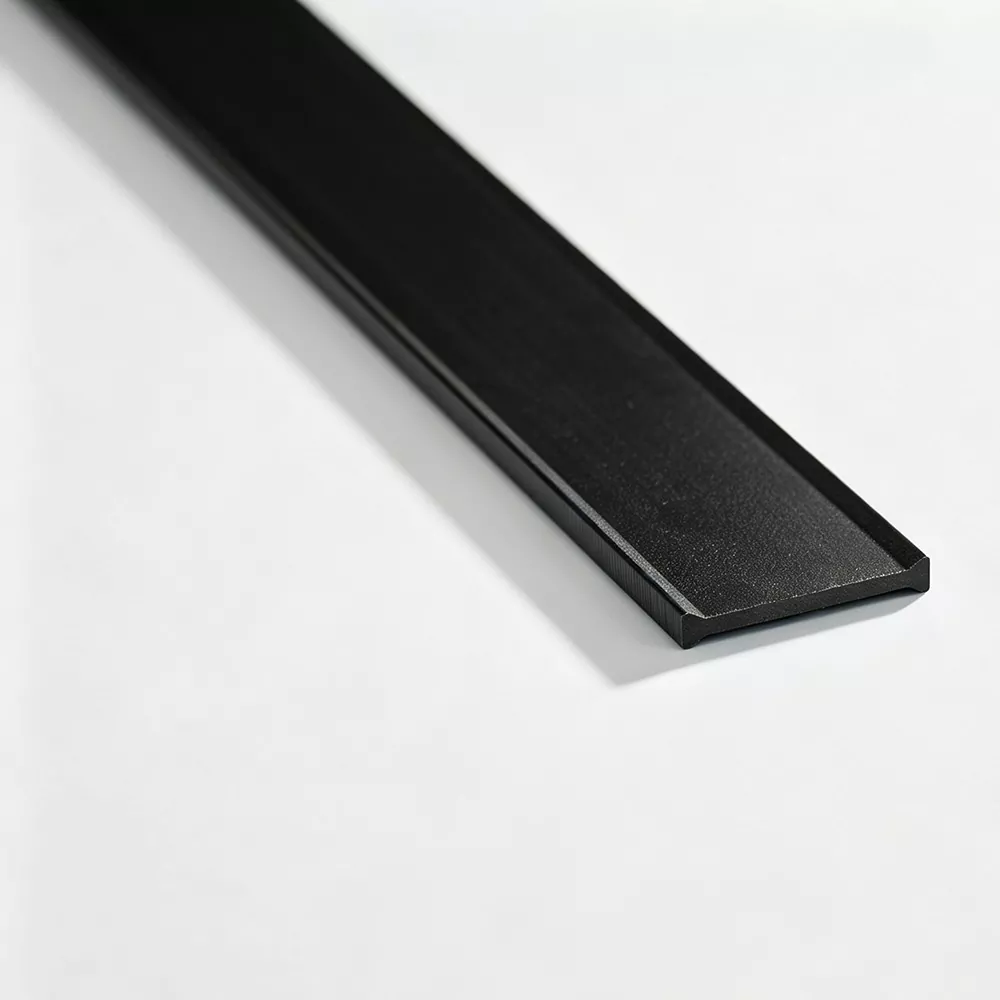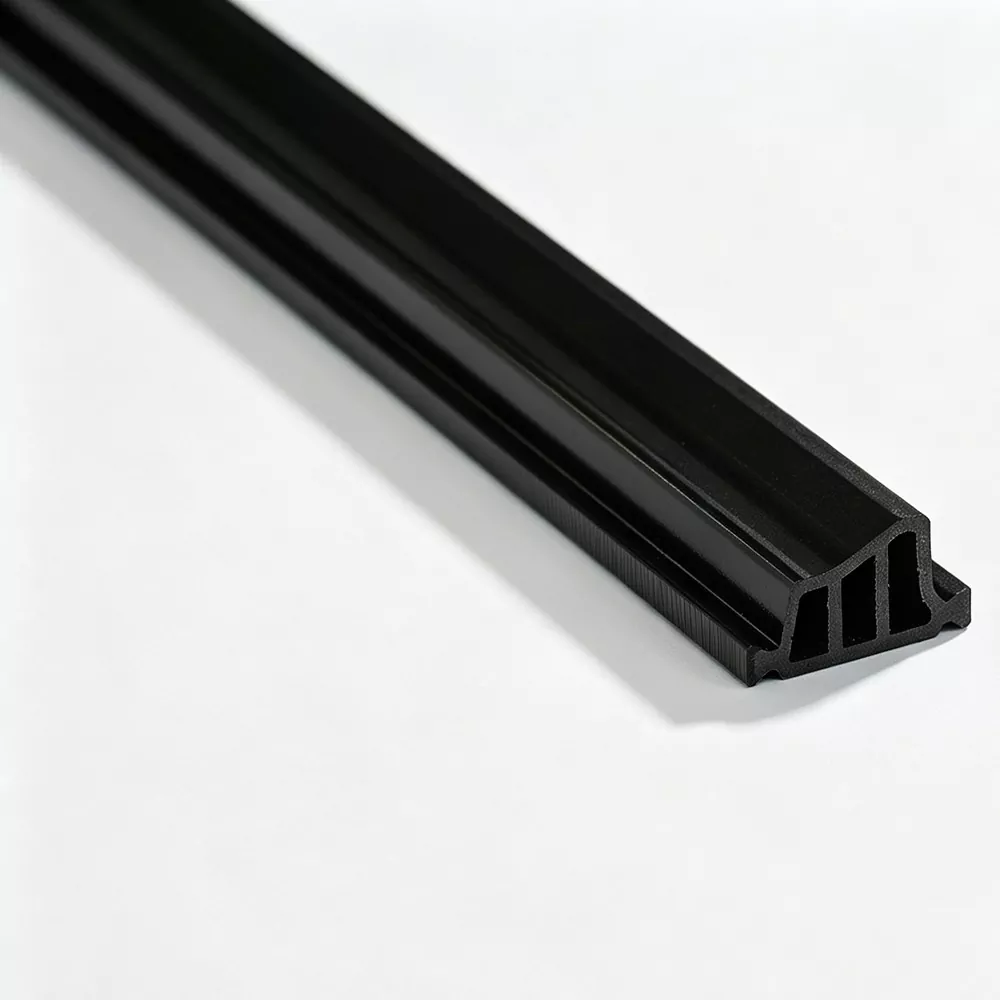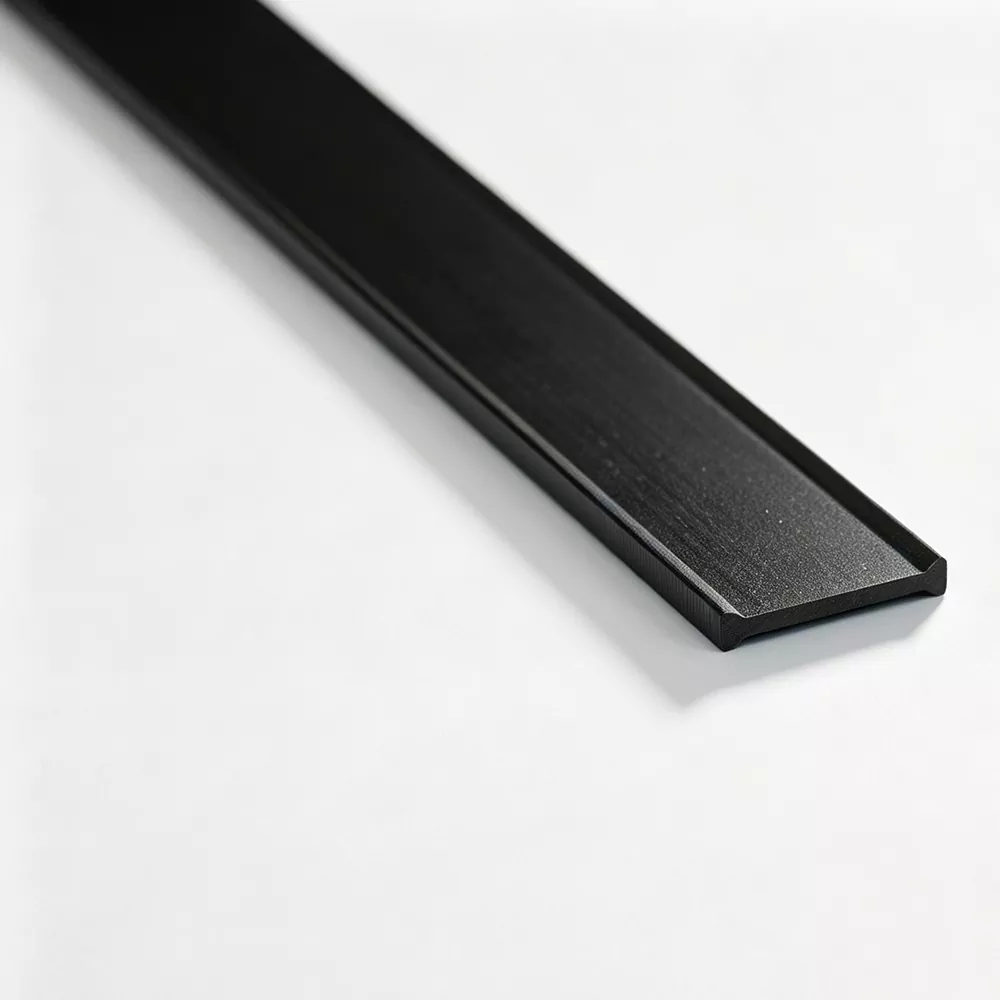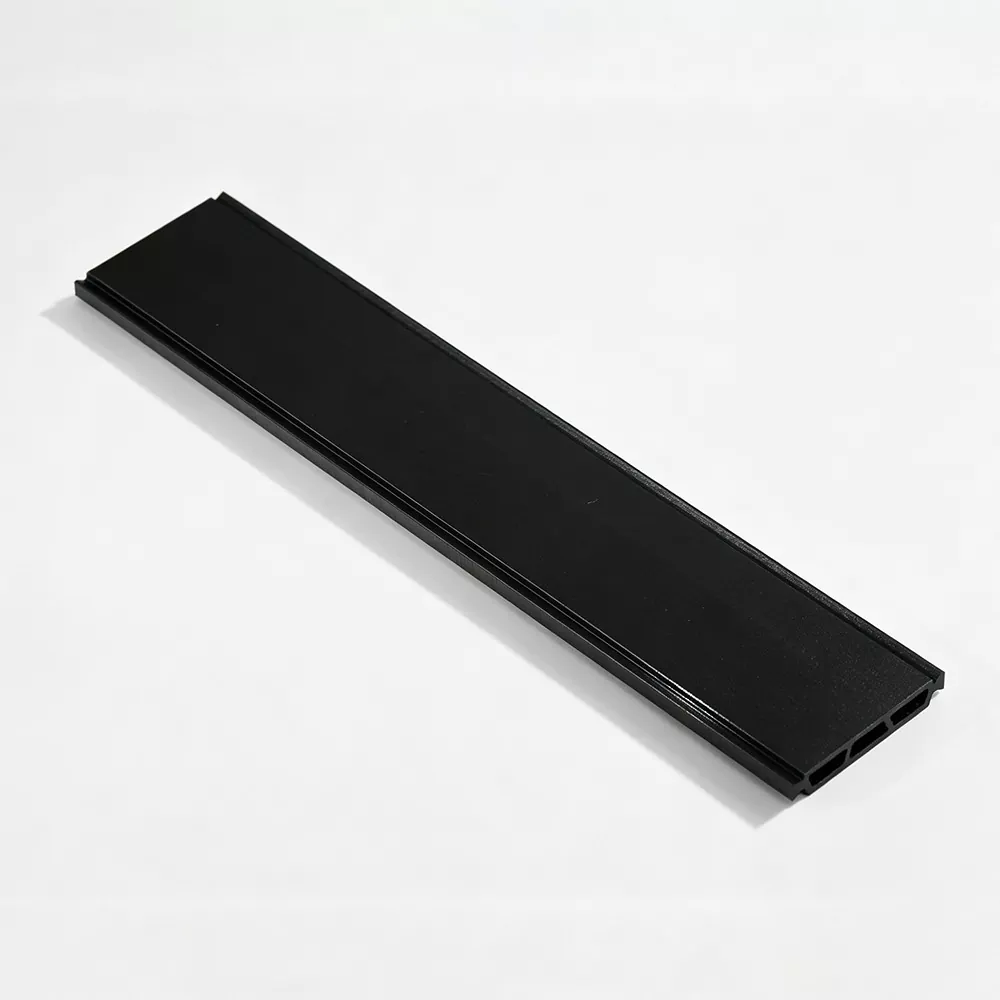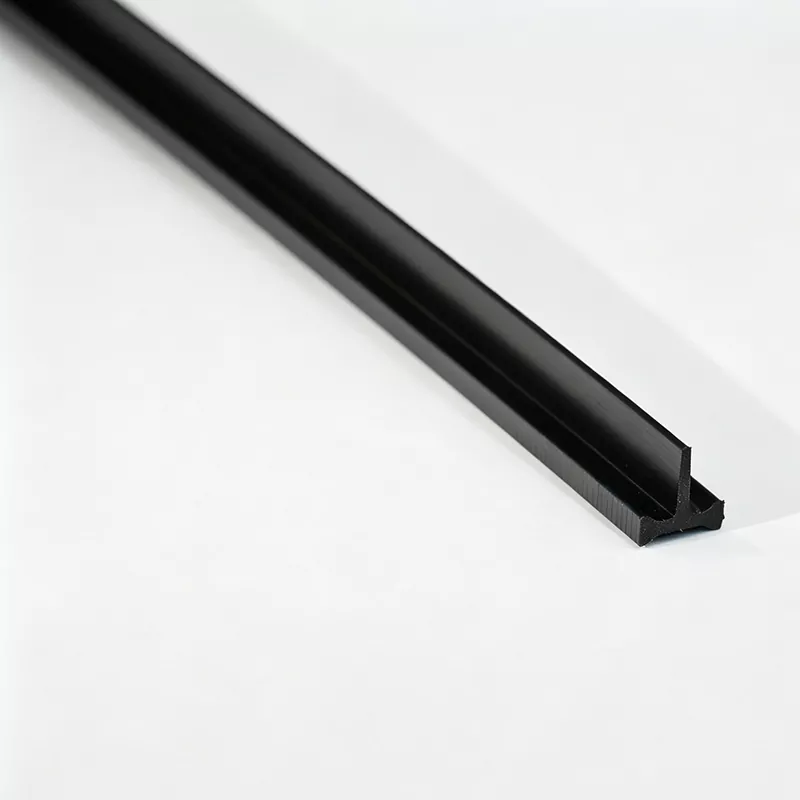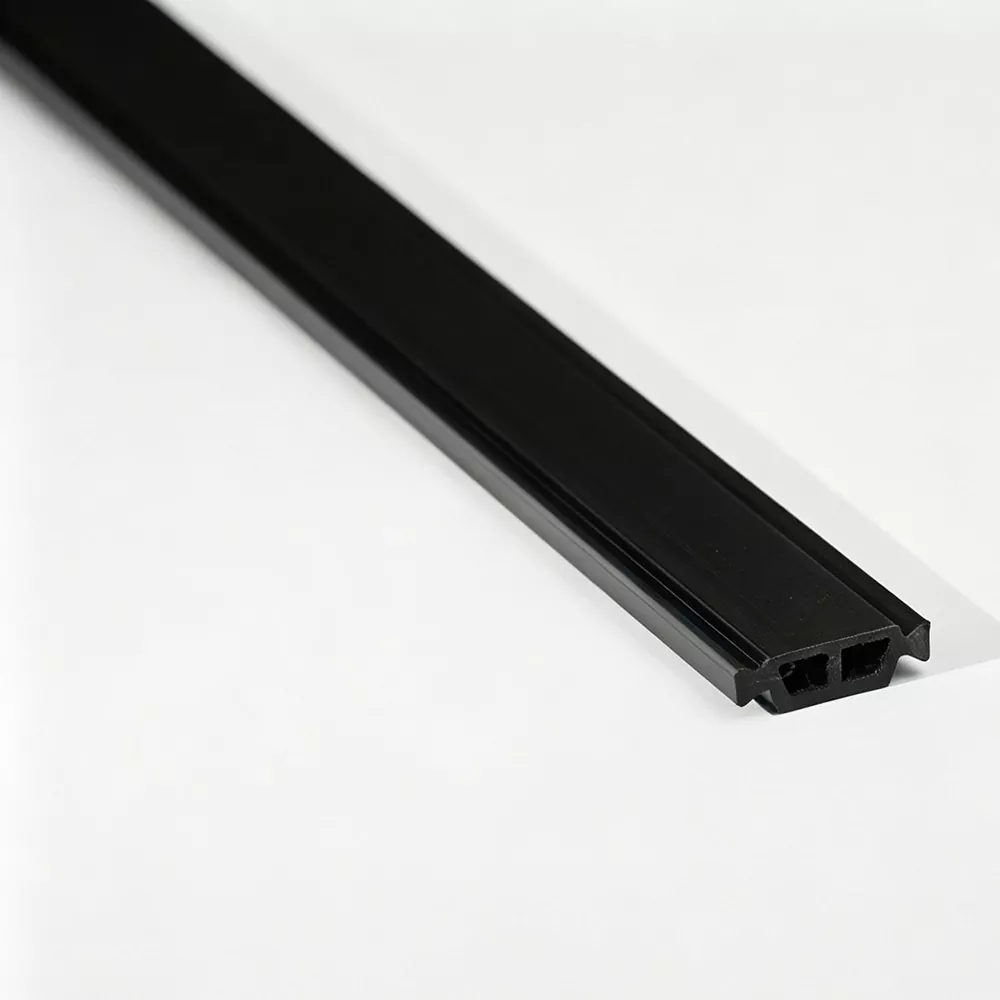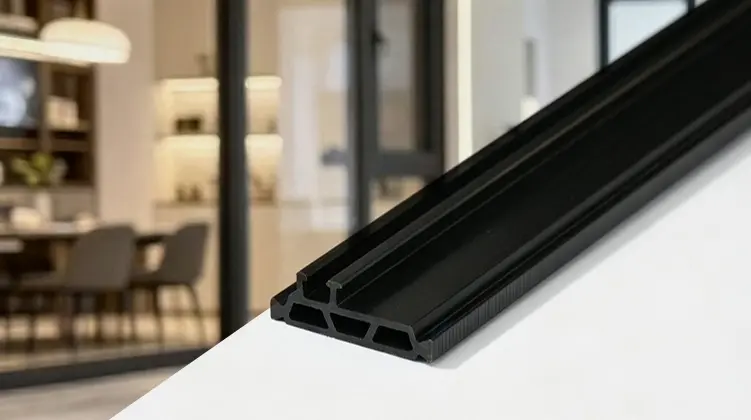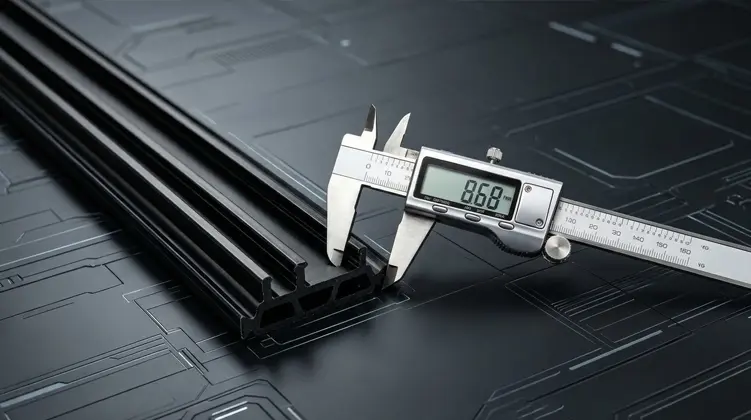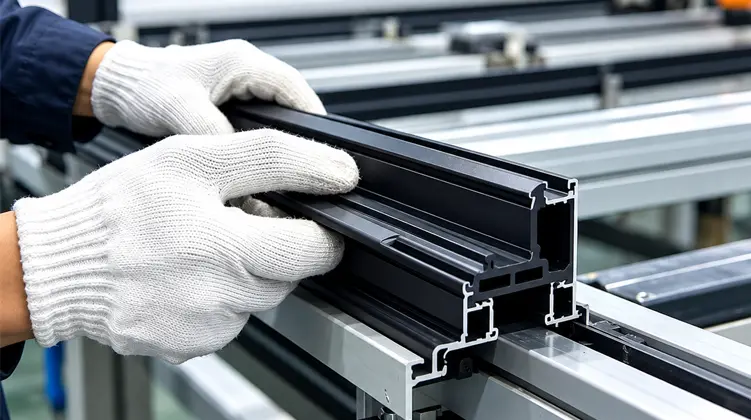

A sound insulation thermal break strip is a specialized building component designed to interrupt conductive heat transfer while helping reduce vibration and sound transmission through structural interfaces. By separating thermally conductive framing or support components from adjacent materials, it can contribute to better indoor comfort, improved envelope performance, and more controlled acoustic conditions. This article explains its working principle, applications, material considerations, installation factors, and practical selection criteria for architects, contractors, fabricators, and building-material buyers.
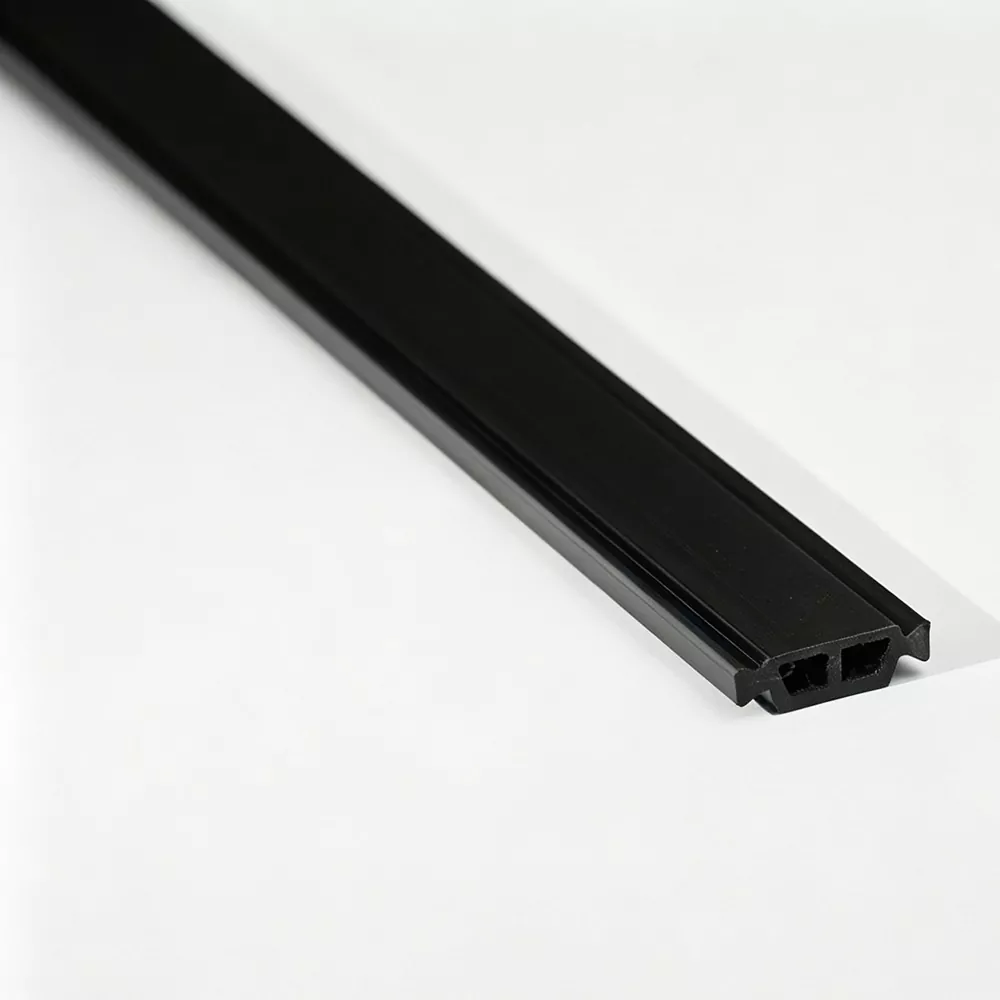
1. What Is a Sound Insulation Thermal Break Strip?
Modern buildings need to control more than temperature. Occupants also expect quiet rooms, stable indoor temperatures, fewer drafts, and comfortable interior surfaces. These requirements become more difficult to achieve when metal framing, brackets, studs, tracks, panels, or other conductive components create direct paths through the building envelope.
A sound insulation thermal break strip is installed at selected interfaces to interrupt these direct paths. Its primary thermal role is to reduce conductive heat transfer through a thermal bridge. Depending on its material composition and installation position, it may also contribute to acoustic decoupling by reducing direct contact and limiting the transfer of vibration between connected building elements.
Thermal bridges are particularly relevant where conductive components cross or interrupt an otherwise insulated envelope. In these locations, heat can bypass the main insulation layer, reducing the effectiveness of the overall assembly and potentially creating colder interior surfaces.
2. What Building Problems Can It Address?
A poorly detailed connection can create several problems at the same time. A metal frame may provide a convenient structural connection, but its high thermal conductivity can create an unwanted heat-transfer route. At the same time, rigid connections can provide pathways for vibration and airborne or structure-borne sound.
These issues are particularly important in lightweight steel framing, curtain walls, façade systems, metal partitions, modular buildings, and other assemblies where conductive materials are concentrated around joints and connections.
Research on thermal break strips in lightweight steel-frame walls has shown that strip material, placement, and the use of single or double layers can influence the thermal performance of the completed wall assembly.
3. How Thermal and Acoustic Functions Work Together
Reducing conductive heat transfer
The thermal function is based on inserting a material with comparatively low thermal conductivity between more conductive components. Instead of allowing a metal-to-metal or metal-to-structure interface to create a continuous conductive path, the strip introduces a controlled insulating layer.
The actual result depends on the complete connection rather than the strip alone. Fasteners, compression, thickness, contact area, geometry, and surrounding insulation can all influence heat flow. For this reason, a product with excellent laboratory material properties does not automatically produce the same improvement in every building detail.
Supporting acoustic decoupling
Acoustic performance works through a different mechanism. A resilient or vibration-damping interface can reduce direct mechanical contact between connected components. This may help limit the transmission of structure-borne vibration through framing and support connections.
However, sound control is an assembly-level challenge. Small gaps, rigid fasteners, poorly sealed joints, service penetrations, and flanking transmission can undermine an otherwise well-designed acoustic wall or façade.
4. Where Are Thermal Break Strips Used?
The exact application depends on the building system, required load capacity, thermal target, acoustic requirements, environmental conditions, and installation method. Common applications include:
- Light gauge steel and cold-formed steel wall systems
- Metal stud and track interfaces
- Curtain wall and façade framing connections
- Window and door frame interfaces
- Exterior cladding support systems
- Roof and wall connection details
- Modular and prefabricated building systems
- Interior partitions requiring vibration control
- Equipment or panel support interfaces where thermal isolation is needed
- Specialized architectural and industrial enclosure systems
Thermal break technology is widely associated with window frames, curtain walls, façade brackets, wall framing, and localized connections. Modern research also categorizes thermal breaks according to structural joints, localized connections, wall cladding, façade brackets, and window-frame applications.
5. Material and Performance Considerations
Choosing a suitable material is more complicated than selecting the lowest available thermal conductivity. The strip must perform within the actual building detail and environmental conditions.
| Performance Factor | Why It Matters | What Buyers Should Check |
|---|---|---|
| Thermal Conductivity | Influences the rate of conductive heat transfer. | Declared conductivity, test method, thickness, and temperature conditions. |
| Thermal Resistance | Indicates resistance to heat flow through the strip. | Thickness and calculated or tested resistance for the intended application. |
| Acoustic Behavior | Determines how effectively the interface can reduce vibration transmission. | Material resilience, stiffness, damping characteristics, and assembly test data. |
| Compression | Excessive compression can change dimensions and performance. | Compressive strength, compression set, and long-term dimensional stability. |
| Moisture Resistance | Moisture can influence durability and thermal performance. | Water absorption, humidity resistance, and environmental exposure limits. |
| Temperature Resistance | Building envelopes experience seasonal and localized temperature changes. | Recommended service temperature range and aging performance. |
| Fire Performance | Material selection must suit the fire strategy of the building assembly. | Applicable fire classification and project-specific requirements. |
Material selection should balance thermal conductivity with strength, stiffness, durability, constructability, and cost. Thermal-break systems can use polymers, fiber-reinforced materials, foam-based products, elastomeric materials, or engineered composites depending on the intended application.
6. Key Factors for Product Selection
Buyers often focus on thermal conductivity first, but a reliable purchasing decision should evaluate the complete application. The following questions can help narrow down the appropriate specification.
-
Where will the strip be installed?
Identify whether it will sit between metal framing, façade brackets, panels, window frames, tracks, or another interface. -
Is the connection load-bearing?
A non-load-bearing insulation strip and a structural thermal break may require very different mechanical properties. -
What thickness is required?
Thickness influences thermal resistance, compression, dimensional stability, and connection geometry. -
Does the project have acoustic requirements?
If vibration reduction is important, consider resilient behavior and the complete connection detail rather than thermal conductivity alone. -
What environmental conditions are expected?
Outdoor façades may experience moisture, UV exposure, temperature cycling, and freeze-thaw conditions that differ from protected interior applications. -
How will it be installed?
Adhesive, mechanical fastening, compression fitting, pre-cut sections, or continuous rolls can affect installation speed and final performance.
7. Installation and Project Considerations
Installation quality can have a major influence on the effectiveness of a thermal break strip. Even a high-performance material can lose value if it is discontinuous, incorrectly positioned, excessively compressed, or bypassed by unnecessary conductive connections.
Maintain continuity where practical
The strip should follow the intended thermal-control path as continuously as the construction detail allows. Unplanned gaps may create localized conductive bridges.
Control compression
Compression should remain within the manufacturer's recommended range. Excessive compression may change thickness, mechanical behavior, and acoustic resilience.
Coordinate fasteners and connections
A thermal break does not eliminate heat transfer through every fixing. Bolts, screws, brackets, and other conductive elements can still provide heat-transfer paths. Connection geometry therefore needs to be considered as a complete system.
Protect the interface
Outdoor applications should consider moisture exposure and long-term environmental durability. Moisture can affect the thermal properties and service life of some thermal-break materials, making appropriate material selection and detailing important.
8. Practical Benefits for Building Projects
When properly selected and installed, a sound insulation thermal break strip can support several project objectives at the same time.
It is important to distinguish between a product's potential contribution and the performance of a completed building. Thermal bridges are influenced by geometry, materials, penetrations, and connection details, while acoustic performance depends on the entire sound-control assembly.
9. Performance Considerations at a Glance
| Project Challenge | Role of a Thermal Break Strip | Additional Design Attention |
|---|---|---|
| Metal-to-metal thermal bridge | Introduces a low-conductivity interface. | Check fasteners, continuity, thickness, and connection geometry. |
| Cold interior surface | Can reduce localized conductive heat flow. | Evaluate the complete thermal bridge and indoor humidity conditions. |
| Structure-borne vibration | May provide a resilient separation layer. | Control rigid bypasses and flanking paths. |
| Lightweight steel framing | Helps address conductive paths through steel members. | Coordinate with cavity insulation and exterior insulation. |
| Façade connection | Can reduce thermal bridging at selected support points. | Verify load capacity, moisture exposure, and long-term durability. |
10. Frequently Asked Questions
What is the main purpose of a sound insulation thermal break strip?
Its primary purpose is to interrupt conductive heat transfer at a building connection. Depending on the material and assembly, it can also contribute to acoustic decoupling by reducing direct mechanical contact and vibration transmission.
Can a thermal break strip replace conventional sound insulation?
Generally, no. A thermal break strip is a localized interface component rather than a complete acoustic insulation system. Effective sound control usually requires a combination of mass, absorption, airtightness, resilient separation, and careful control of flanking paths.
Are thermal break strips suitable for steel framing?
Yes. Steel framing is a common application because metal members can create strong thermal bridges through otherwise insulated assemblies. Experimental research has specifically evaluated thermal break strips in lightweight steel-frame walls.
Does a thicker strip always provide better performance?
Not necessarily. Increasing thickness may improve thermal resistance in some designs, but the final result also depends on material conductivity, compression, connection geometry, fasteners, and the surrounding assembly. The appropriate thickness should therefore be determined from the project detail.
What materials can be used for thermal break strips?
Depending on the application, thermal break products may use engineered polymers, elastomers, foam materials, fiber-reinforced composites, or other low-conductivity materials. Structural applications require additional attention to compressive strength, stiffness, creep, and dimensional stability.
Can thermal break strips help prevent condensation?
They can contribute to condensation-risk management by reducing localized heat flow and helping maintain warmer surface temperatures at thermal-bridge locations. However, condensation depends on the complete envelope design, indoor humidity, outdoor temperature, air leakage, and moisture control.
What should buyers request from a thermal break strip supplier?
Buyers should request product dimensions, thermal conductivity data, temperature range, compression characteristics, material composition, environmental resistance, applicable test reports, installation guidance, and information about customization options. For project-specific applications, sample testing or assembly-level performance data can also be valuable.
Can thermal break strips be customized?
11. Final Thoughts
A sound insulation thermal break strip may be a relatively small component, but its position at a critical interface gives it an important role in modern building design. By separating conductive materials and, where appropriate, providing a resilient interface, it can support both thermal-control and acoustic objectives.
The most reliable approach is to select the strip according to the complete connection rather than evaluating a single material property in isolation. Thermal conductivity, thickness, compression, mechanical requirements, acoustic behavior, environmental exposure, installation method, and connection geometry should all be considered together.
For architects, contractors, fabricators, distributors, and building-material purchasers, the right thermal break solution can help address common challenges associated with metal framing, façade connections, lightweight construction, and other areas where thermal and acoustic performance intersect.
Looking for a Customized Sound Insulation Thermal Break Strip?
Guangde Jinxing International Trading Co., Ltd. can support buyers looking for application-oriented thermal break and insulation solutions. Whether you need specific dimensions, material requirements, customized profiles, or project-based product recommendations, a detailed application brief can help identify a suitable solution for your building system.
Share your required size, installation position, operating environment, thermal requirements, acoustic objectives, and expected order quantity to discuss the appropriate product configuration.
Contact Guangde Jinxing International Trading Co., Ltd.
For product specifications, customized Sound Insulation Thermal Break Strip requirements, application consultation, or bulk purchasing inquiries, please contact Guangde Jinxing International Trading Co., Ltd. with your project details. A clear description of the application can help accelerate product matching and technical communication.