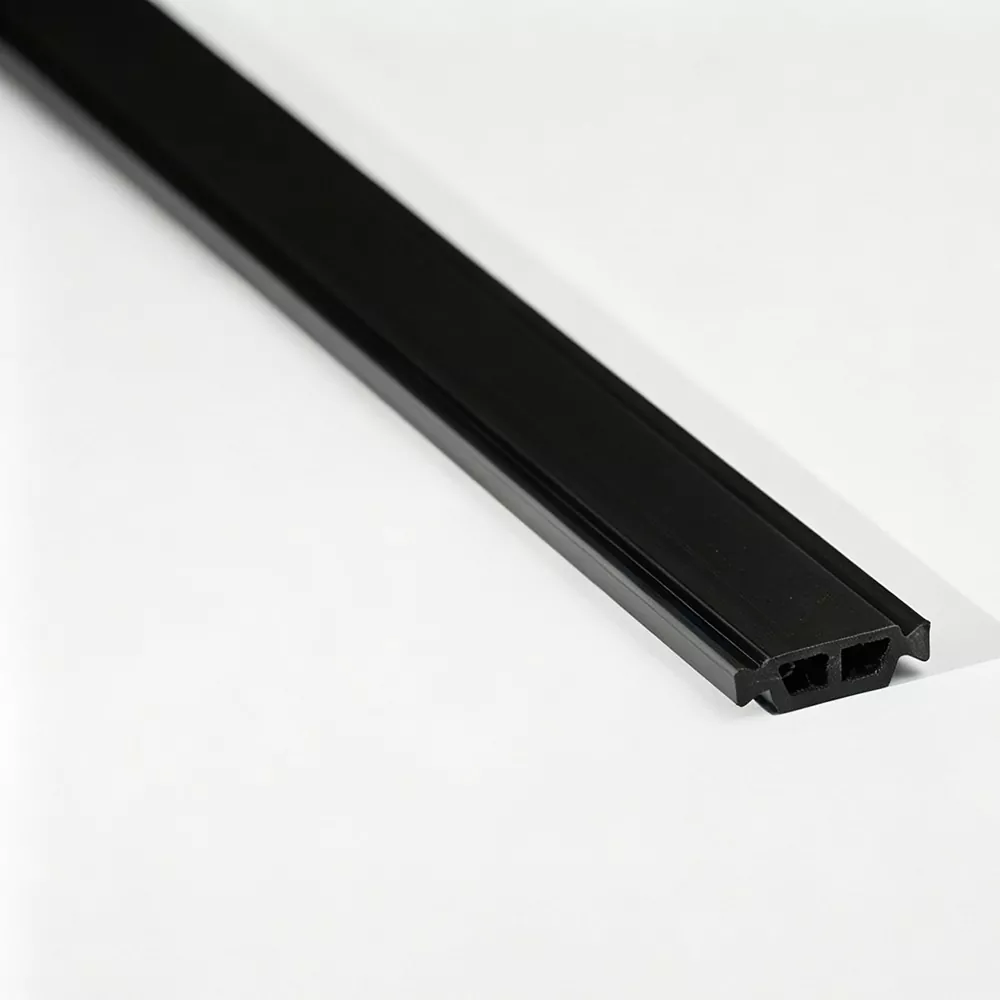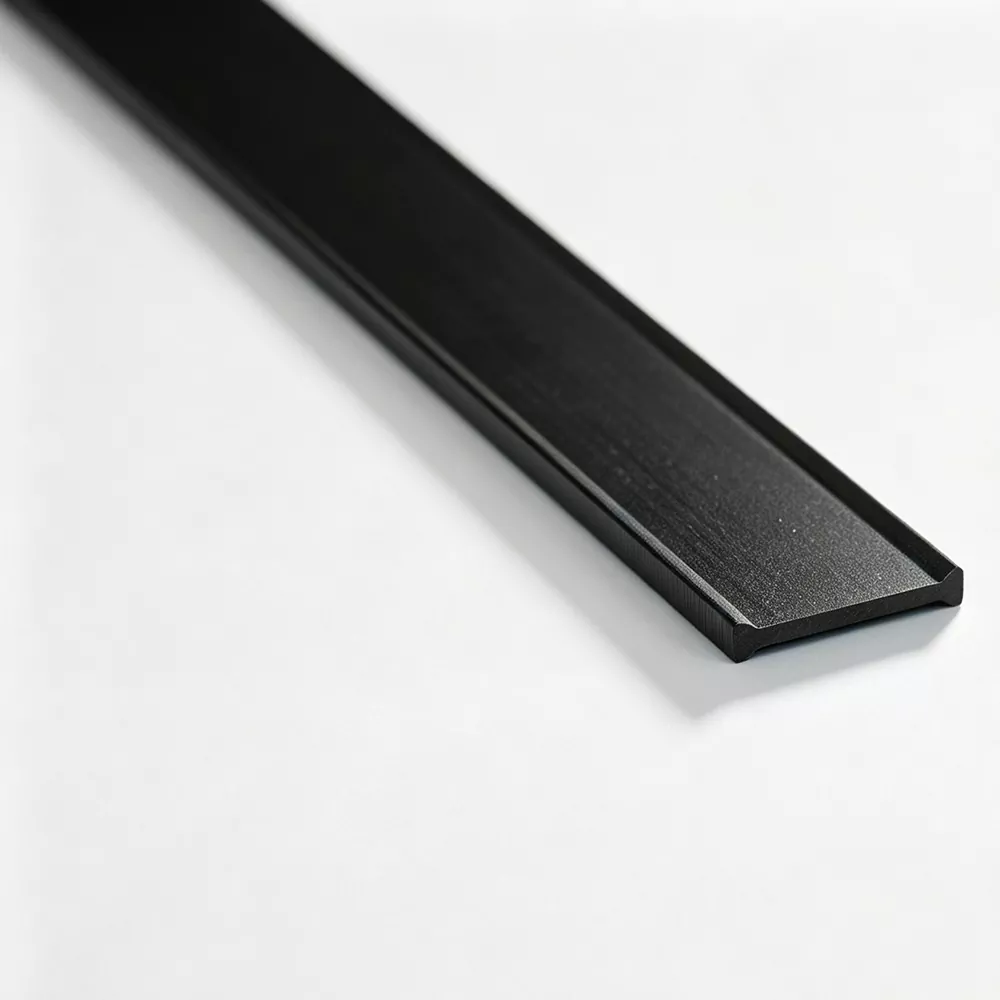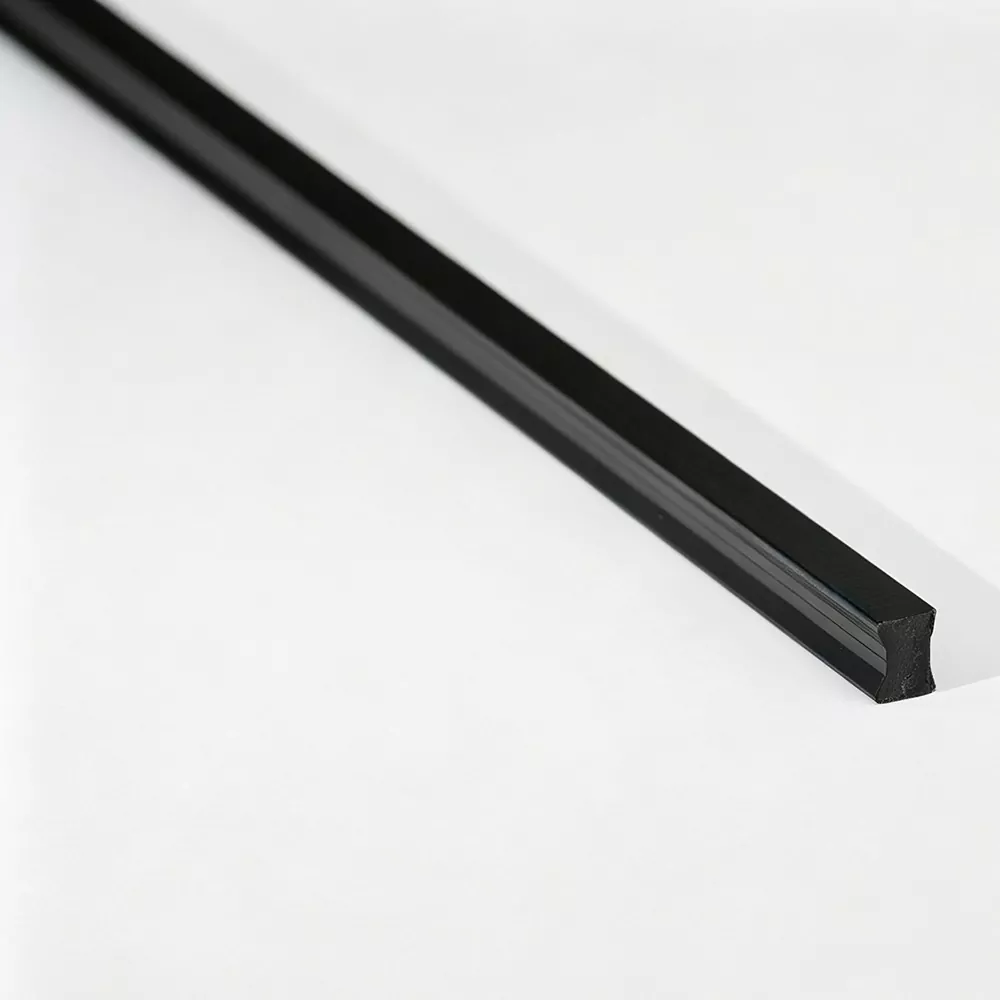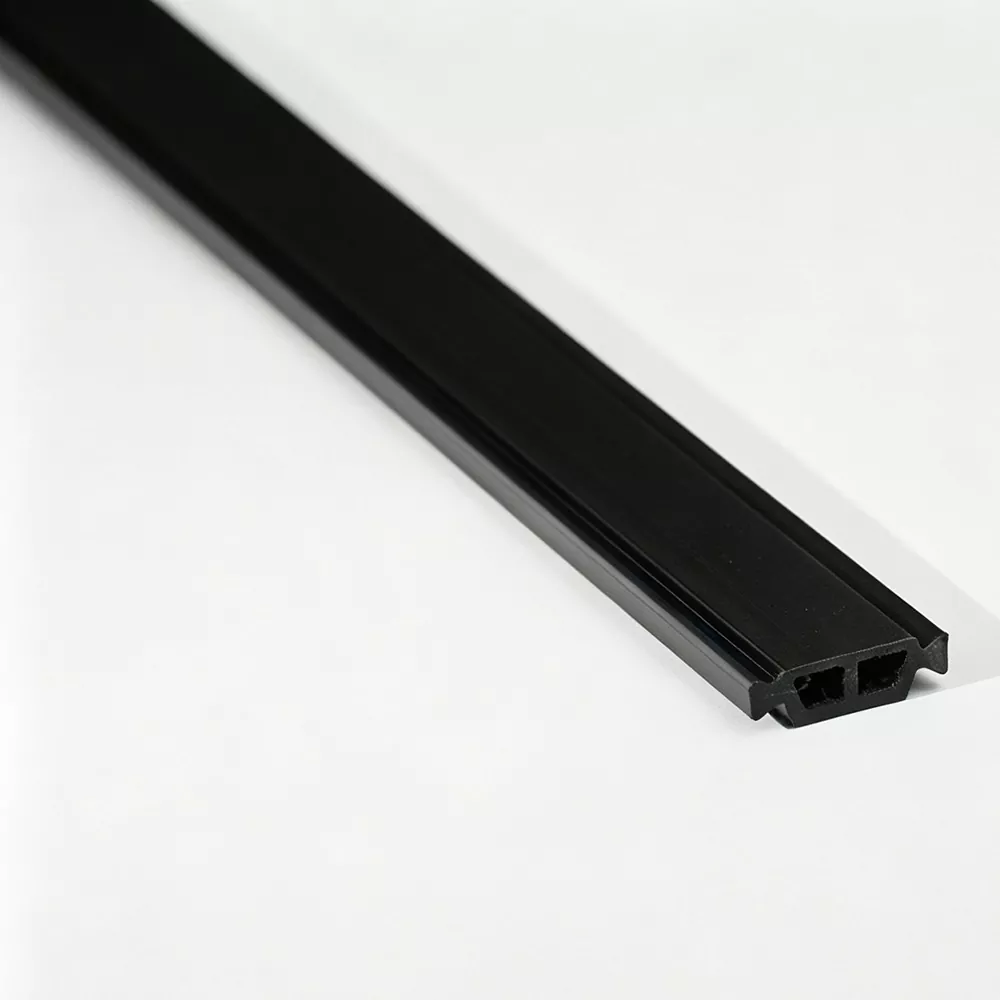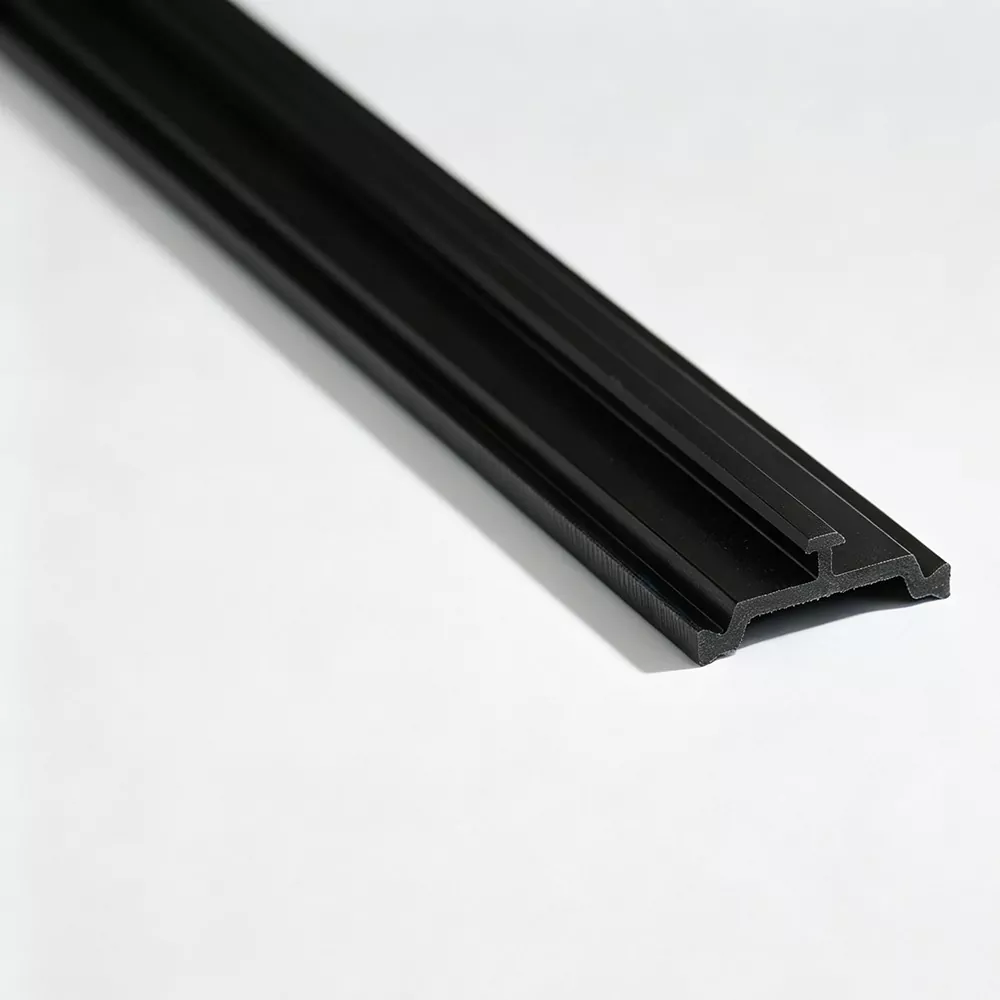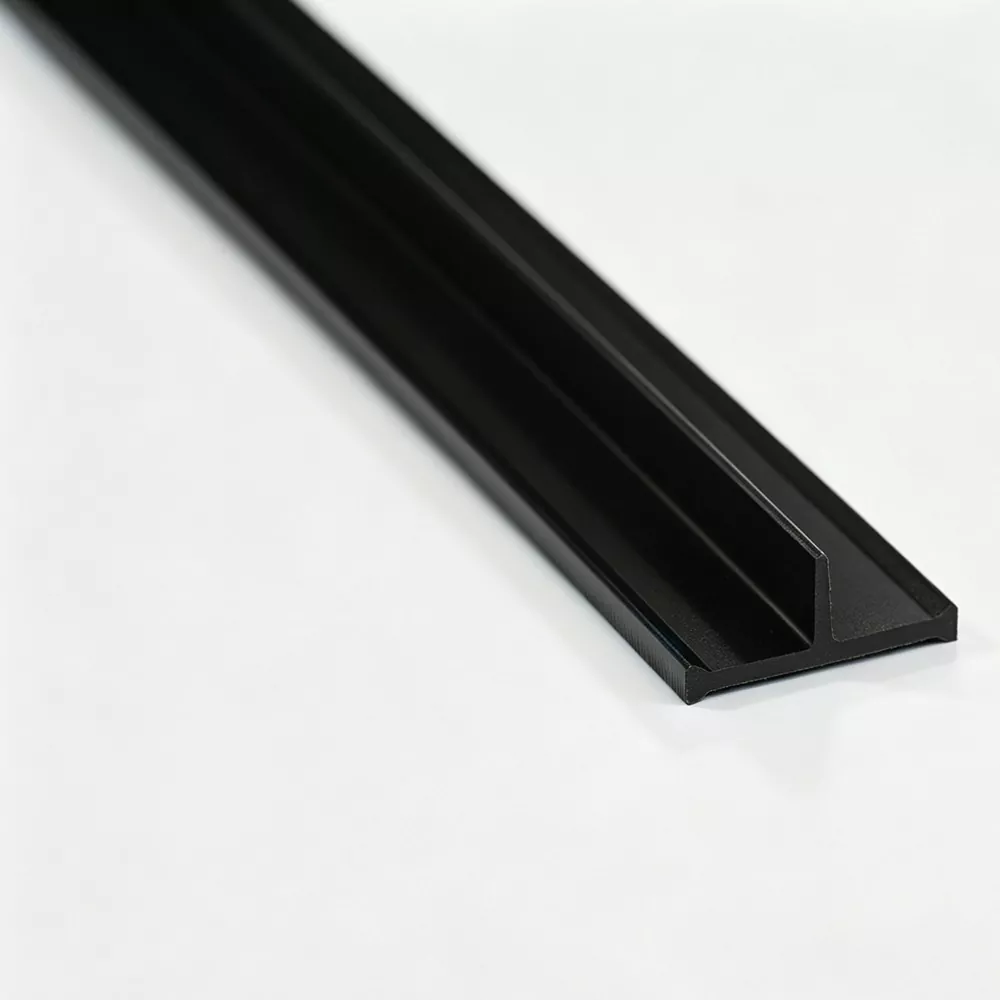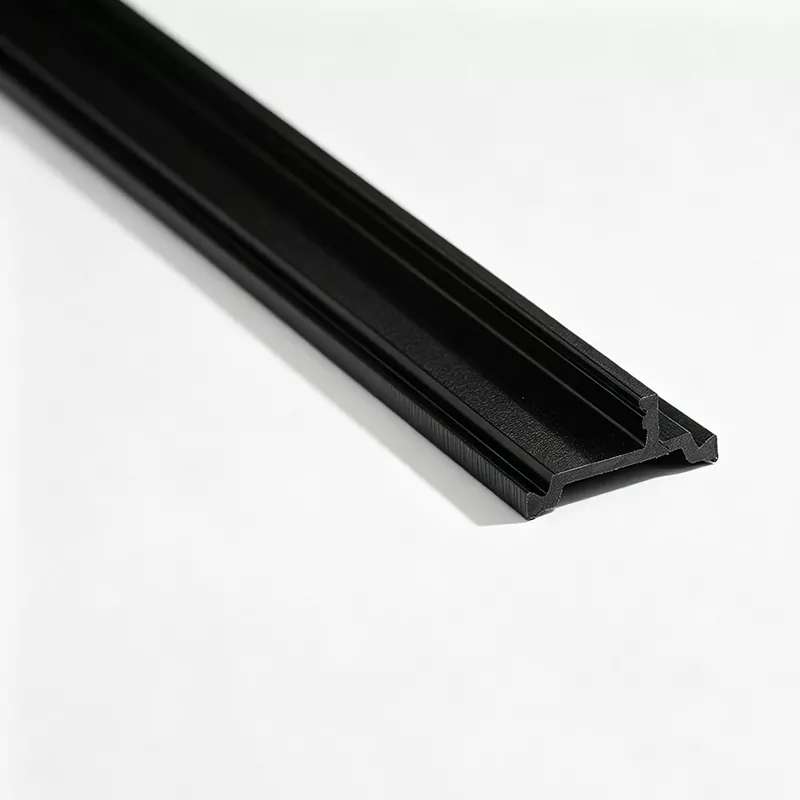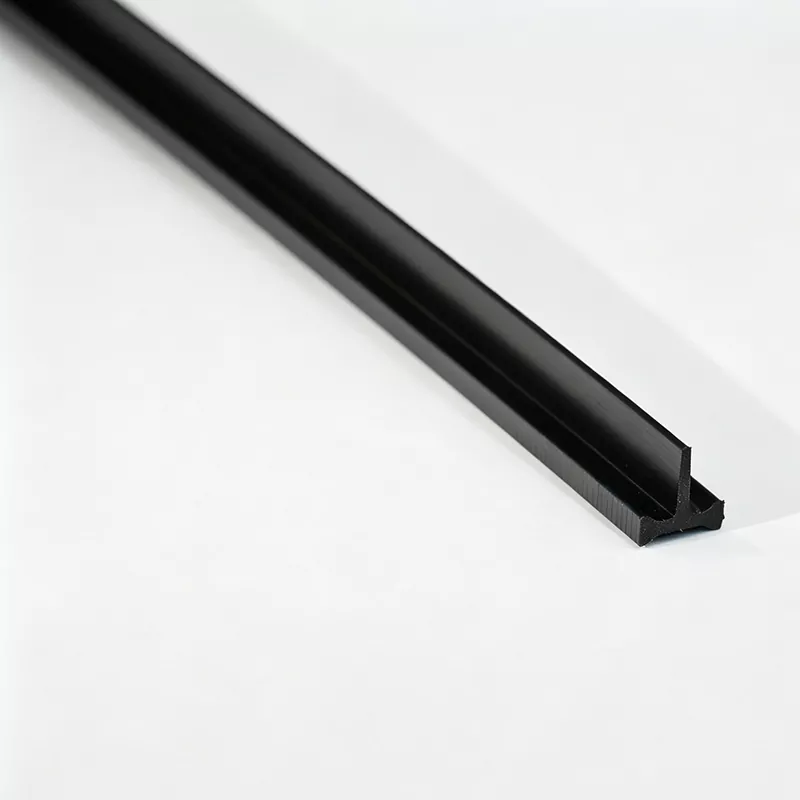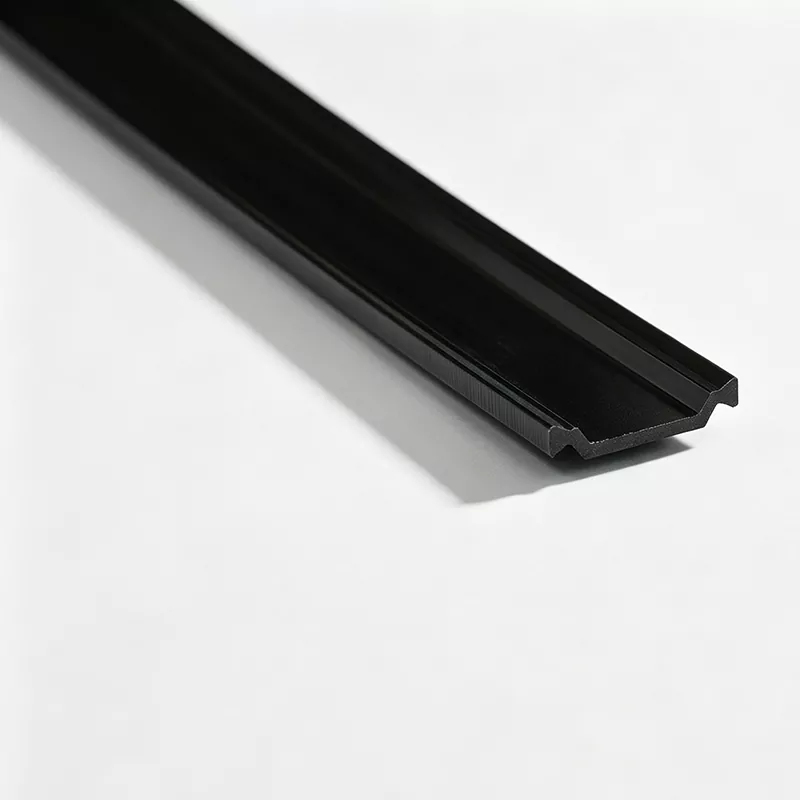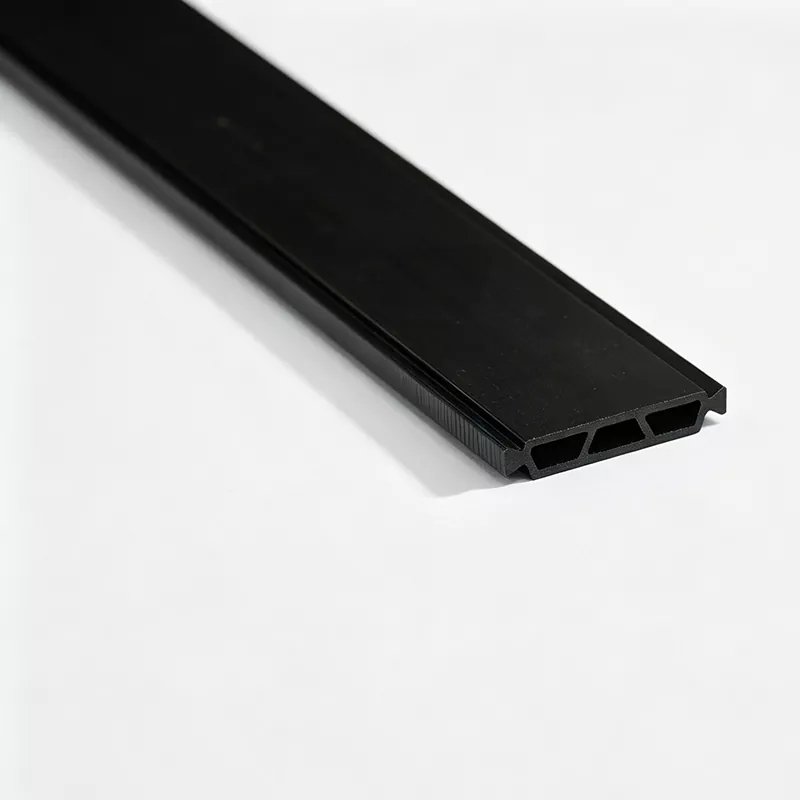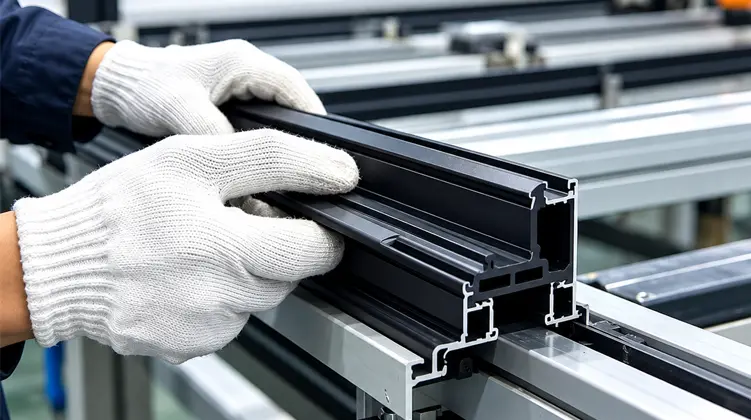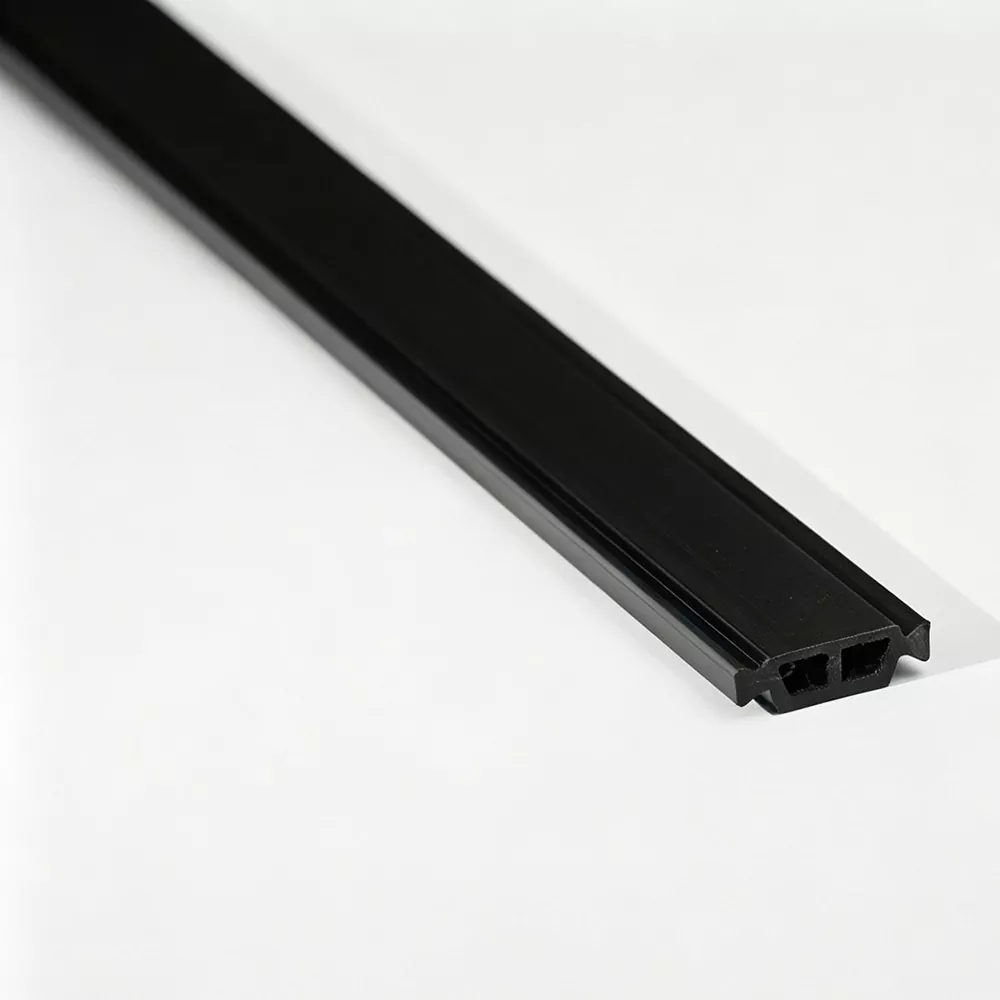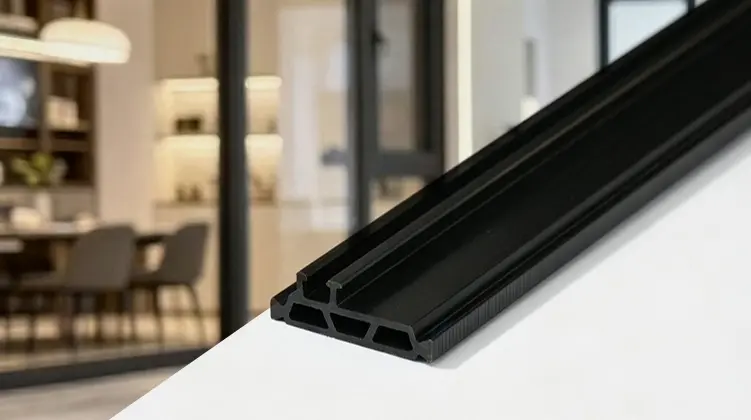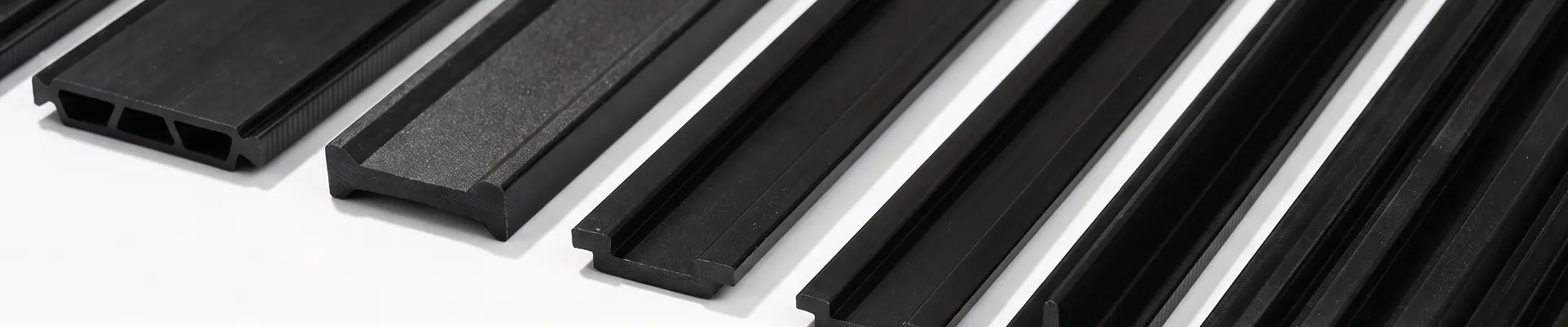
Jinxing Thermal Break Strips are PA66-based insulation profiles designed to separate interior and exterior aluminum sections and reduce direct heat transfer through the frame. Manufactured in China, our range includes I-Type, C-Type, T-Type and customized profiles with PA66 GF25 reinforcement for aluminum windows, doors, curtain walls and other thermally broken aluminum systems.
PA66 reinforced with 25% glass fiber provides the rigidity and mechanical stability required for thermal break assembly. The reinforced structure is suitable for insertion, rolling and long-term engagement within aluminum profiles.
Stable dimensions are important because the thermal break strip must remain accurately fitted to the aluminum cavity throughout assembly. Jinxing controls extrusion, cooling and shaping conditions to maintain profile consistency.
The polyamide section creates a non-metallic barrier between separated aluminum components, interrupting the direct metal heat-transfer path within the frame.
A thermal break strip cannot be selected only by product name or application. The actual aluminum extrusion determines the required section.
|
Aluminum Profile Factor |
Related Strip Requirement |
|
Cavity width |
Strip width |
|
Cavity depth |
Profile height |
|
Groove structure |
Locking geometry |
|
Required separation |
Strip thickness |
|
Assembly process |
Insertion and rolling compatibility |
Jinxing can review the aluminum profile drawing or sample before production to determine the appropriate section.
Thermal Break Strips are used in thermally separated window frames and sashes to create insulation between the interior and exterior aluminum sections.
For door profiles, the strip must maintain thermal separation while remaining mechanically stable during profile assembly and repeated use.
Thermal break profiles are used in façade framing systems, including mullions, transoms and other thermally separated aluminum sections.
Customized thermal break sections can also be developed for aluminum extrusion systems with special dimensions or locking structures.
Jinxing controls the main production process internally:
Material Blending → Extrusion Molding → Cooling and Shaping → Precision Cutting
PA66 nylon and glass fiber are sourced from imported suppliers or leading domestic brands. Incoming materials are checked for melt flow index, glass-fiber content and moisture.
Multiple parallel twin-screw extrusion lines are combined with self-developed molds and cooling systems. Extrusion temperature, pulling speed and cooling water temperature are controlled to maintain the required profile dimensions.
Jinxing's extrusion process controls glass-fiber orientation to support longitudinal strength and transverse shear resistance, helping the profile withstand insertion and roll-forming processes.
Quality inspection covers the main stages of production rather than relying only on final inspection.
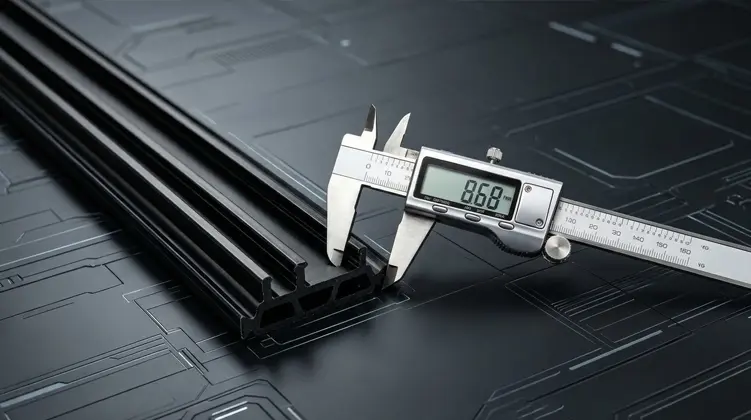
Production samples are checked for cross-sectional dimensions and surface defects at regular intervals, with process parameters recorded for traceability.
According to the applicable requirements, Jinxing can evaluate density, Shore hardness, longitudinal and transverse tensile strength, water resistance, thermal aging and linear expansion characteristics.
Finished strips are inspected for appearance and dimensions before shipment, with an English inspection report available with the goods.
Jinxing controls material preparation, extrusion, cooling, shaping and cutting within its own production system rather than relying on subcontracted manufacturing.
The product can be developed around the customer's actual aluminum extrusion, including special sections and assembly requirements.
Jinxing can provide support for profile slot design, strip insertion and roll-forming conditions, including common production issues such as difficult insertion, cracking and insufficient shear strength.
Jinxing focuses on transparent quotations, realistic delivery schedules and traceable production information rather than overstating product performance.
What are Thermal Break Strips used for?
They are used to separate interior and exterior aluminum sections and reduce direct heat transfer through thermally broken aluminum profiles.
What material are Jinxing Thermal Break Strips made from?
Jinxing's core products use PA66 nylon reinforced with 25% glass fiber, commonly referred to as PA66 GF25.
What types of Thermal Break Strips does Jinxing produce?
The range includes I-Type, C-Type, T-Type and special-shaped customized thermal break profiles.
Where are Thermal Break Strips used?
They are mainly used in aluminum windows, doors, curtain walls and other thermally separated aluminum extrusion systems.
Can the thermal break strip be customized?
Yes. Jinxing can develop customized dimensions and cross-sections according to aluminum profile drawings or physical samples.
What information is needed for a customized thermal break strip?
An aluminum profile drawing or sample, required strip dimensions, locking structure and assembly method are useful for selecting or developing the profile.
What supply forms are available?
Jinxing supplies straight strips at 6 meters per piece and coiled strips at 500 meters per roll for suitable specifications.
Can Jinxing provide technical support during profile development?
Yes. Support can cover profile slot design, strip insertion, roll-forming conditions and related assembly problems.