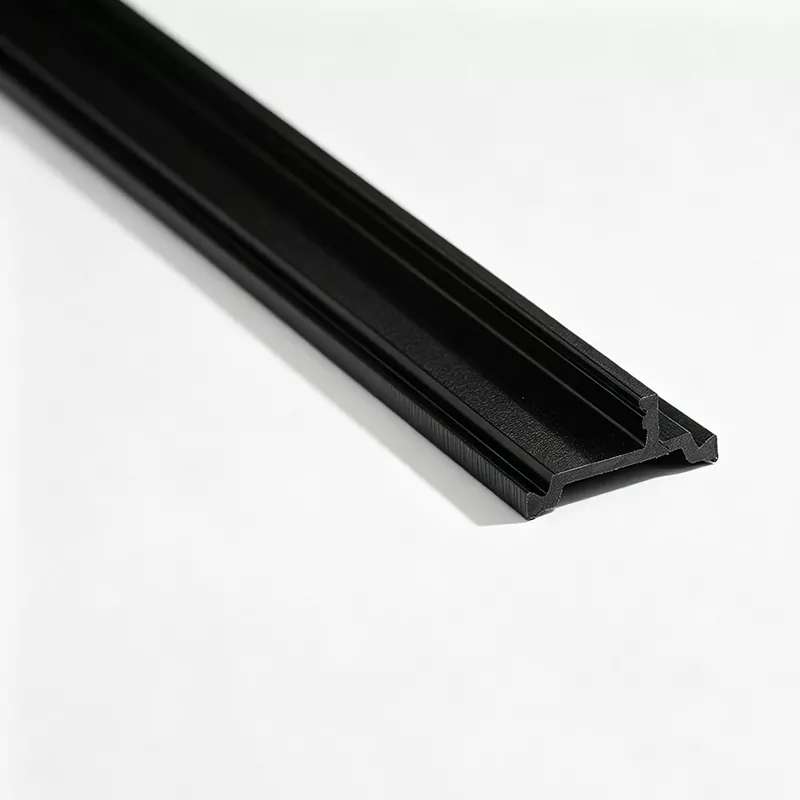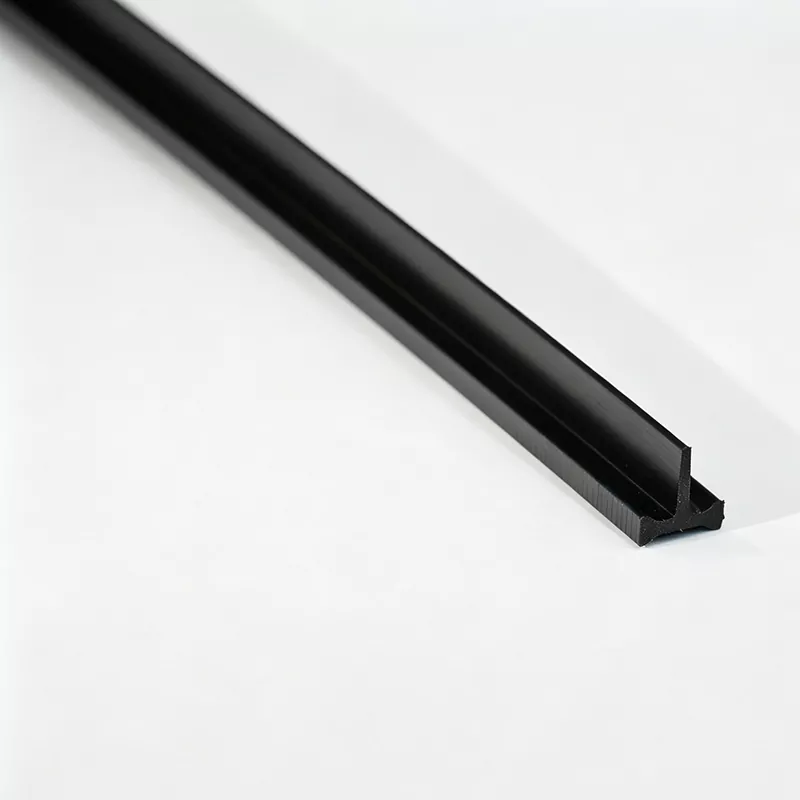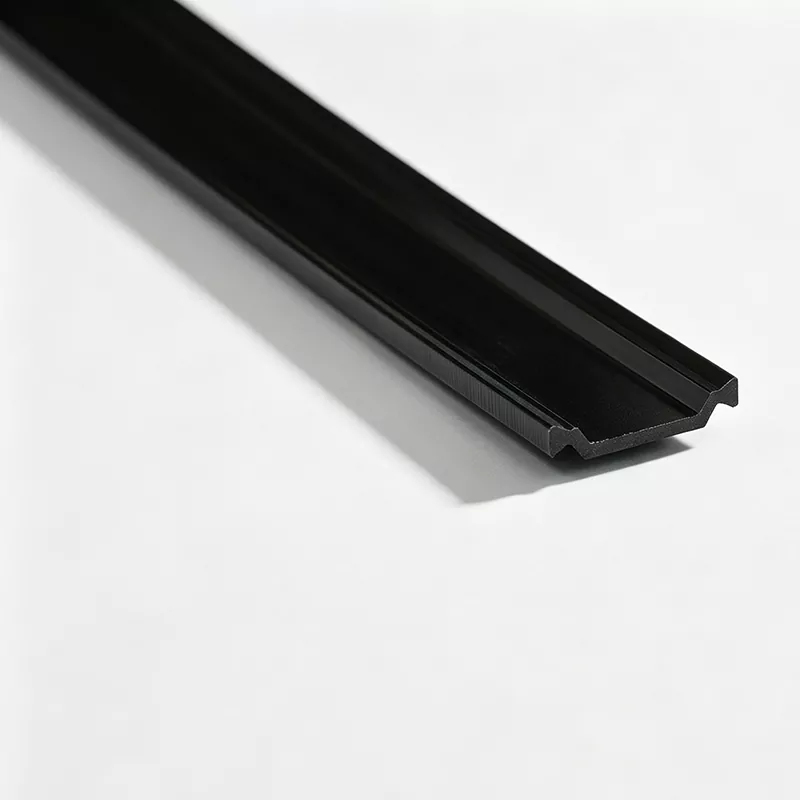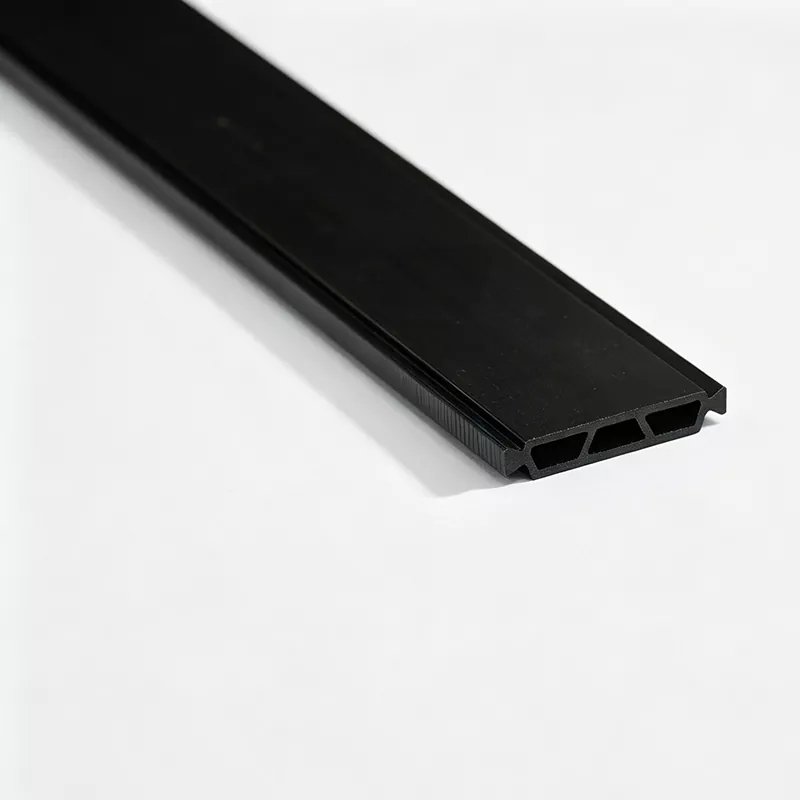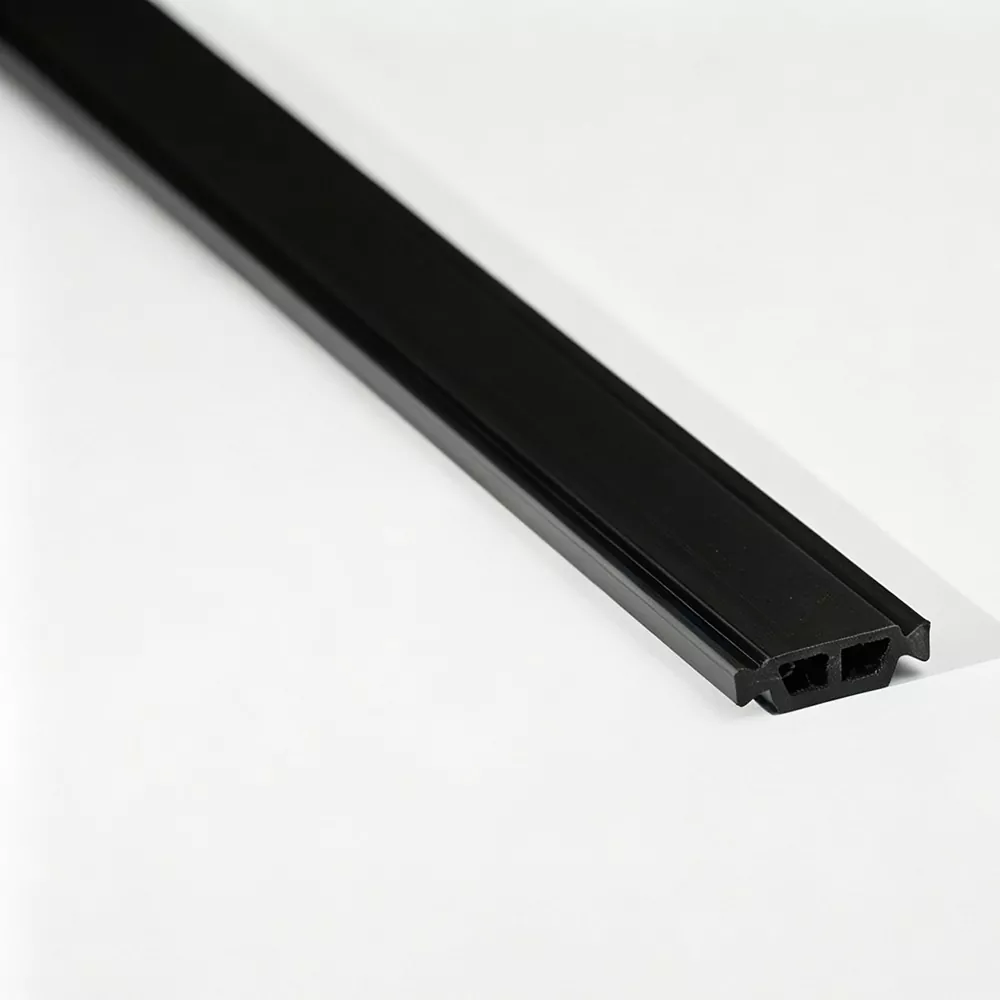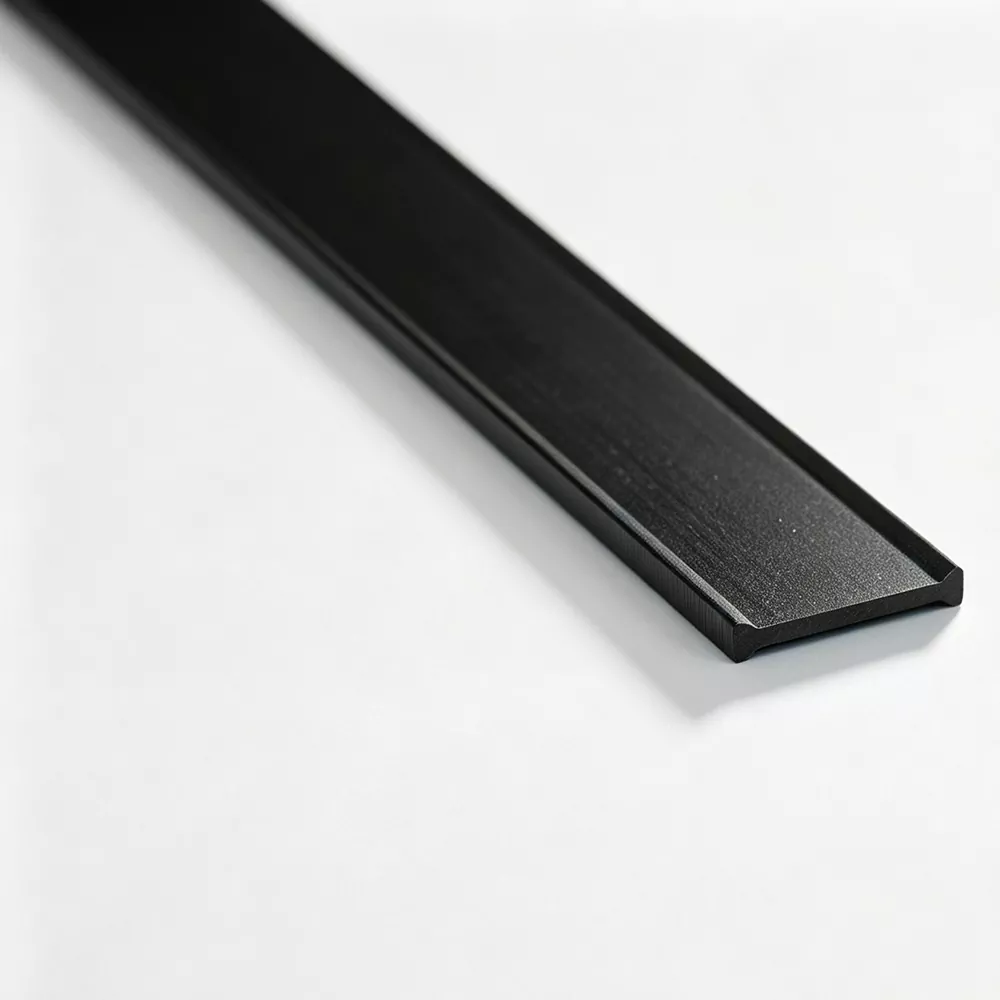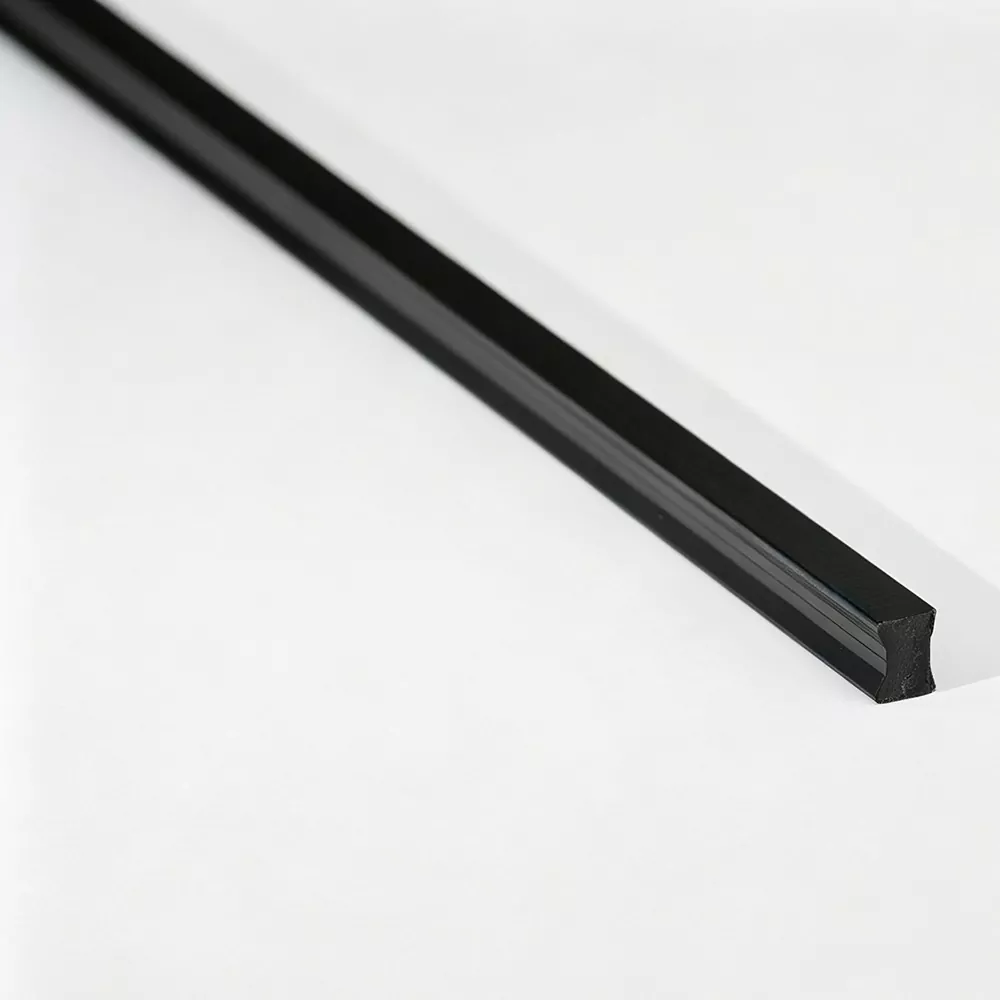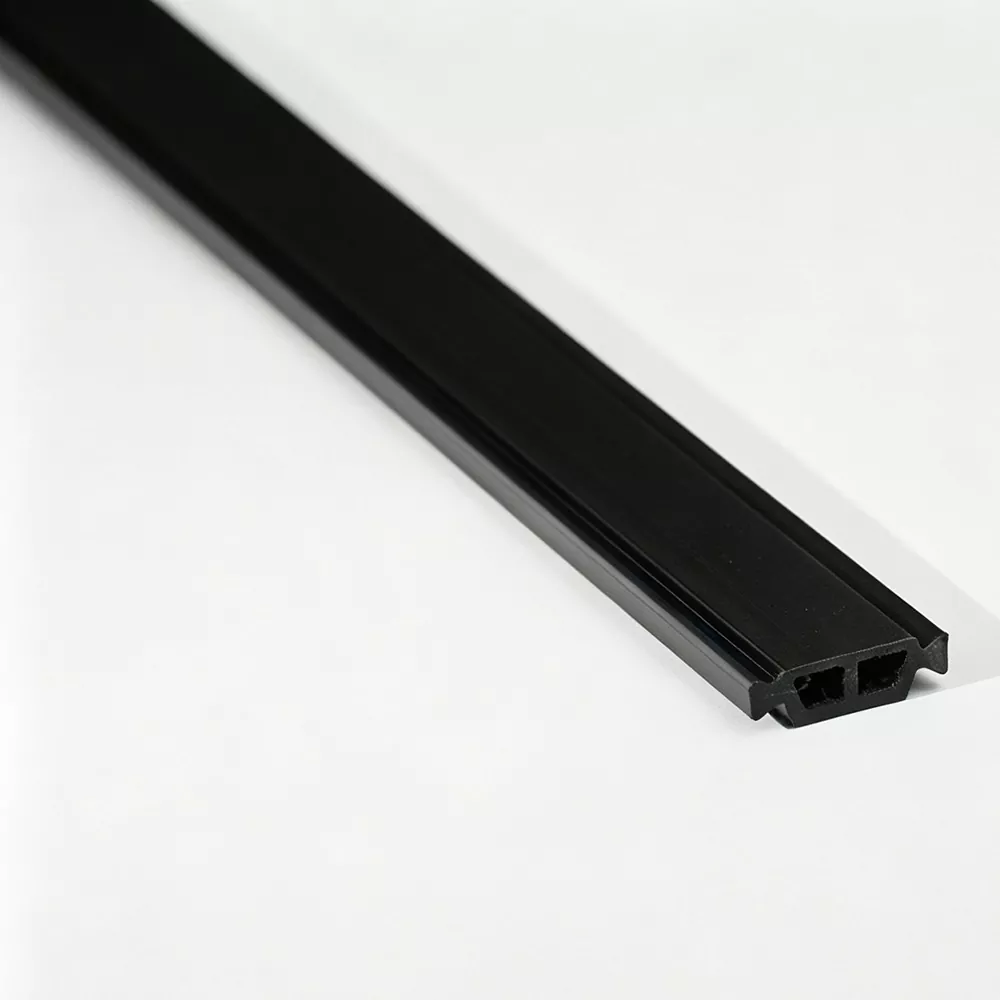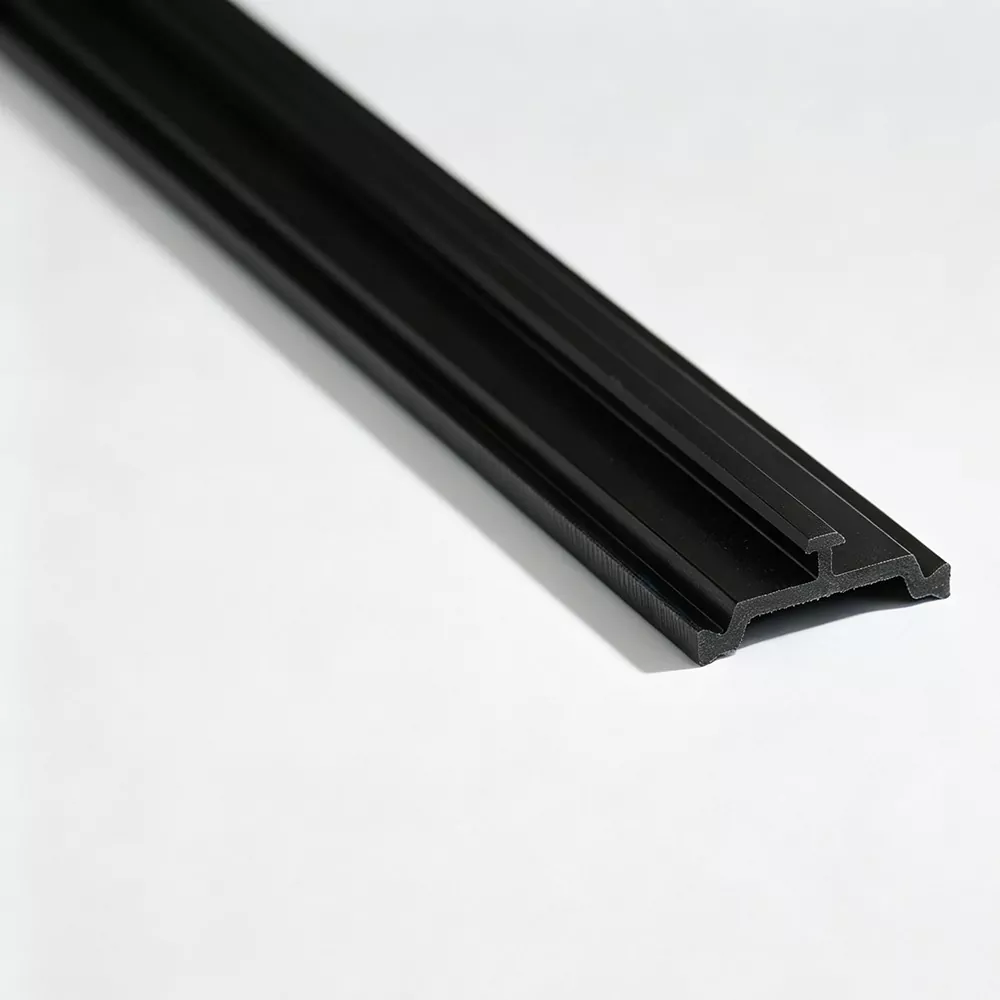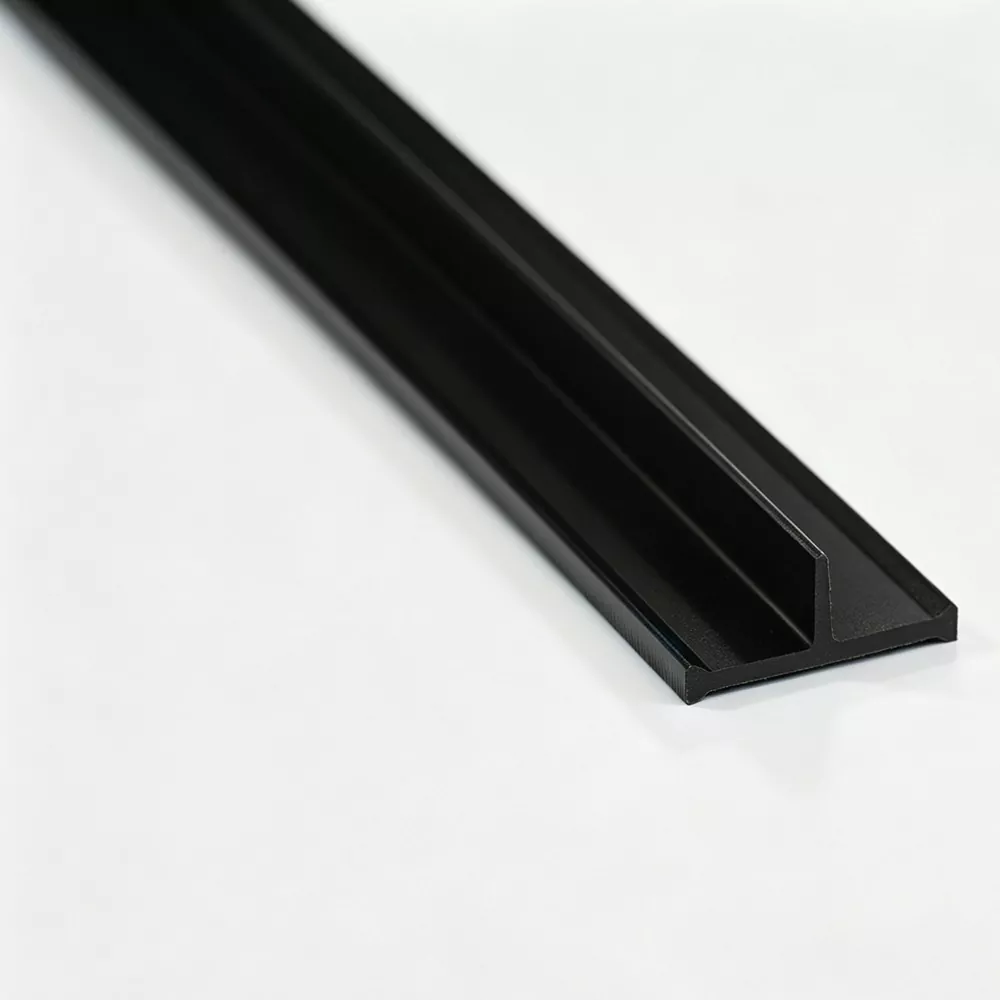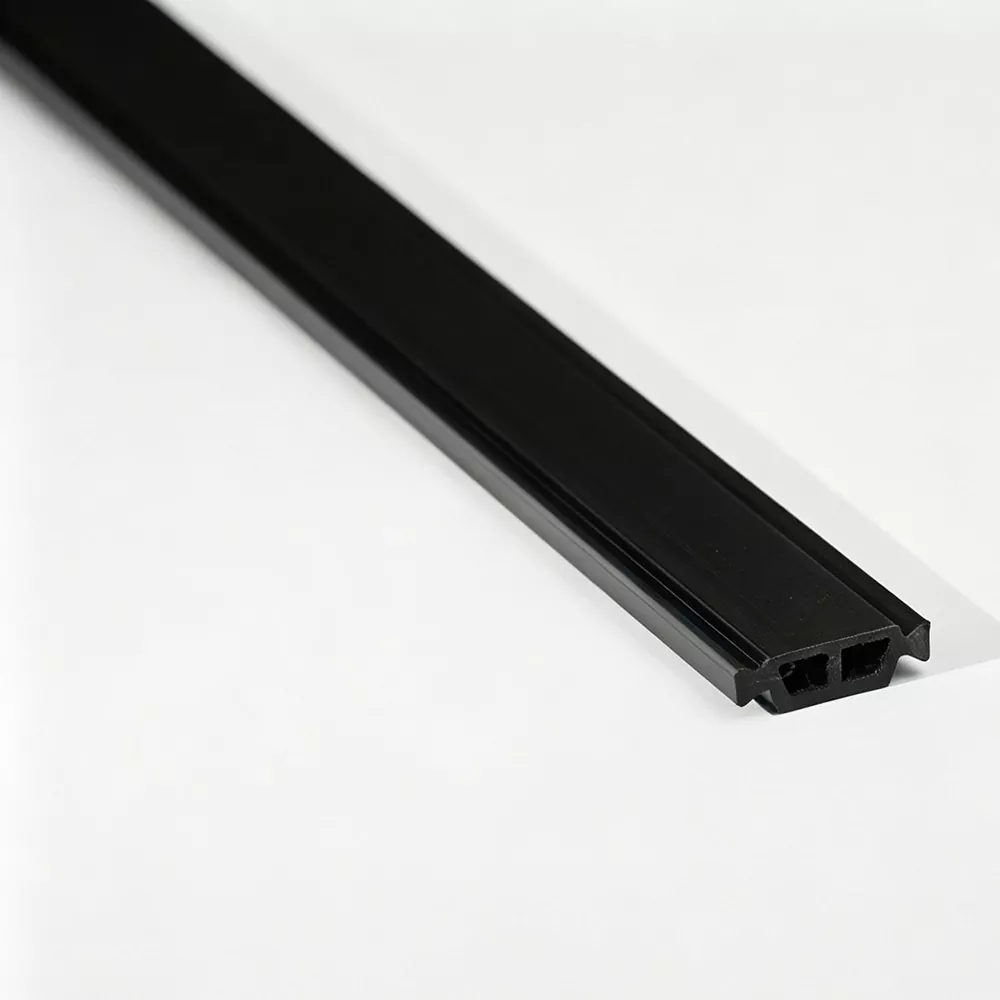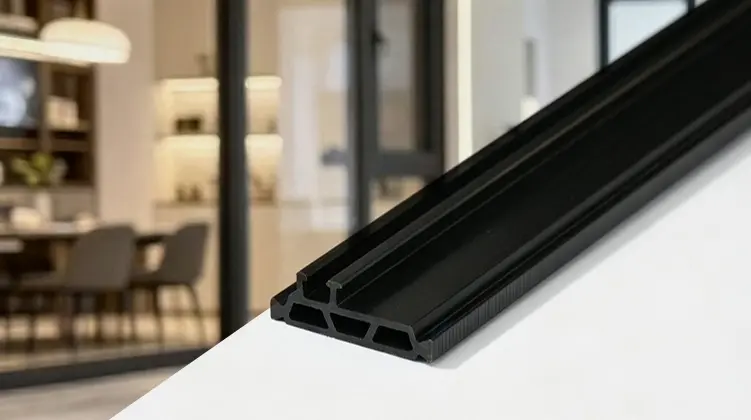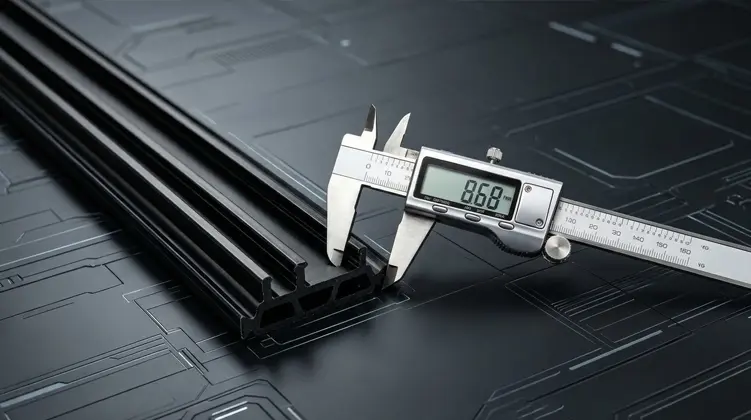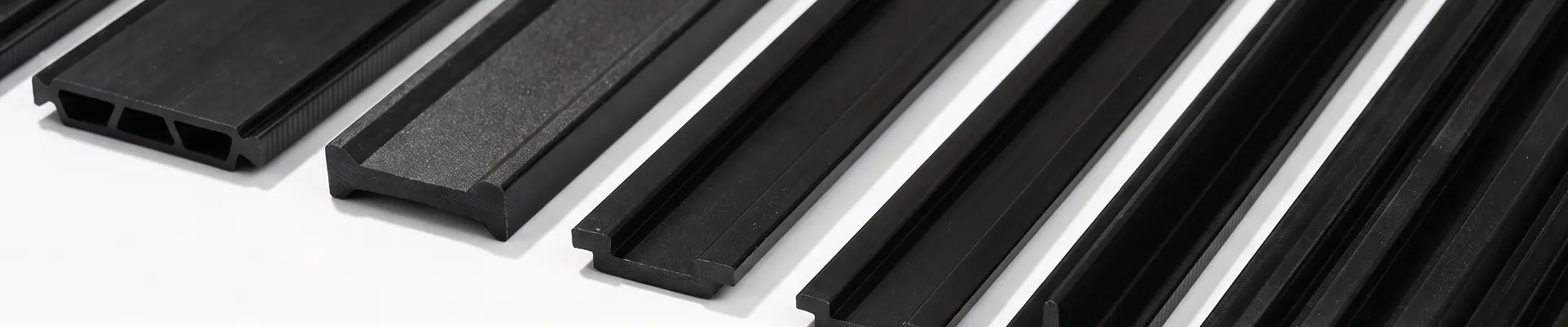
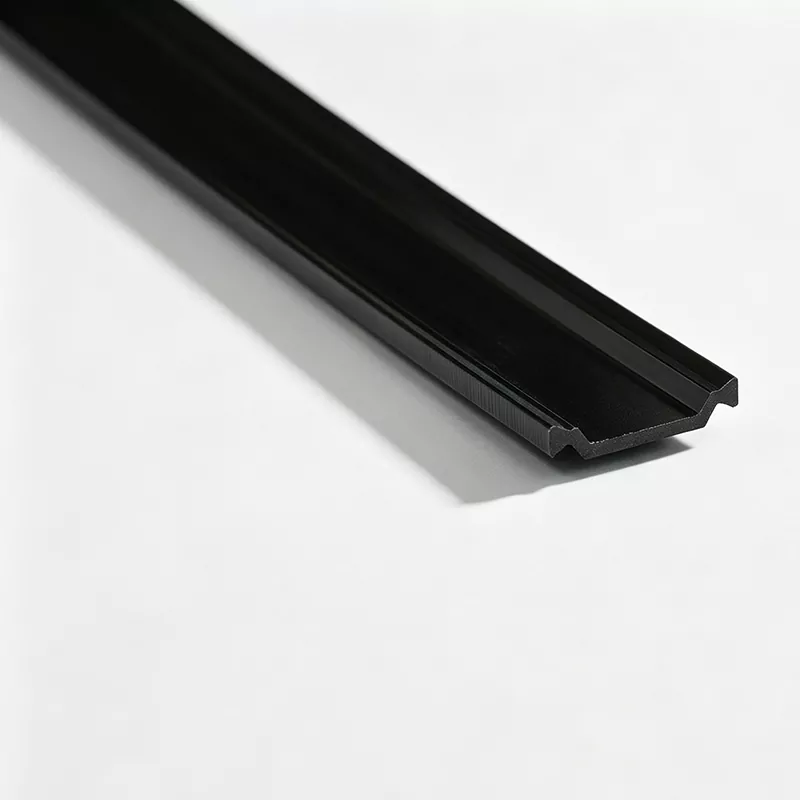
For aluminum profile manufacturers, the strip is available in 6-meter straight lengths or 500-meter coils. JInxing, a professional manufacturer in China, also produce non-standard C-Type Thermal Break Strip based on confirmed drawings, including changes to section dimensions, length, color, and other agreed production requirements.
A C-Type Thermal Break Strip is not selected by width or height alone. Its cross-section has to work with the corresponding aluminum profile geometry so that the strip can be correctly positioned during assembly and remain suitable for the subsequent processing operation.
This makes the relationship between the strip section and the aluminum profile more important than simply choosing a nominal C-type size.
For a new profile project, the aluminum section drawing can be used to review:
· receiving groove or retaining geometry
· strip width and height
· wall or lip dimensions
· required insertion position
· subsequent roller forming conditions
This section-based approach is particularly useful for non-standard aluminum profiles where a standard strip may not provide the required fit.
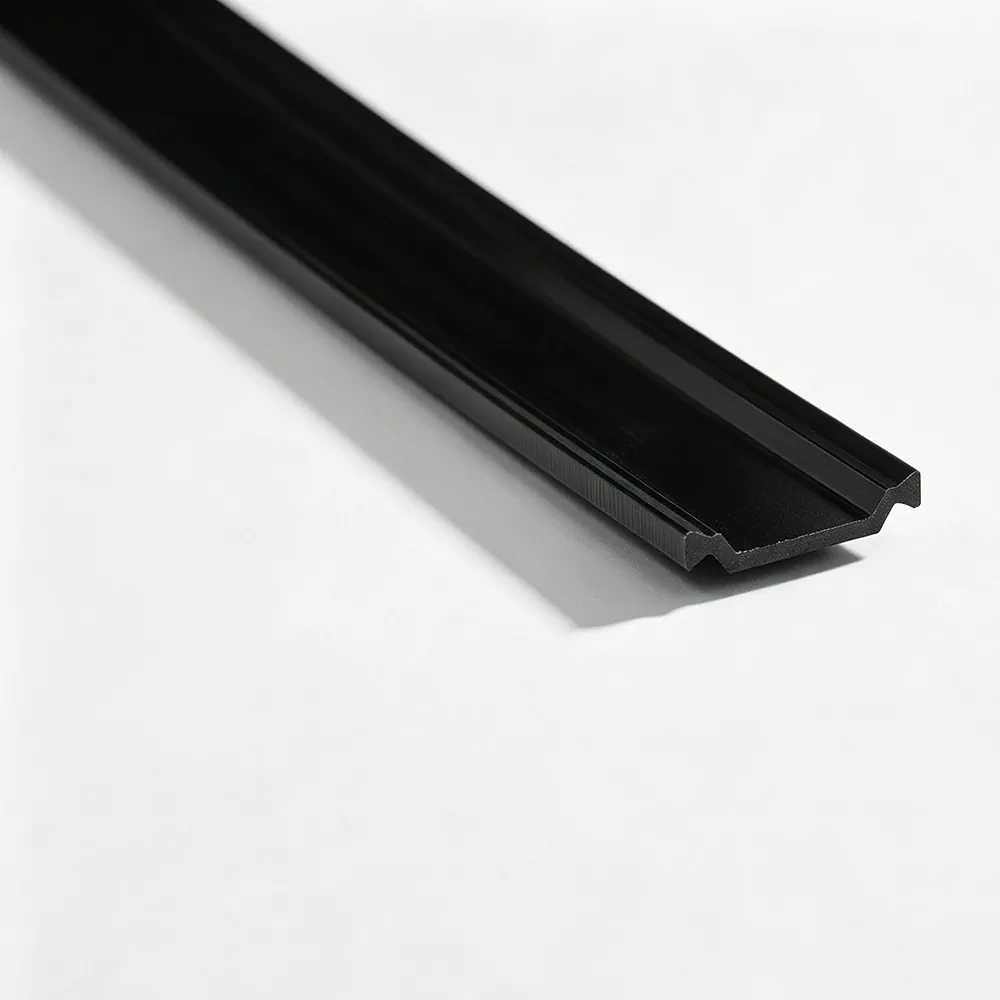
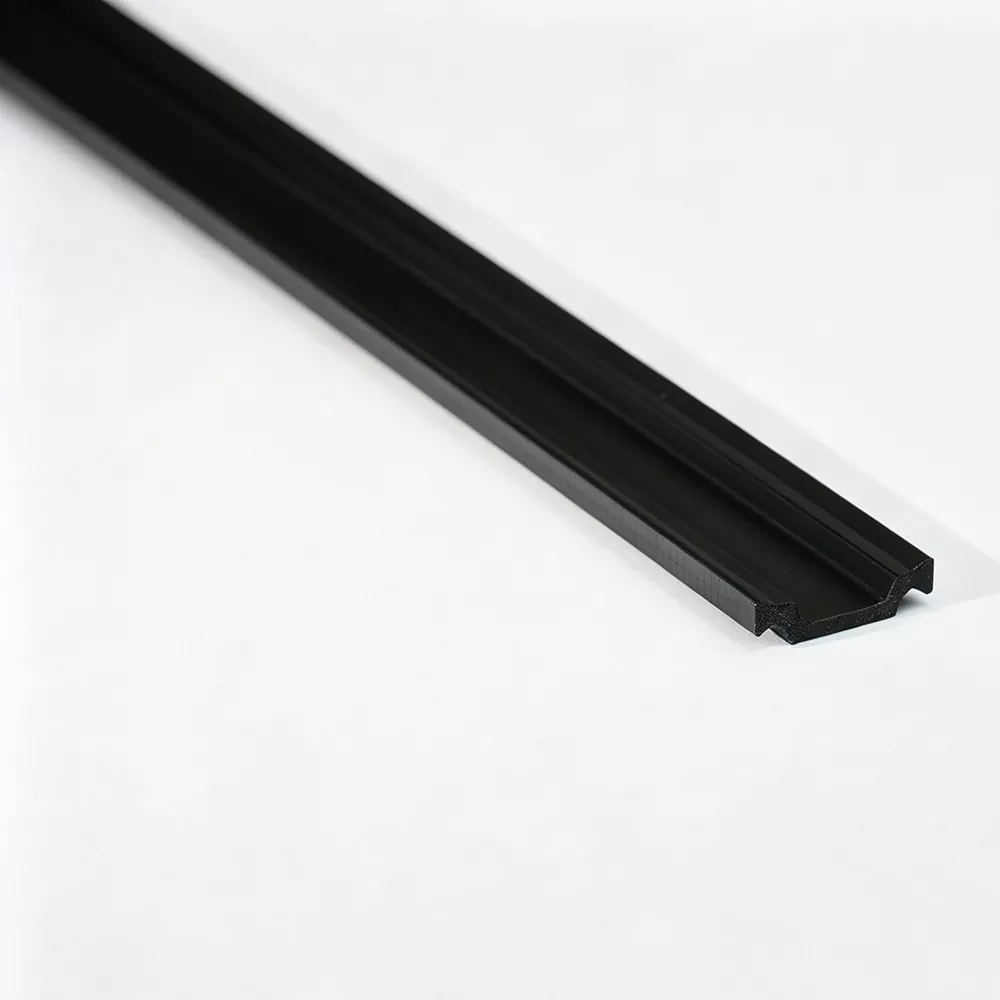
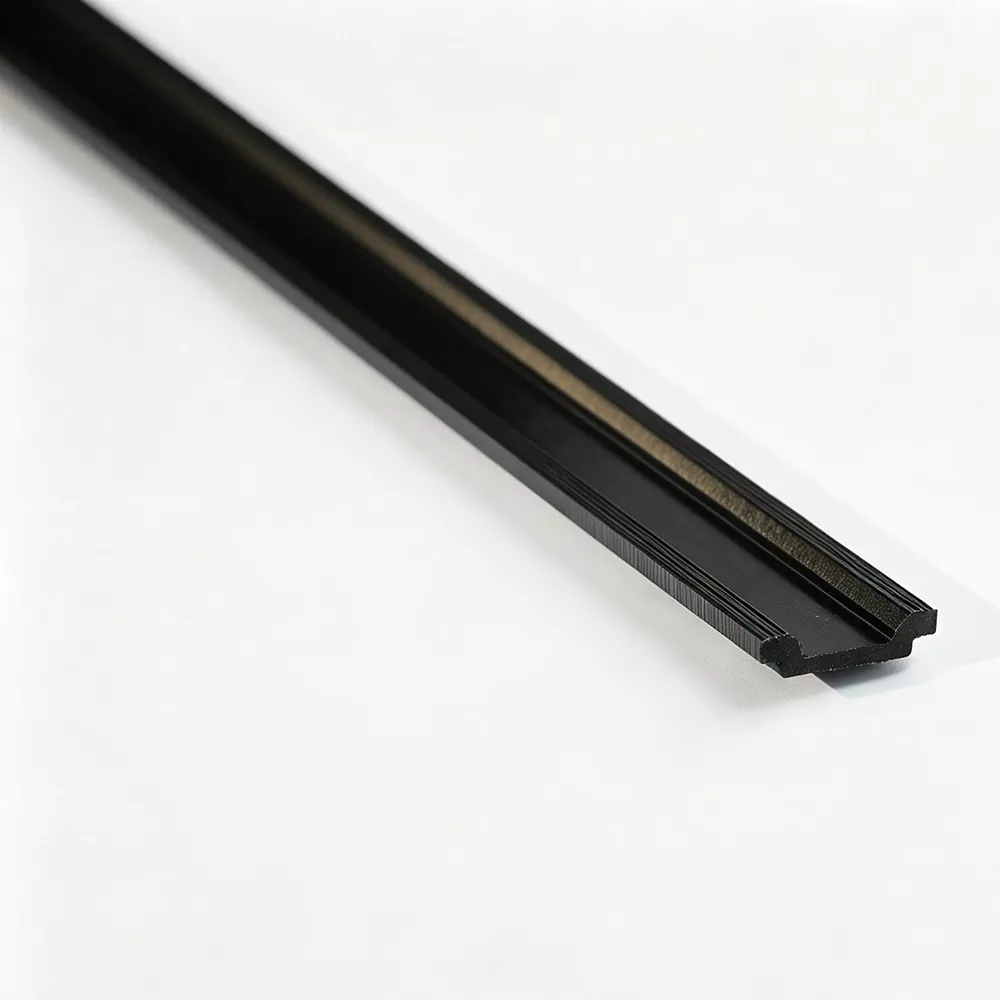
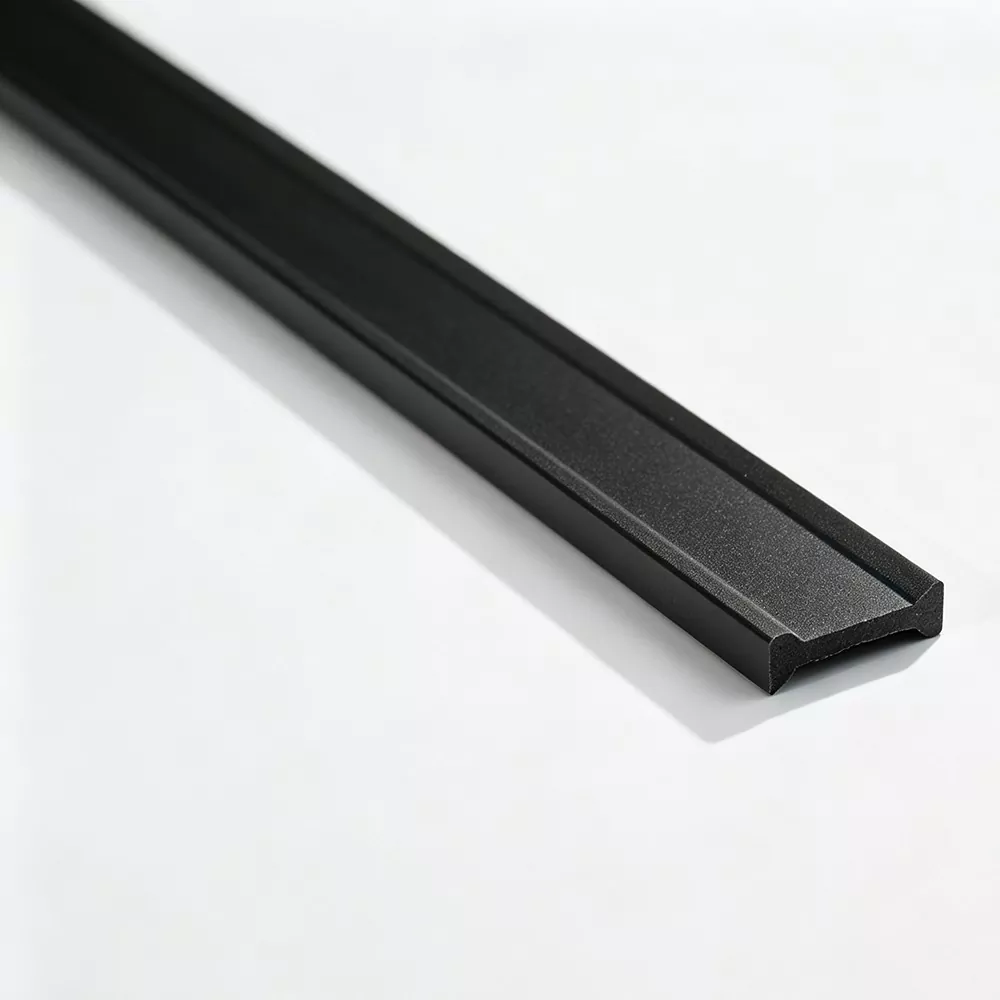
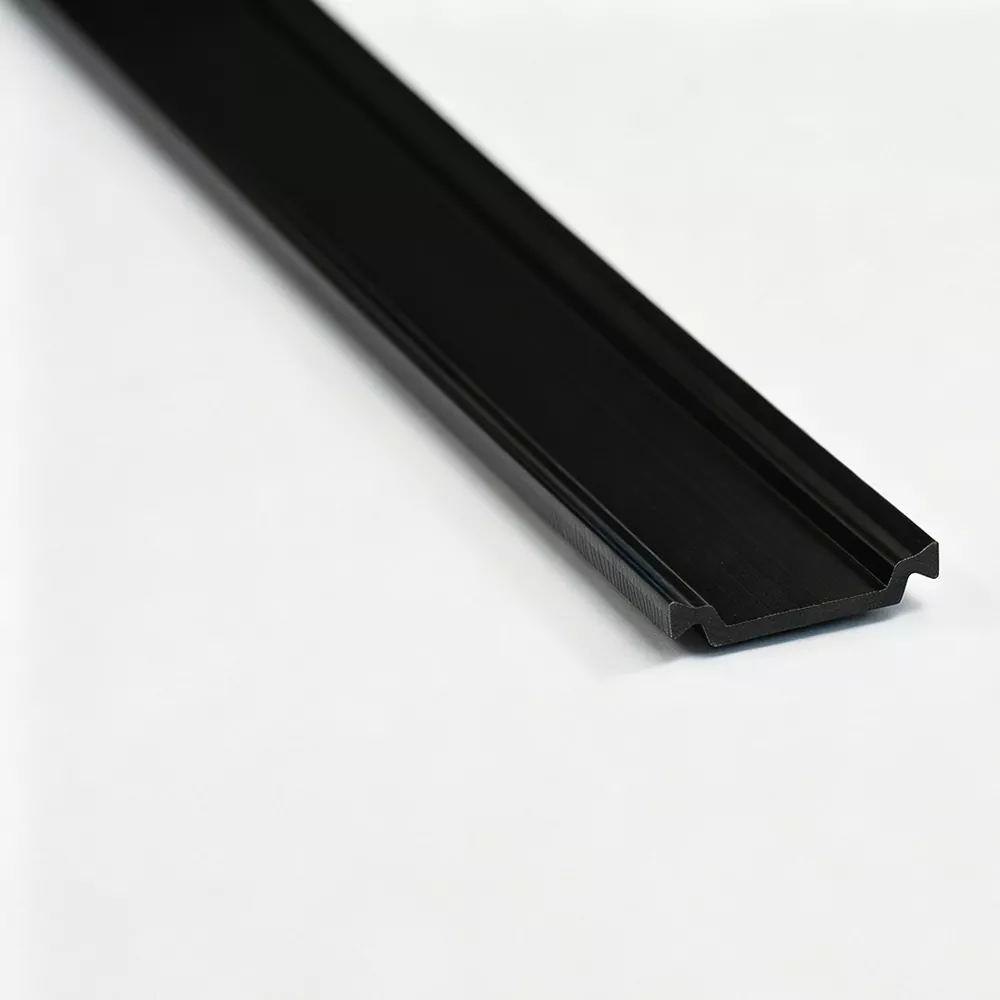
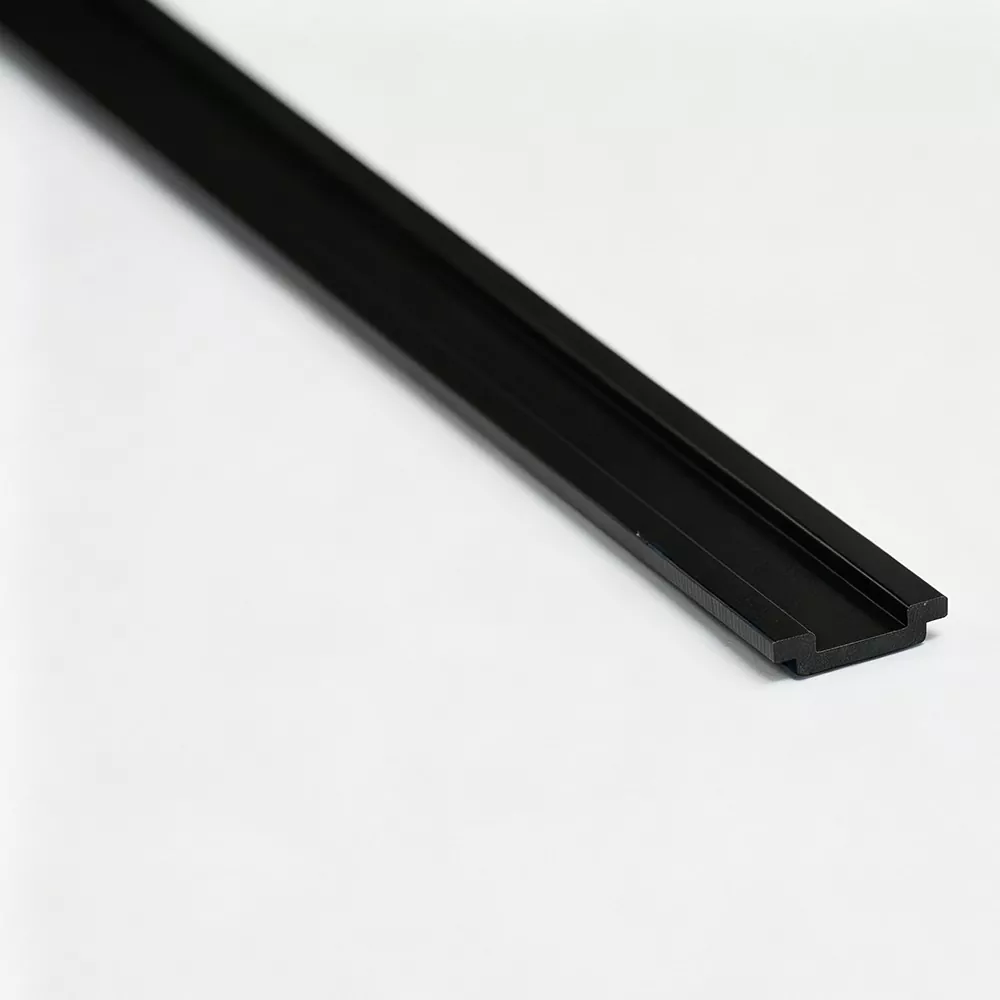
The C-type strip uses PA66 nylon reinforced with 25% glass fiber. The material combination provides the base material structure used in Jinxing thermal break strips for insulated aluminum profile systems.
During extrusion, the PA66 compound and glass fiber are processed into the required profile geometry. Cooling and sizing then stabilize the section before the strip moves to cutting or coiling.
The material system can be used for applications in:
· insulated aluminum doors and windows
· curtain wall aluminum profiles
· thermally separated aluminum systems
· profile production requiring C-type thermal break sections
The C-type strip is used within a sequence rather than as an isolated component:
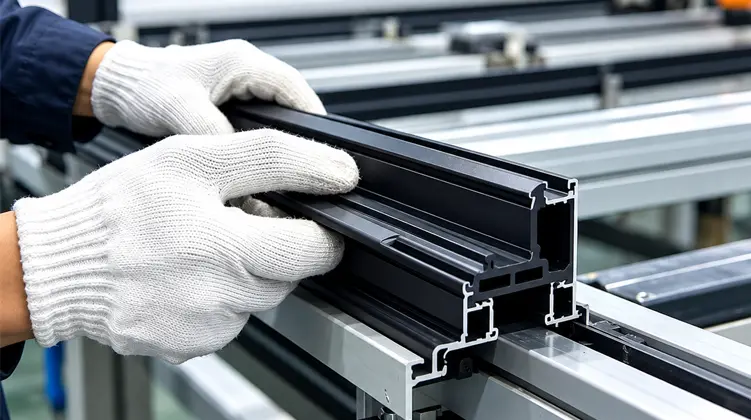
Aluminum Profile → C-Type Strip Insertion → Positioning → Roller Forming → Finished Thermal Break Profile
The actual processing conditions depend on the aluminum profile design and production equipment. For this reason, section matching should be confirmed before mass production instead of selecting the strip only by a catalog name.
The C-type section needs to enter and locate within the intended profile geometry without conflicting with the receiving section.
After insertion, the aluminum profile may undergo roller forming. The strip section therefore has to correspond to the profile design and the specified processing conditions.
The completed profile depends on the relationship between the aluminum sections and the insulating strip. Consistent section geometry is therefore important for repeated profile assembly.
Jinxing produces C-type thermal break strips through continuous extrusion rather than machining the profile from a solid block.
PA66 nylon and GF25 glass fiber are prepared according to the production formulation, with incoming materials checked as part of the material-control process.
A parallel twin-screw extrusion system plasticizes and mixes the material before forming the selected C-type section through dedicated tooling.
The newly formed profile is cooled and sized to stabilize its geometry. Process parameters such as extrusion temperature, pulling speed, and cooling conditions are controlled during production.
Cross-sectional dimensions and surface condition are checked during production. Finished material can then be cut to the required length or supplied in coil form.
C-type strips can be incorporated into thermally insulated aluminum door and window profiles where the profile design includes a corresponding receiving structure.
Used in curtain wall aluminum systems where the insulating strip must follow the geometry of the specific profile section.
Non-standard C-type sections can be developed for aluminum profiles whose groove dimensions or retaining structures do not correspond to standard strip sizes.
The strip can be supplied in straight or coil form according to the profile manufacturer's insertion and forming process.
Not every aluminum profile uses a standard C-type section. For projects with a special receiving geometry, Jinxing can review the customer's drawing before production.
The review may cover:
· C-type section dimensions
· aluminum profile groove geometry
· required length
· color
· packaging
· processing conditions
Where the specification is confirmed as feasible, tooling and production can be arranged based on the drawing.
Jinxing controls material preparation, extrusion, cooling, sizing, inspection, and final processing within its manufacturing system.
Incoming PA66 and glass fiber materials are checked according to the company's material-control procedures. During extrusion, dimensional and surface conditions are monitored to maintain the required C-type geometry.
According to the applicable product and testing requirements, laboratory evaluation can include density, Shore hardness, longitudinal and transverse tensile strength, water resistance, thermal aging, and coefficient of linear expansion.
Finished strips are inspected before shipment, with relevant inspection documentation provided according to the agreed order requirements.
We evaluate the thermal break strip together with the aluminum profile section, which is particularly important for non-standard C-type geometries.
Extrusion, cooling, sizing, and finishing are handled within our own production system, allowing the C-type section to be controlled throughout the manufacturing process.
The same product type can be supplied in different formats to suit the buyer's profile processing setup.
For a special C-type section, we can work from the customer's drawing through tooling confirmation and production.
The main difference is the cross-sectional geometry and the way it corresponds to the aluminum profile. A C-type strip is intended for a profile system with a matching receiving or retaining structure, so the actual section drawing is important when selecting the product.
A drawing is strongly recommended for non-standard sections. It allows the strip geometry to be checked against the actual profile before tooling and production.
Yes. Jinxing can review non-standard C-type sections based on customer drawings and confirm the required tooling and production conditions.
Yes. Standard coil supply is 500 meters per roll. 6-meter straight strips are also available.
Yes. Cut-to-length processing can be arranged according to the confirmed order requirements.
The most useful information includes the aluminum profile drawing, required C-type section dimensions, length, color, supply form, packaging requirements, and relevant processing conditions.
Address
Taozhou Town, Guangde City, Xuancheng City, Anhui Province, China
Tel