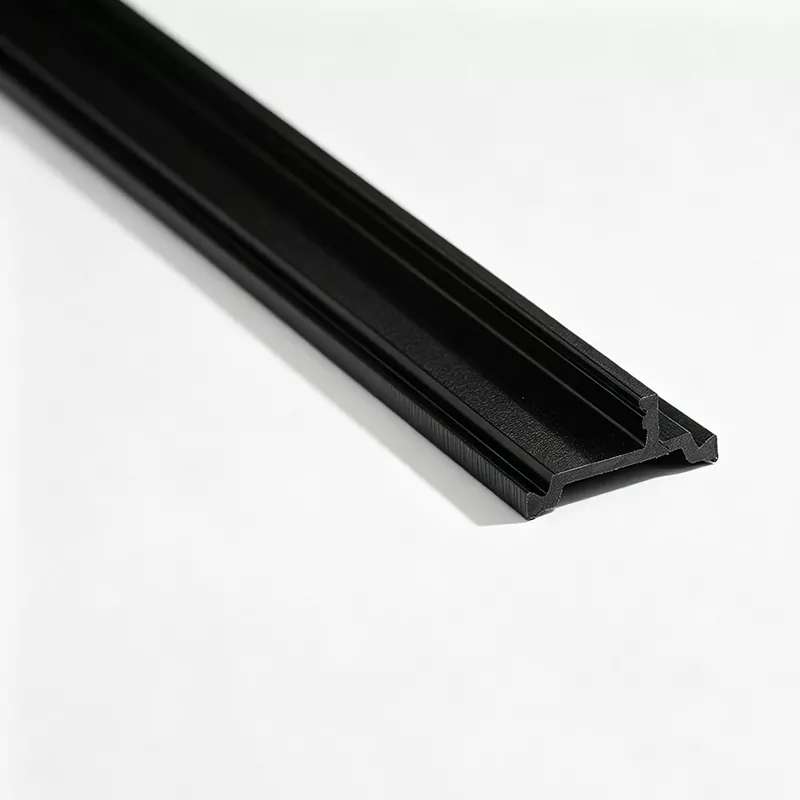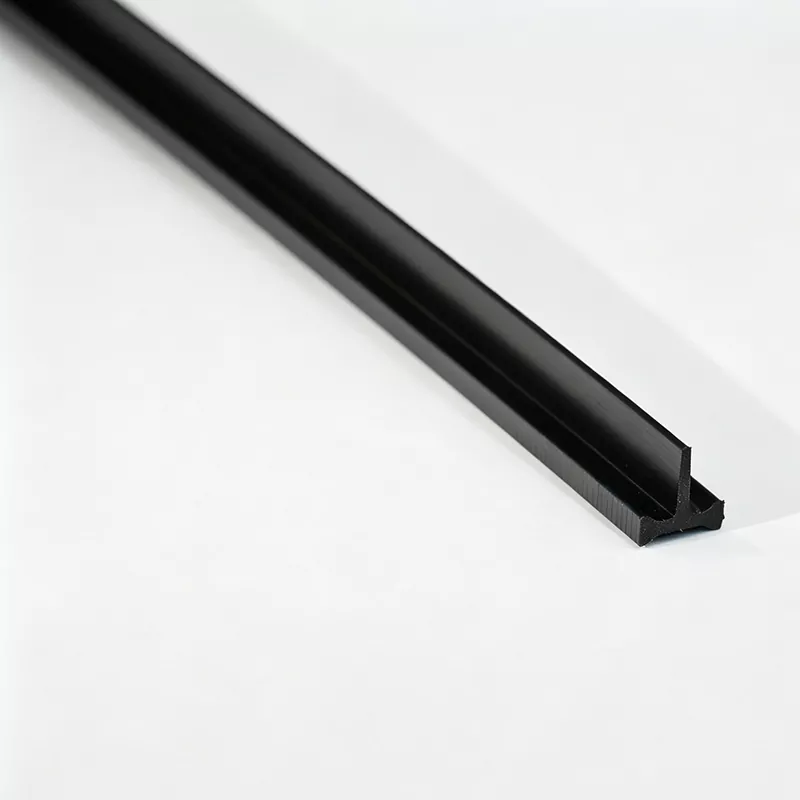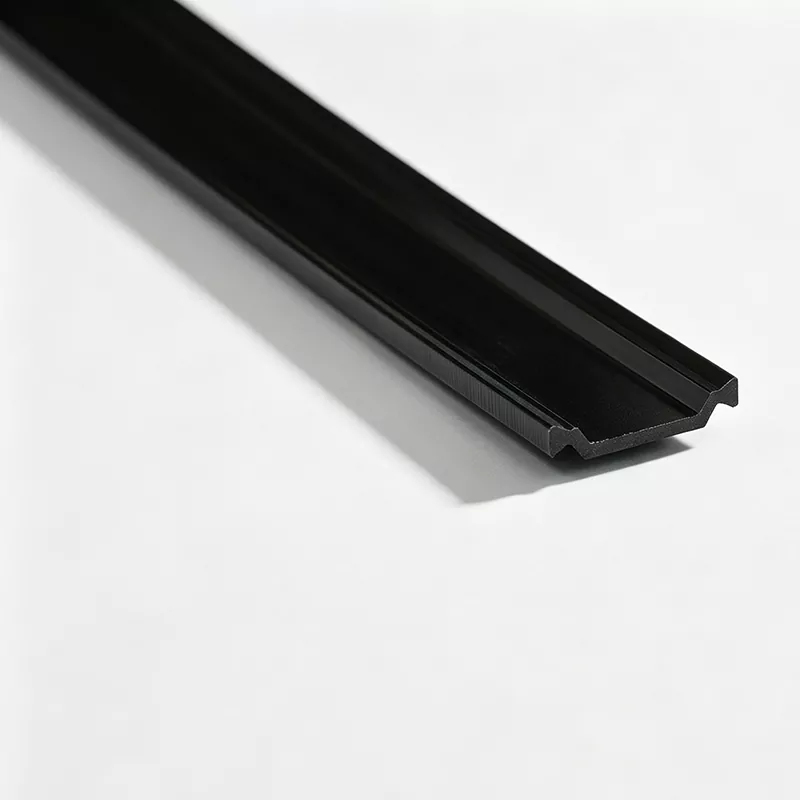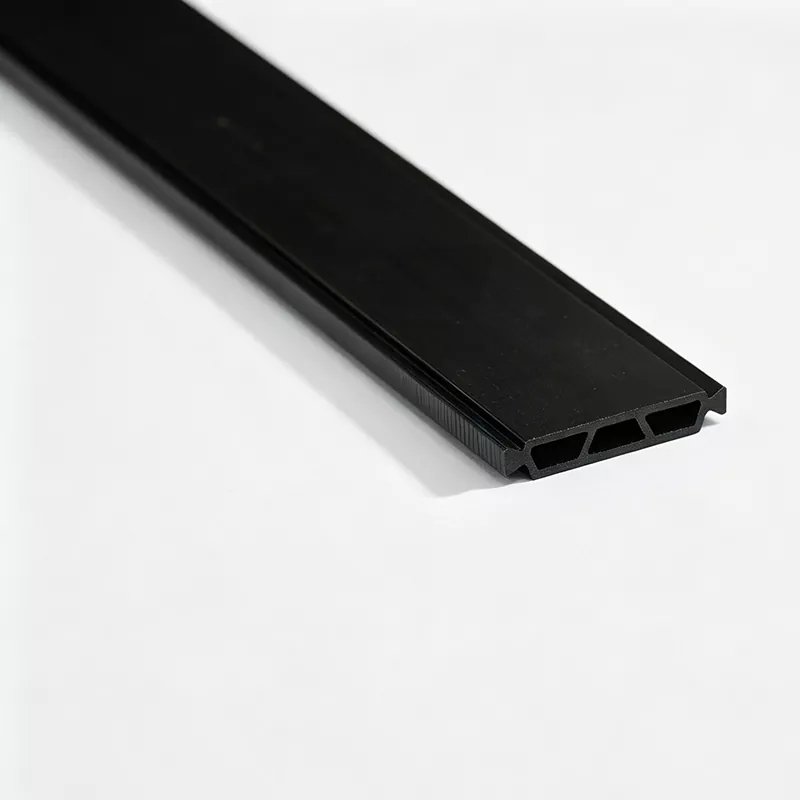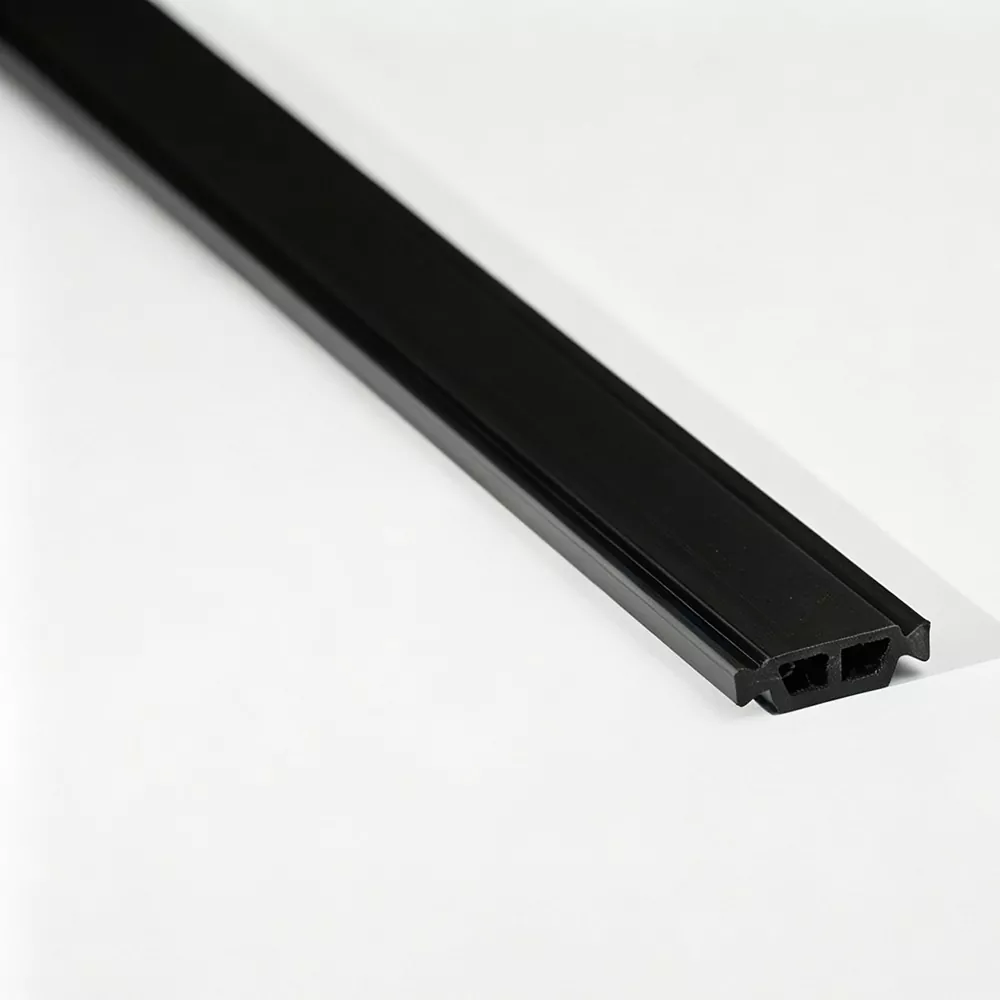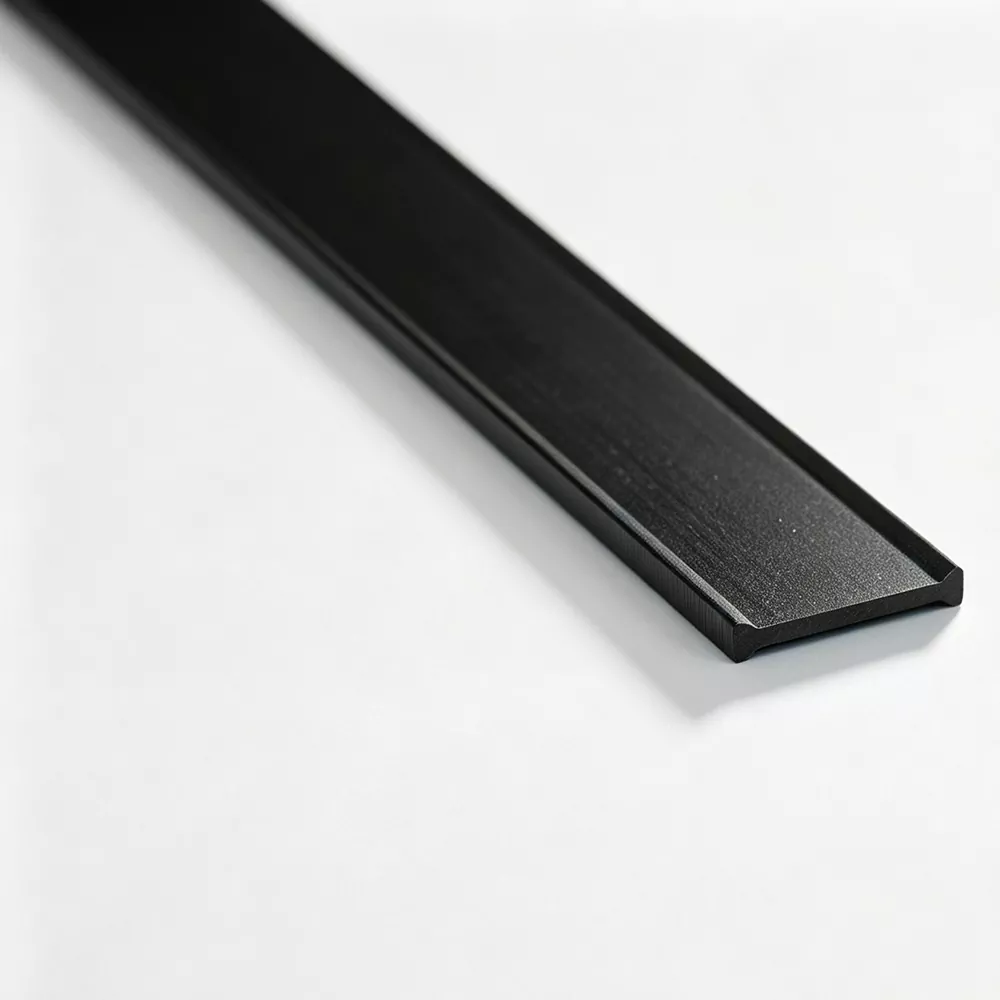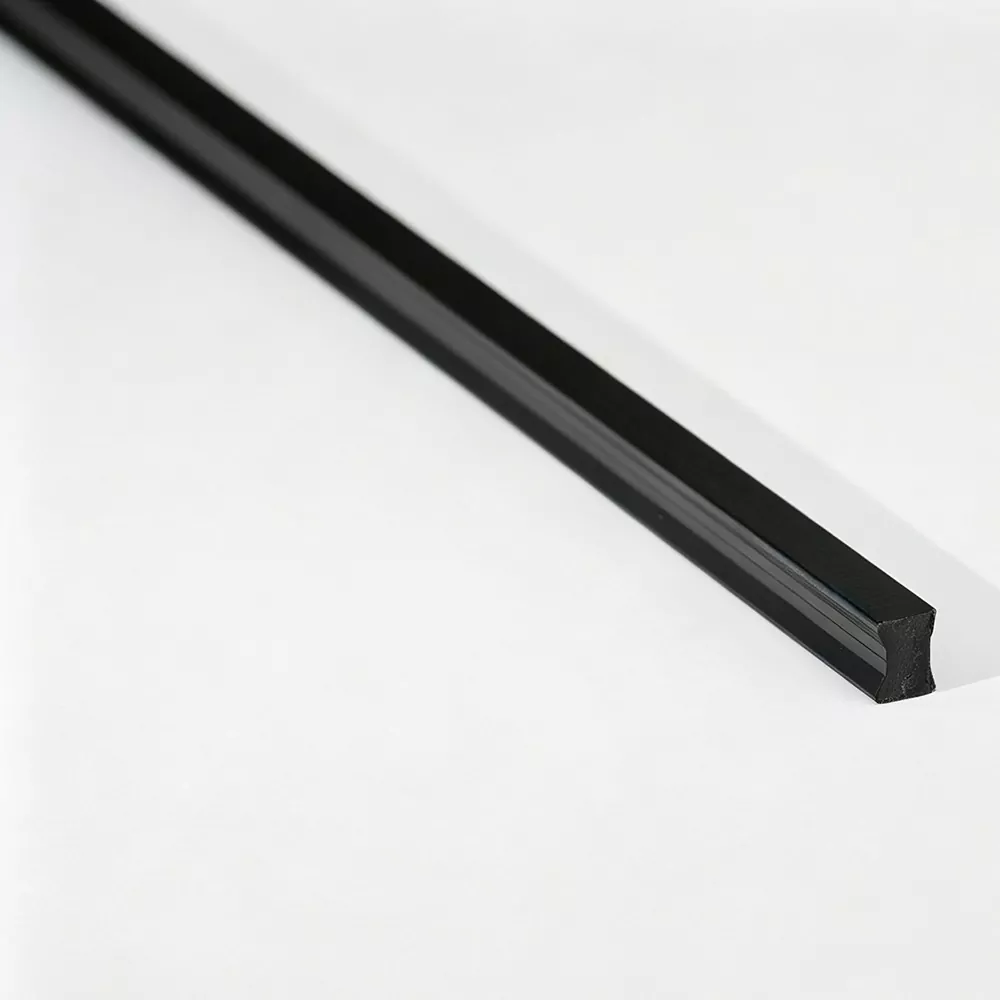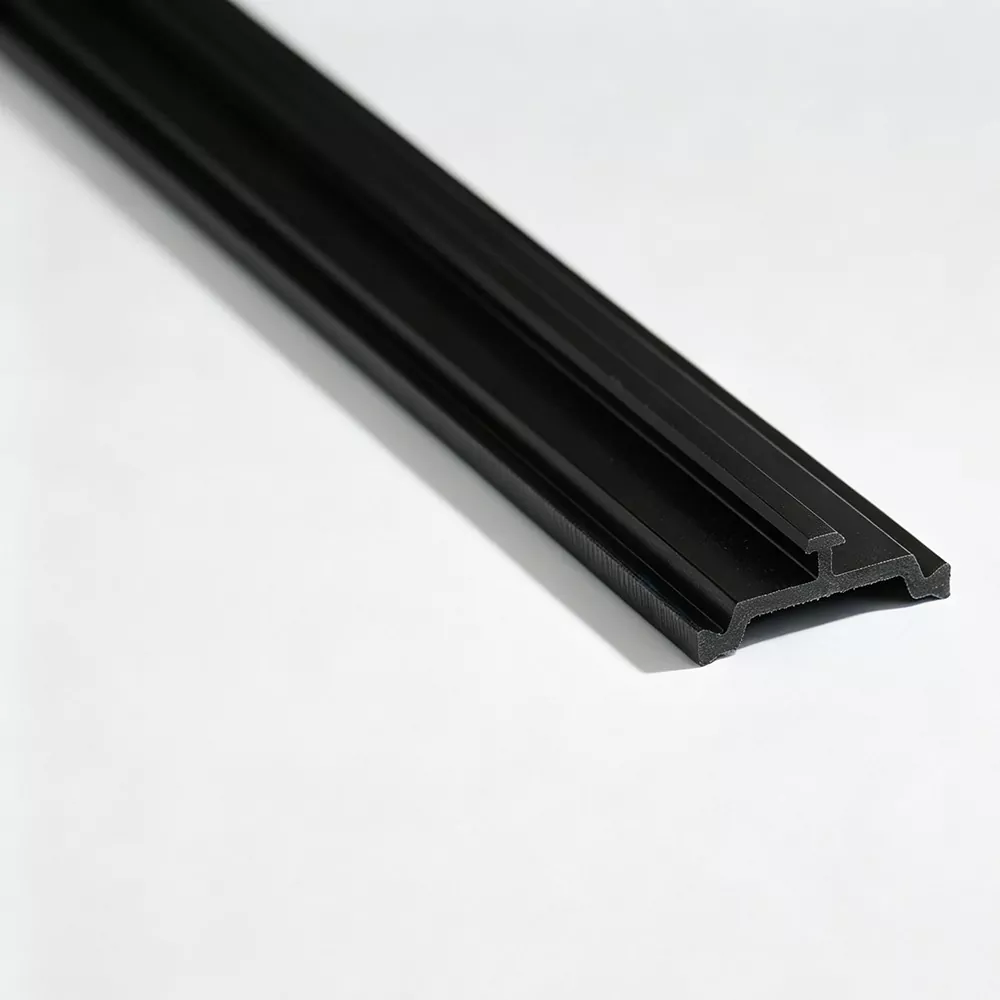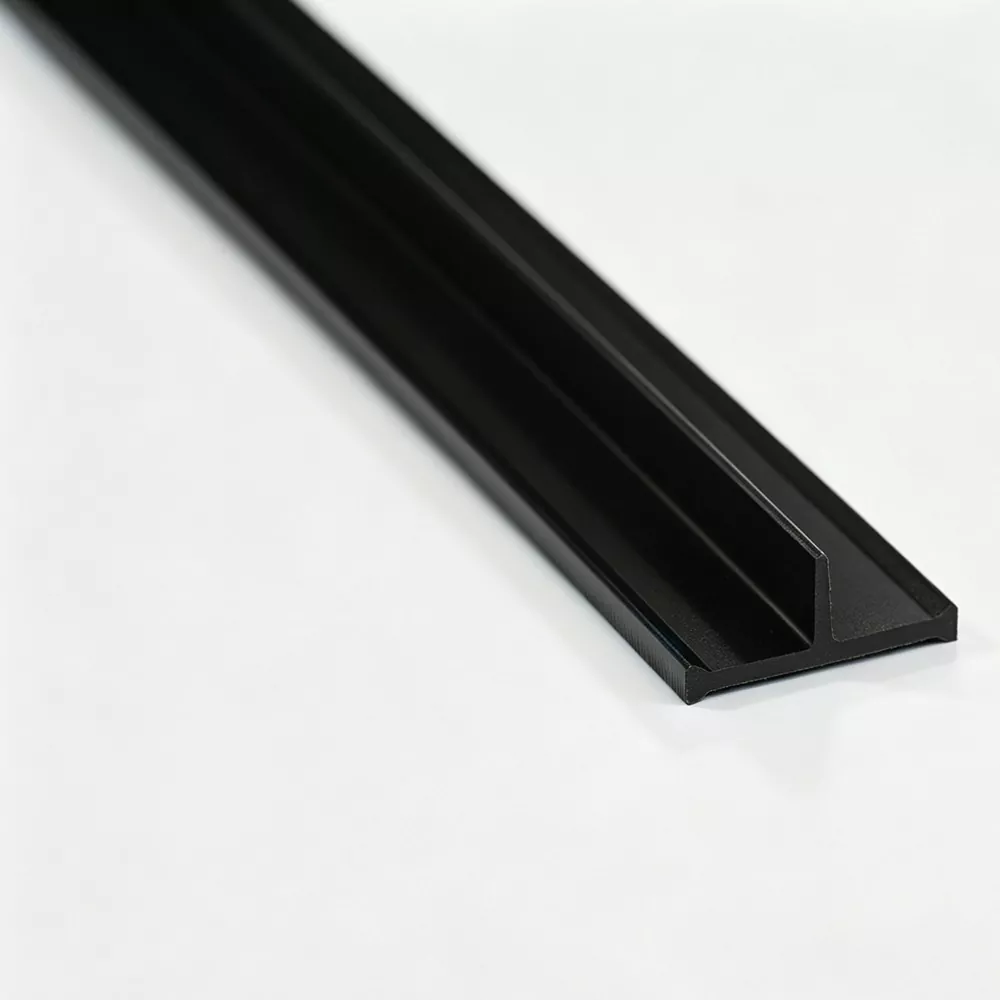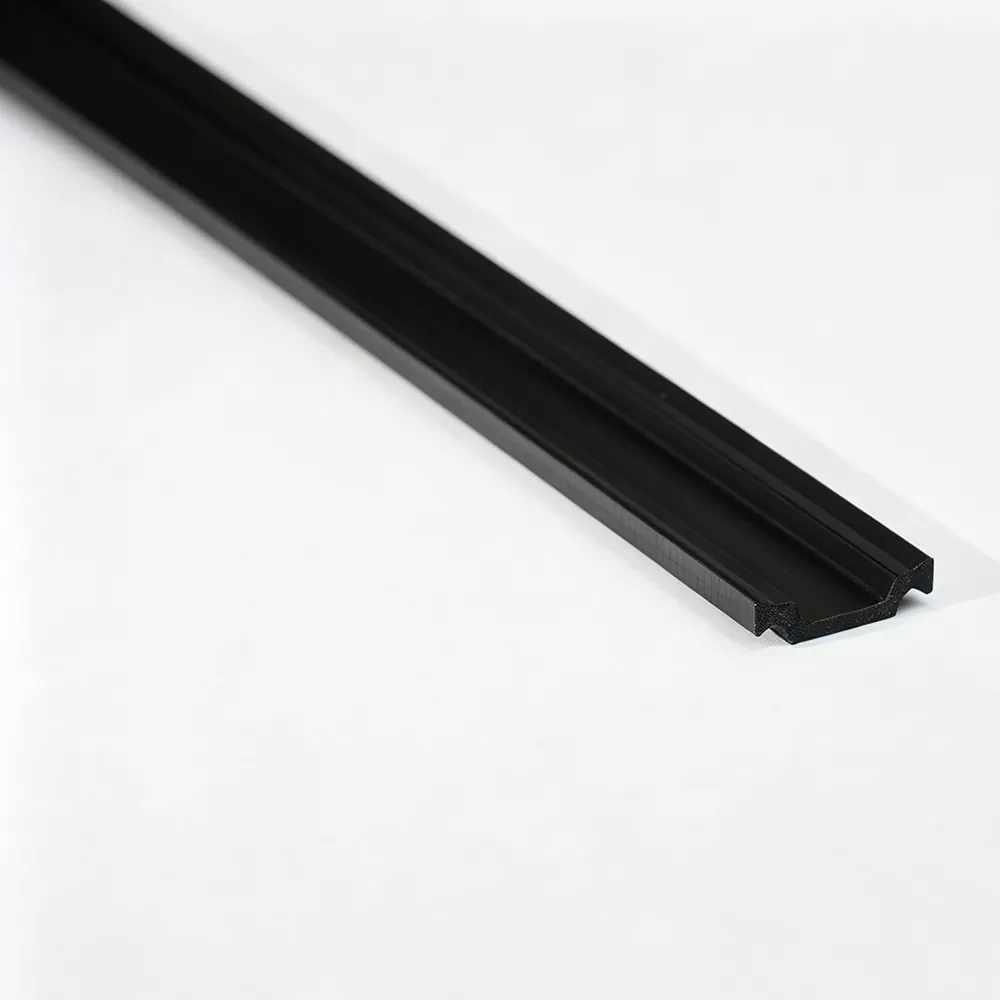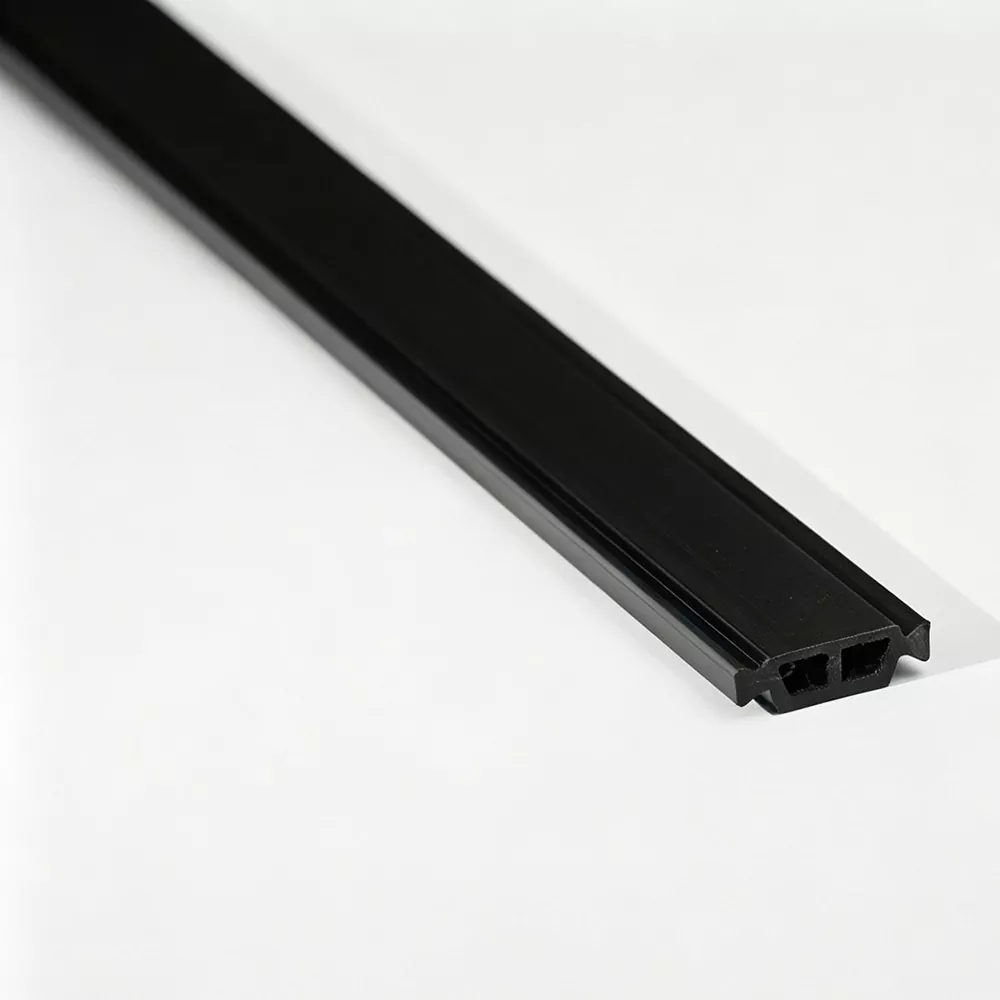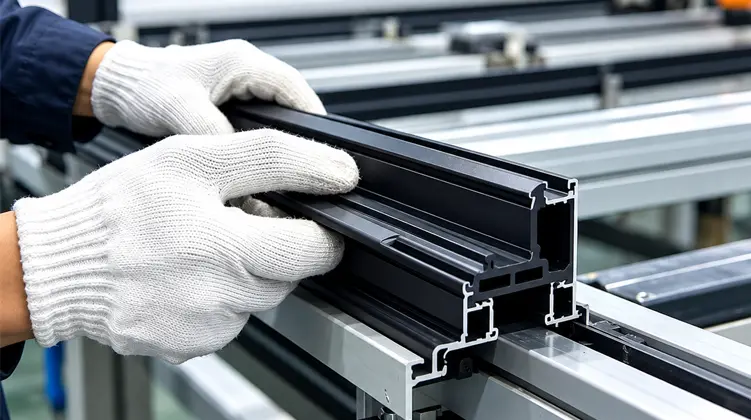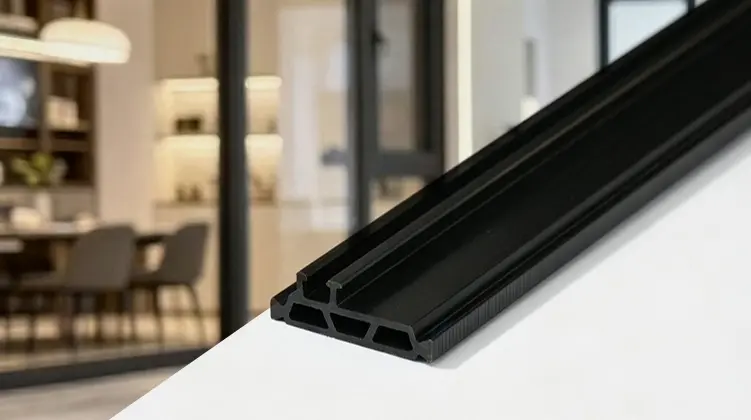
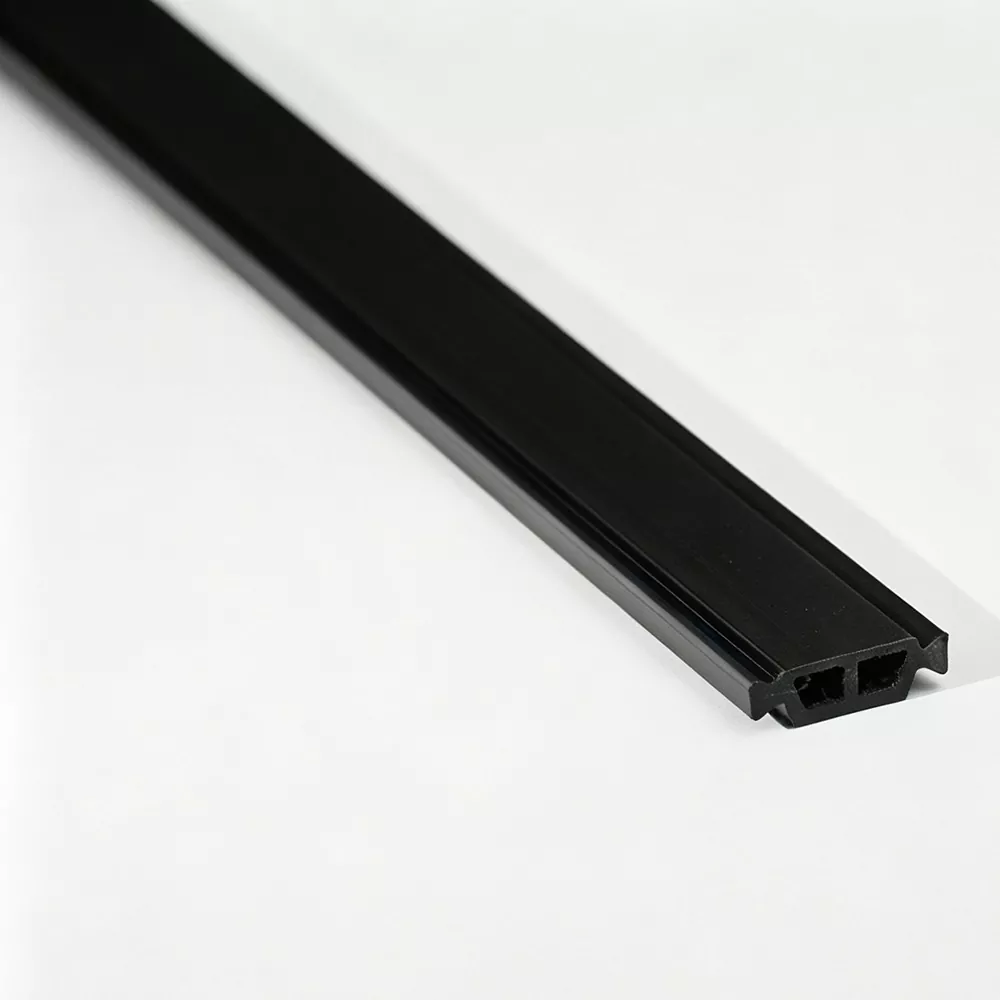
In an aluminum casement window, the frame and sash are connected through hinges and open by pivoting rather than sliding along a track. The Thermal Break Strip for Casement Windows is positioned within the thermally separated aluminum profile to interrupt the continuous metal path between the exterior and interior sections.
Jinxing, a China manufacturer and factory, produces these strips primarily with PA66 GF25 and can adapt the cross-section to different casement window extrusions.
Casement window systems commonly contain separate frame and sash profiles, and their cross-sections are not necessarily interchangeable.
The thermal break strip needs to correspond to the specific extrusion in terms of:
· Groove dimensions
· Strip insertion depth
· Locking geometry
· Profile width and thickness
· Position of the thermal separation
· Available space around hardware and seals
For a new system, matching the strip to the aluminum profile drawing is recommended before tooling and production.
The Thermal Break Strip for Casement Windows uses PA66 with 25% glass fiber reinforcement to provide the rigidity and mechanical strength required within the aluminum profile.
The section can be designed around the groove and mechanical connection method used by the casement window extrusion.
Controlled extrusion and calibration help maintain the critical dimensions needed for stable profile assembly.
Different strip sections can be developed for fixed frame profiles and opening sash profiles according to their individual extrusion structures.
Relevant properties such as tensile strength, hardness, thermal aging, and dimensional behavior can be evaluated according to the specified requirements.
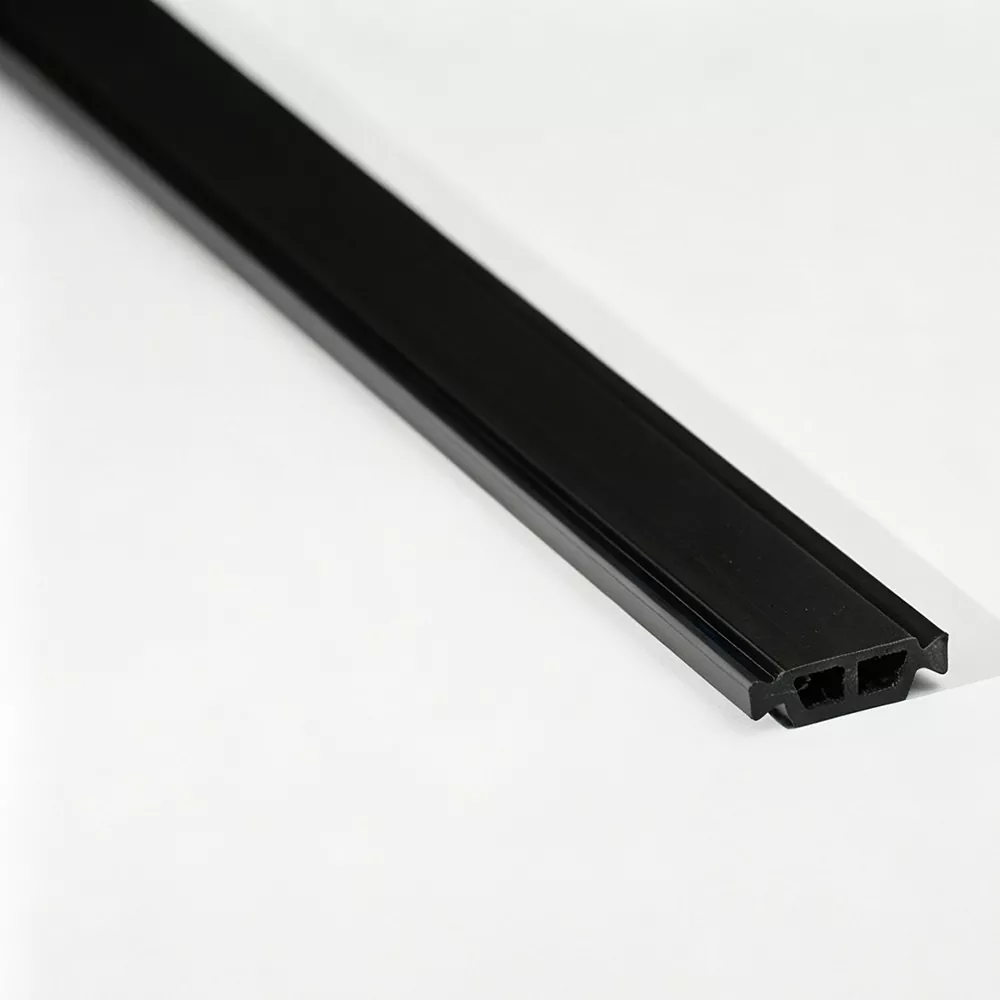
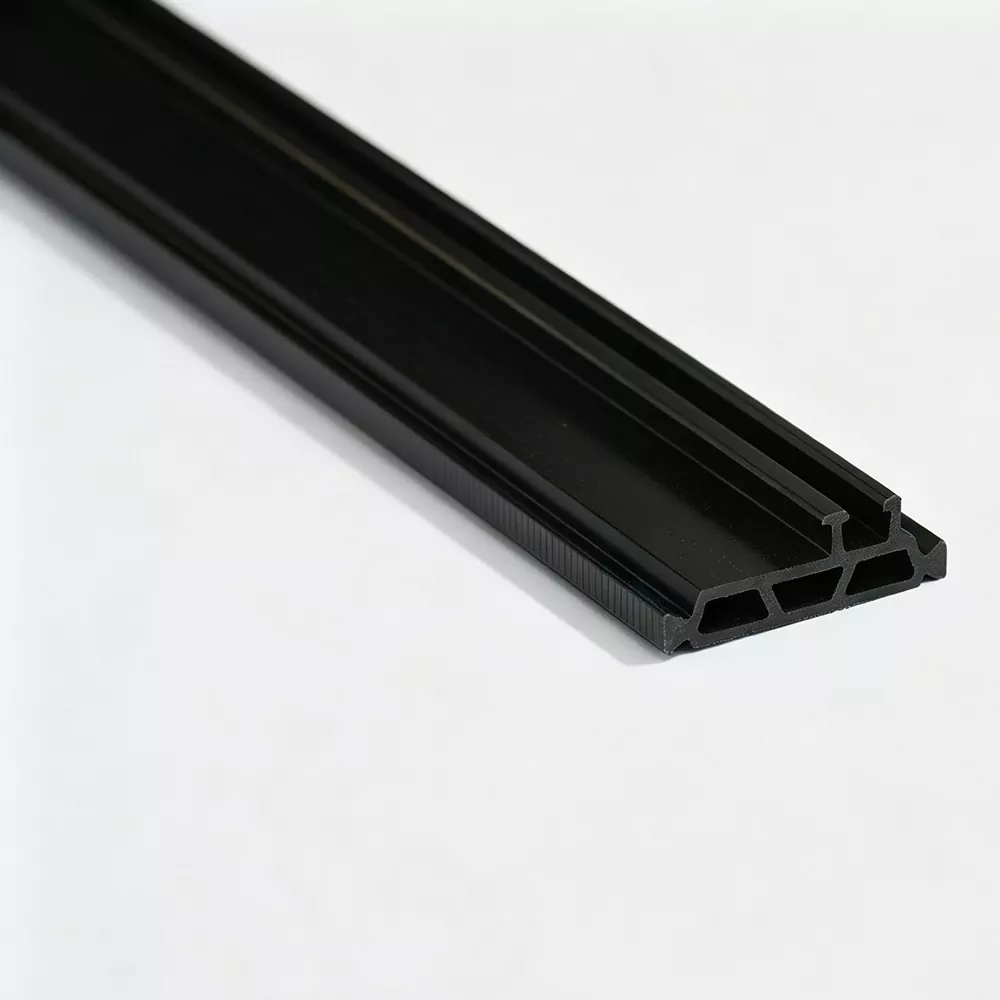
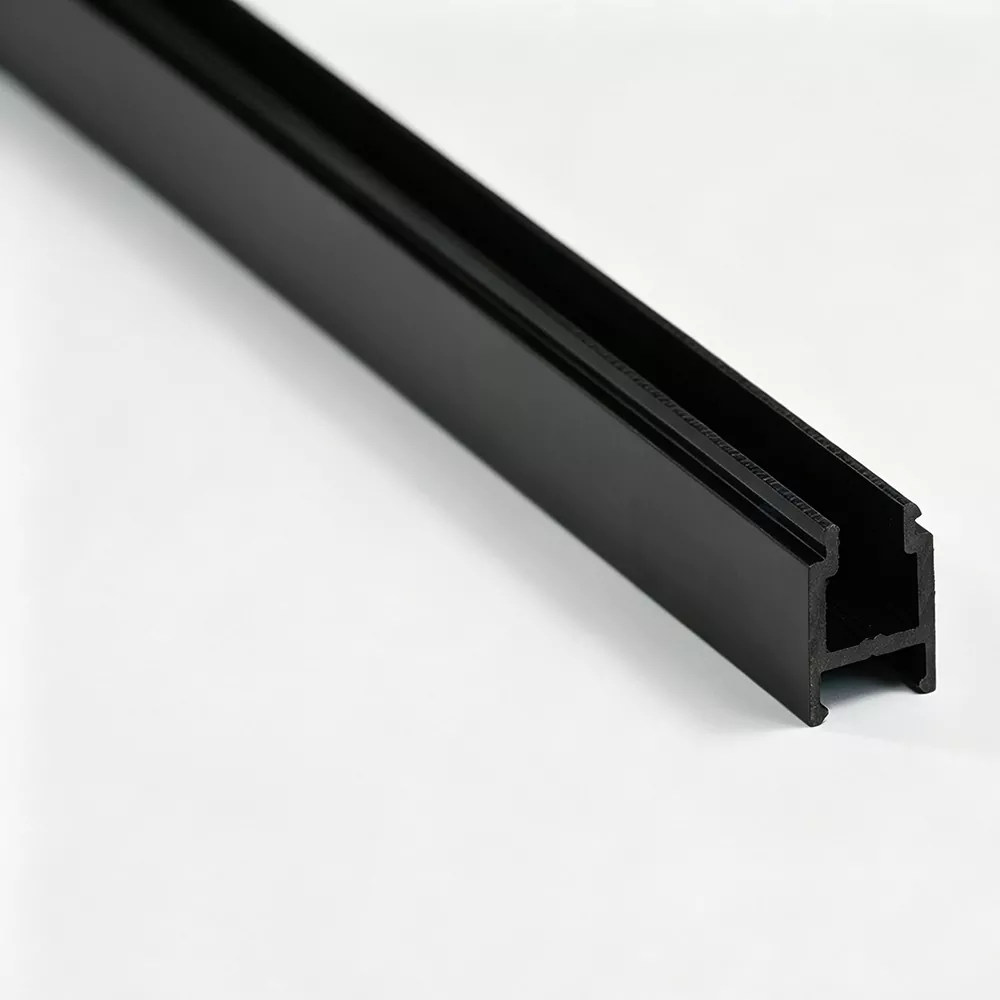
The thermal break arrangement can differ between the fixed frame and the opening sash.
The frame-side strip needs to correspond to the fixed outer extrusion, while the sash-side strip must work within the profile geometry around the opening section, glazing area, seals, and hardware.
Using the same strip specification for both profiles is therefore not always appropriate. Each aluminum extrusion should be checked independently.
For casement windows, the Thermal Break Strip for Casement Windows sits inside a profile that also needs to accommodate other components. A suitable section must leave sufficient space for the intended glazing, sealing, hardware, and profile connections.
Important dimensions may include:
Strip width → Strip thickness → Groove depth → Locking area → Profile wall position
These dimensions should be confirmed against the actual extrusion rather than estimated from the finished window size.
We mainly use PA66 GF25 for casement window thermal break strips. The glass fiber reinforcement improves the rigidity of the polyamide profile and helps it retain its designed geometry within the aluminum assembly.
Where customers have defined material, hardness, temperature, or testing requirements, these specifications can be confirmed before production.
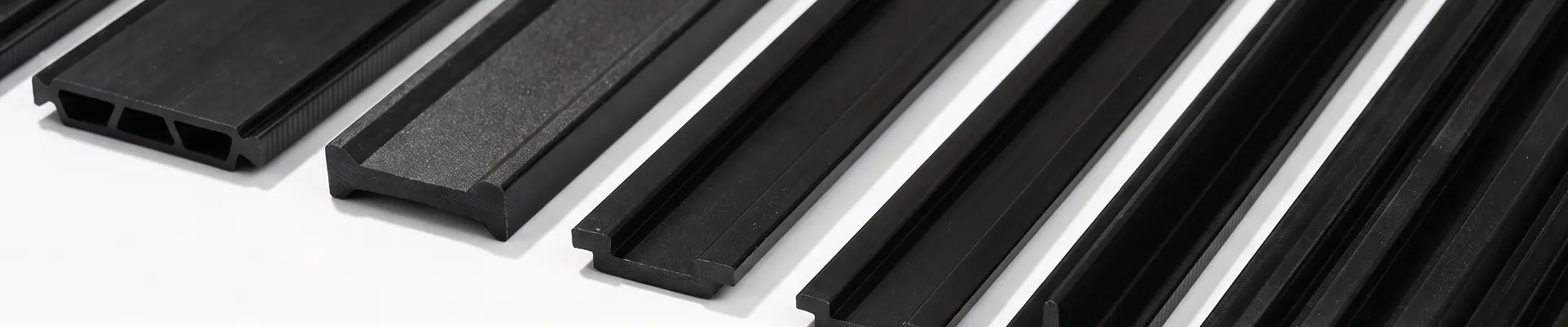
We can supply different thermal break section designs, including:
· I-Type
· C-Type
· T-Type
· Special-shaped sections
The correct profile is determined by the corresponding aluminum extrusion rather than by the window opening style alone.
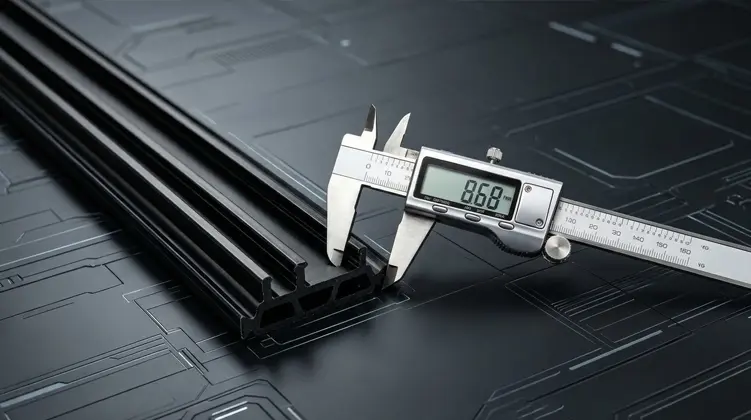
For casement window applications, attention is given to the dimensions that influence profile engagement and assembly.
Typical inspection items include:
|
Item |
Purpose |
|
Cross-section |
Confirms the designed profile geometry |
|
Width and thickness |
Controls groove fit |
|
Locking dimensions |
Supports mechanical engagement |
|
Surface quality |
Identifies extrusion defects |
|
Tensile properties |
Evaluates mechanical performance |
|
Thermal aging |
Checks material stability after heat exposure |
Testing can be carried out according to the customer's specification and applicable standards.
For accurate product selection, buyers should provide the frame or sash aluminum profile drawing whenever possible.
If a window system contains several thermally separated aluminum sections, identify each profile separately. This allows the strip width, locking structure, and cross-section to be matched to the correct extrusion.
It is a polyamide insulation profile installed within a thermally separated aluminum casement window frame or sash to interrupt the direct metal connection between the two sides.
Not necessarily. Frame and sash extrusions can have different groove structures and available installation spaces, so separate strip specifications may be required.
Jinxing primarily uses PA66 GF25, consisting of PA66 reinforced with 25% glass fiber.
The strip itself does not replace the hardware. Its section is developed to fit within the designated aluminum profile while allowing the surrounding profile structure to accommodate the required components.
Yes. Jinxing can develop non-standard sections using an aluminum profile drawing, strip sample, or confirmed dimensional requirements.
An aluminum frame or sash drawing, required strip dimensions or sample, material specification, color, length, and estimated quantity are useful for confirming the product.
Address
Taozhou Town, Guangde City, Xuancheng City, Anhui Province, China
Tel