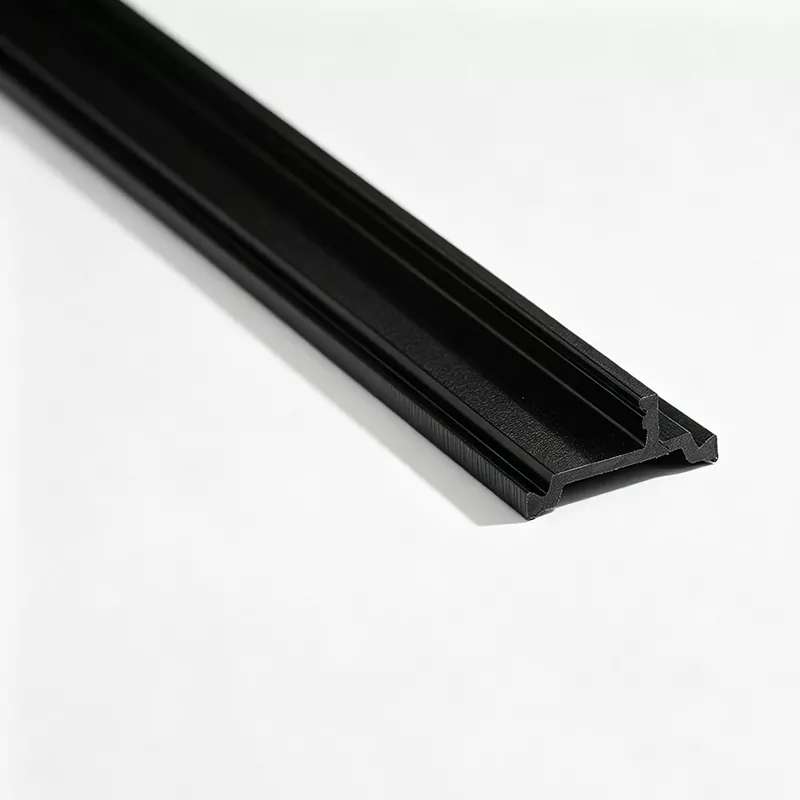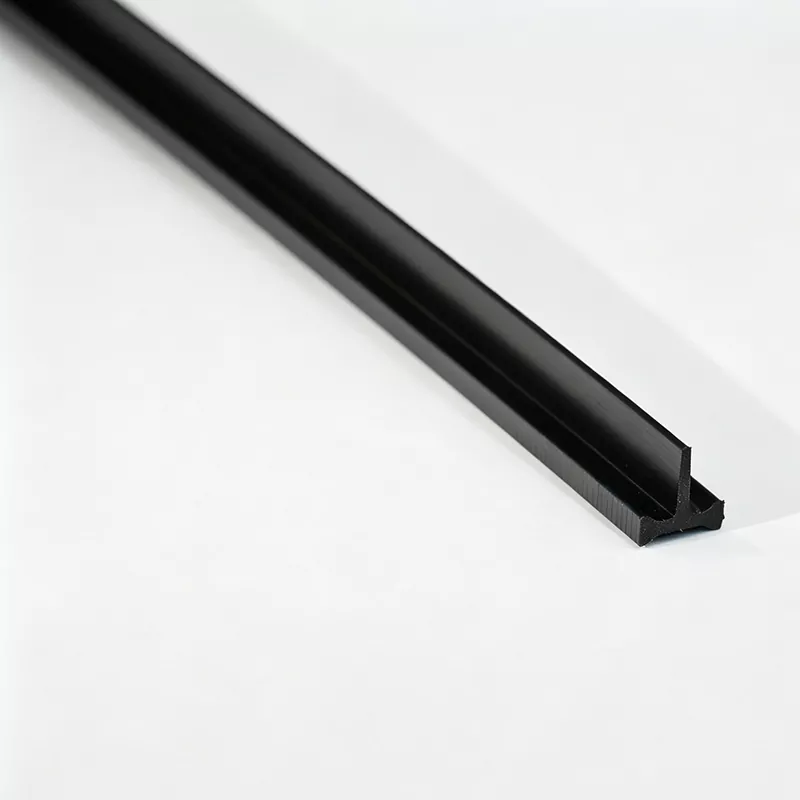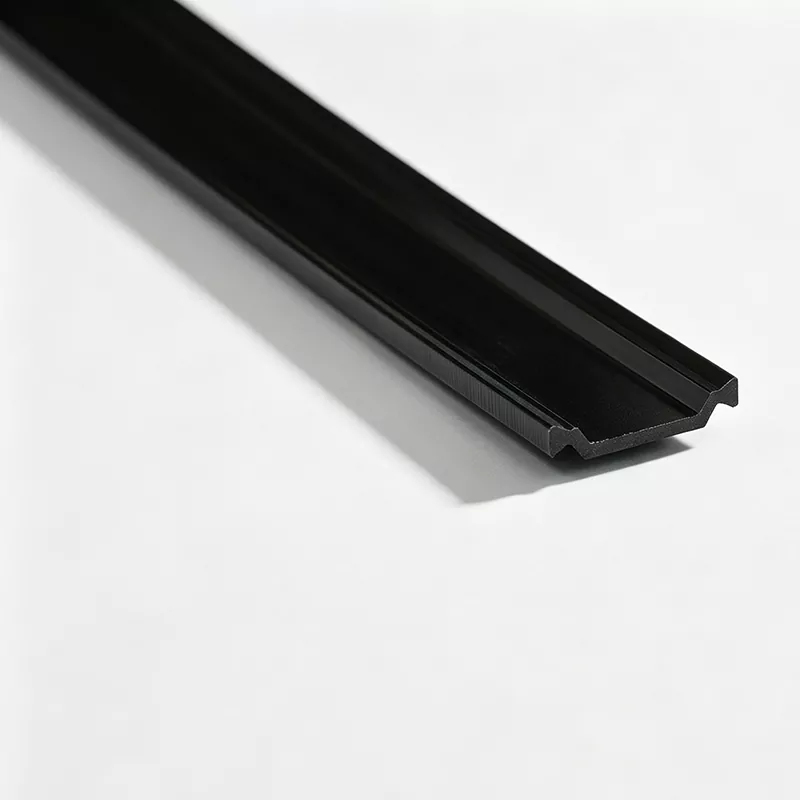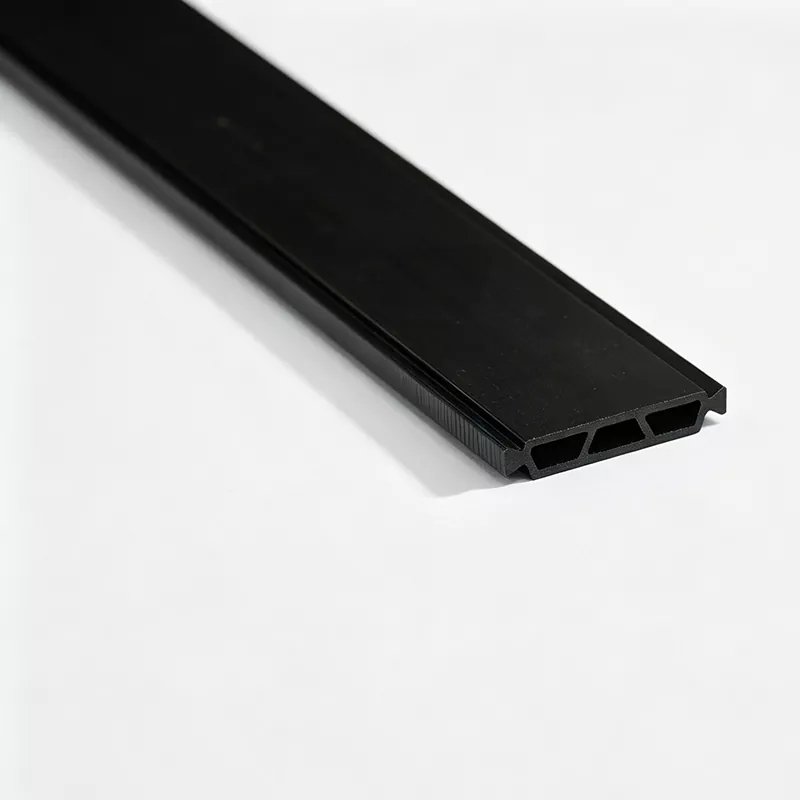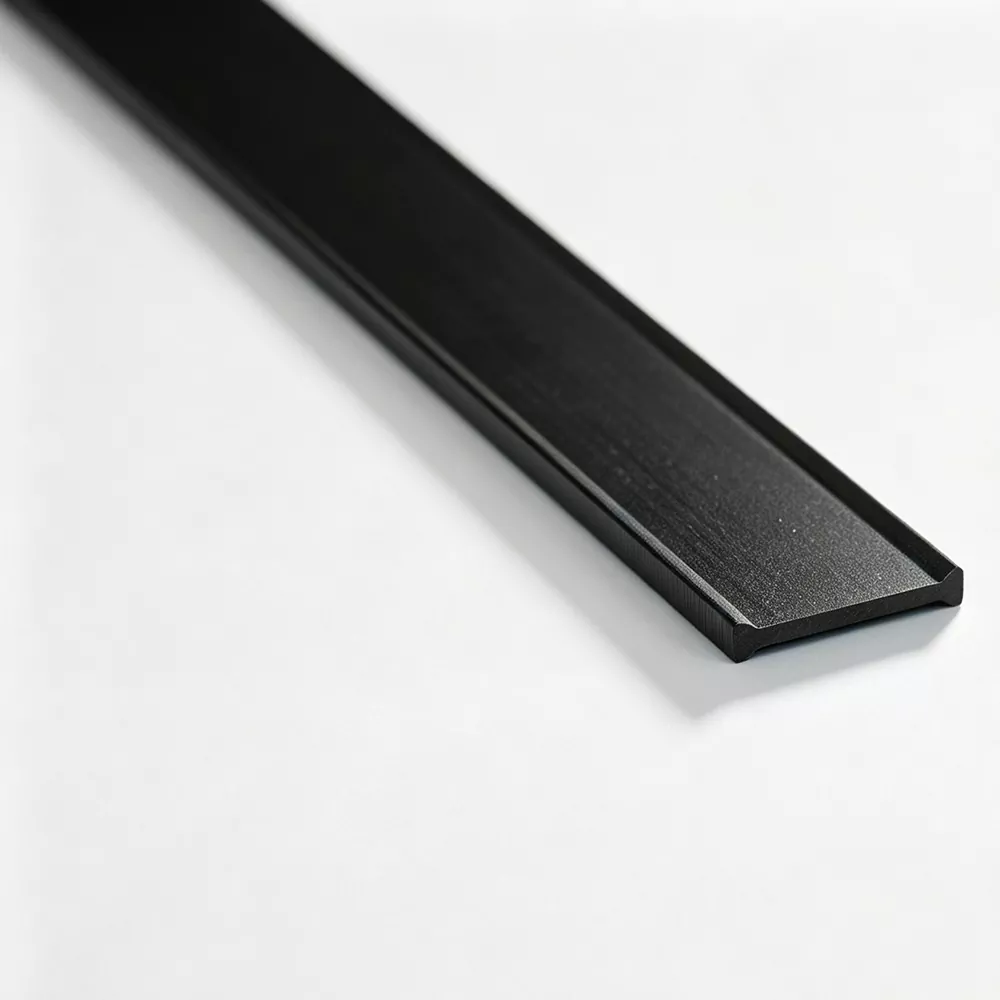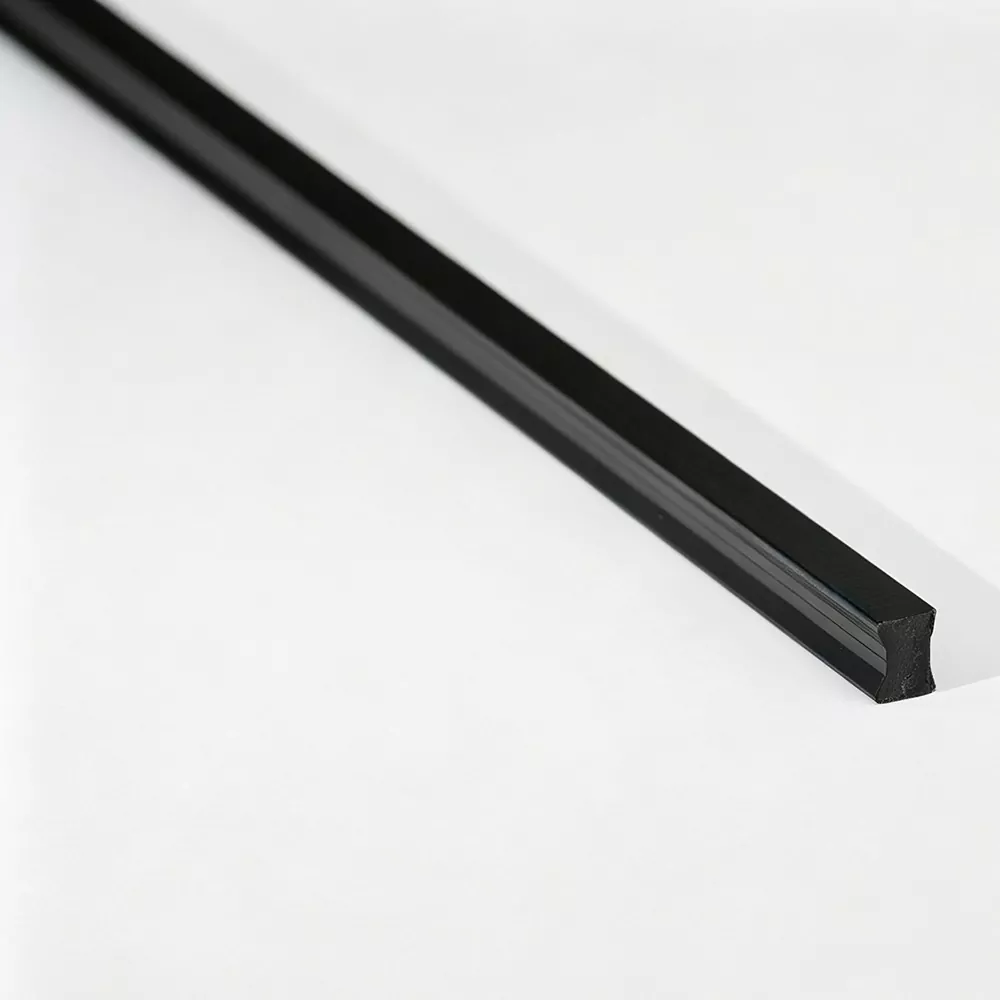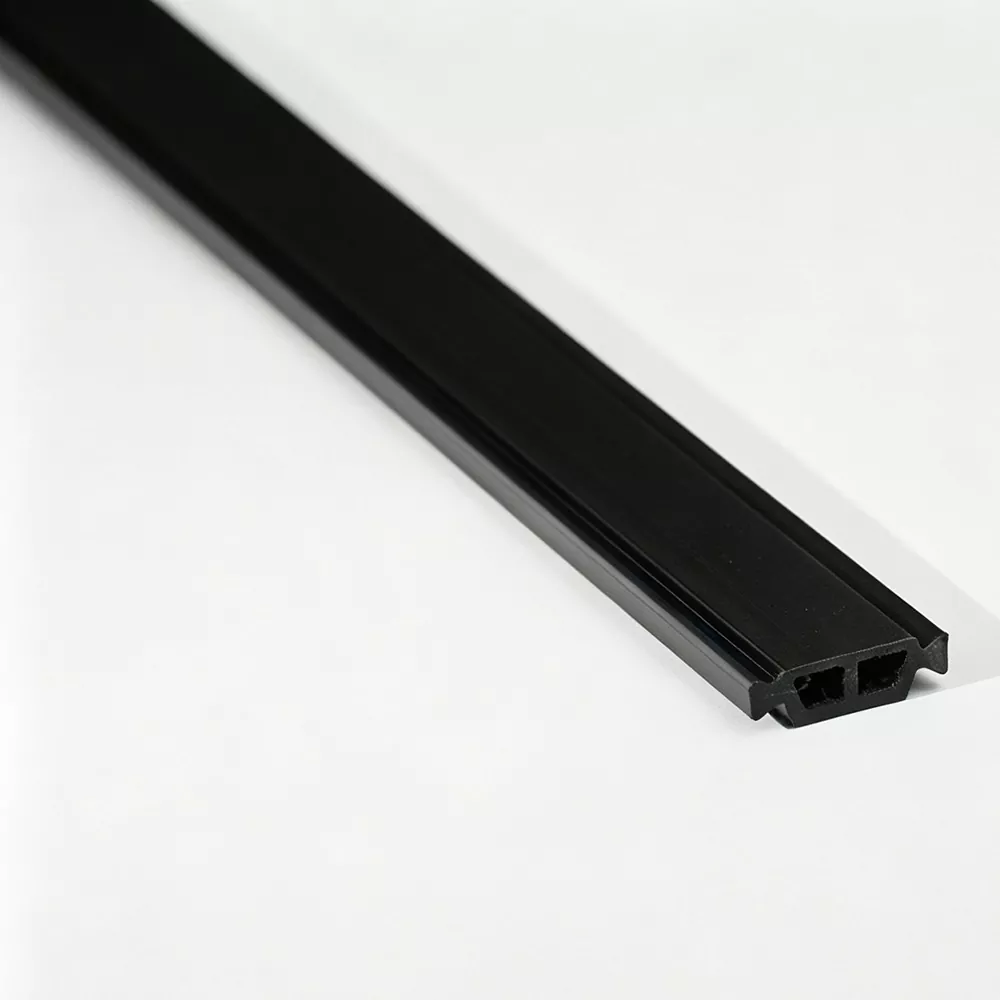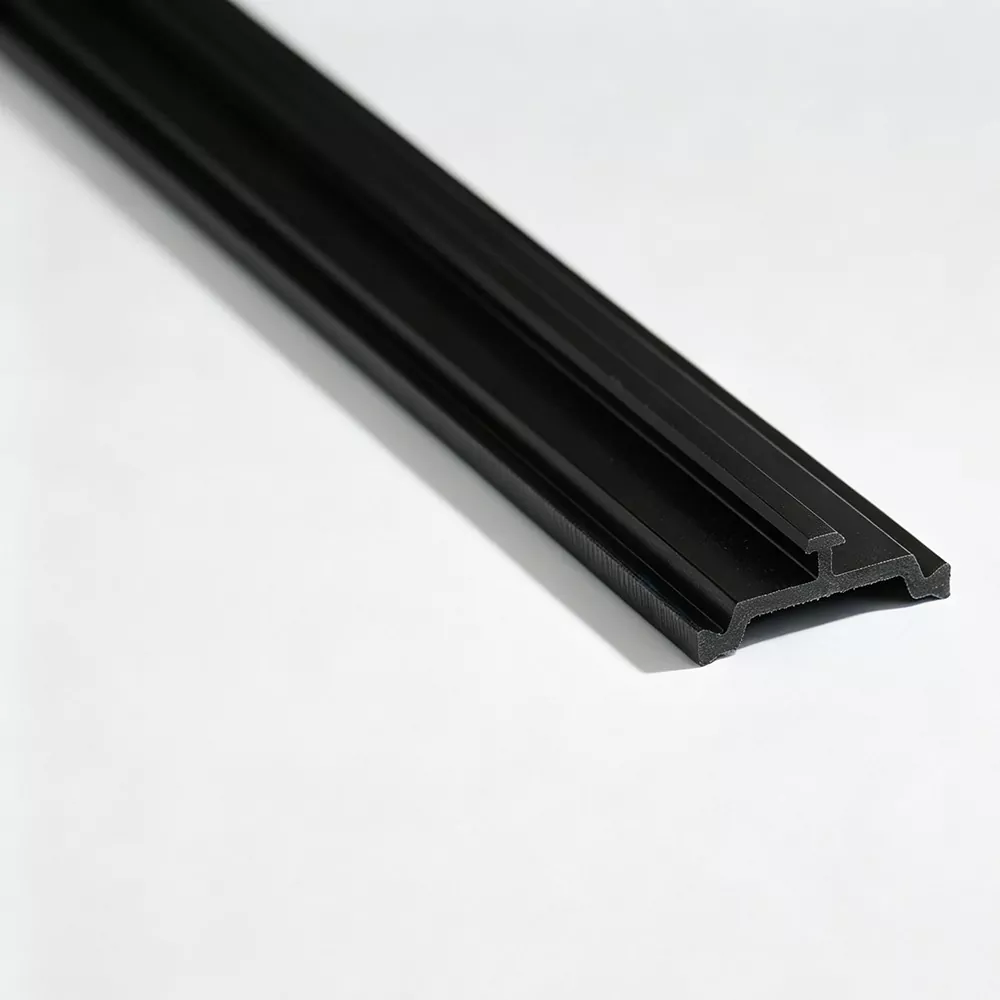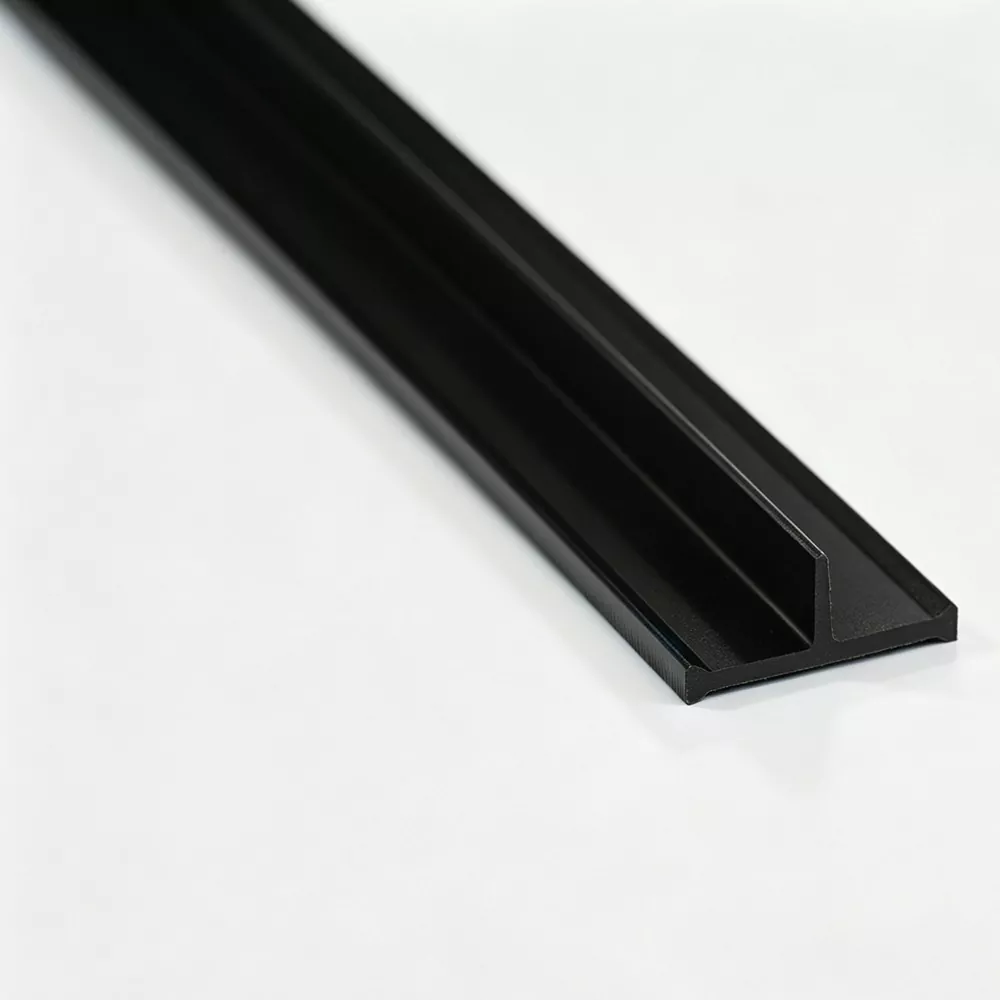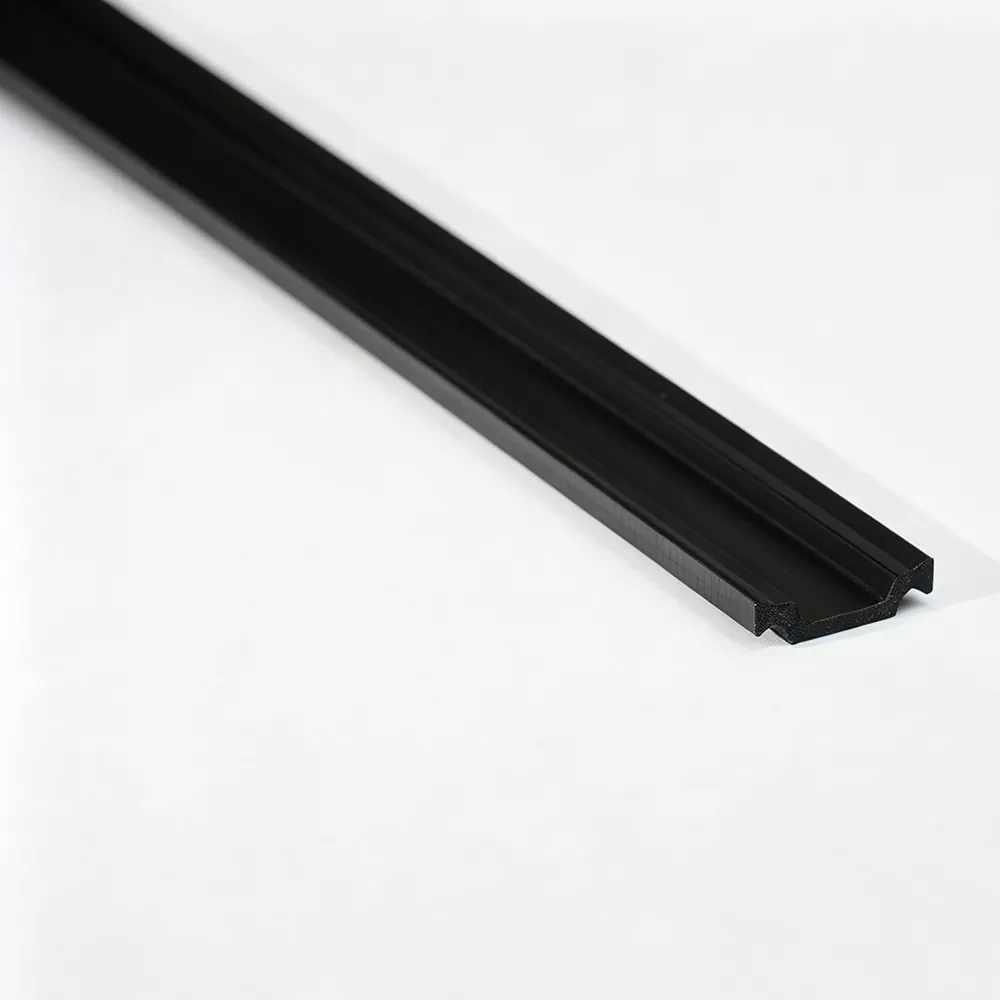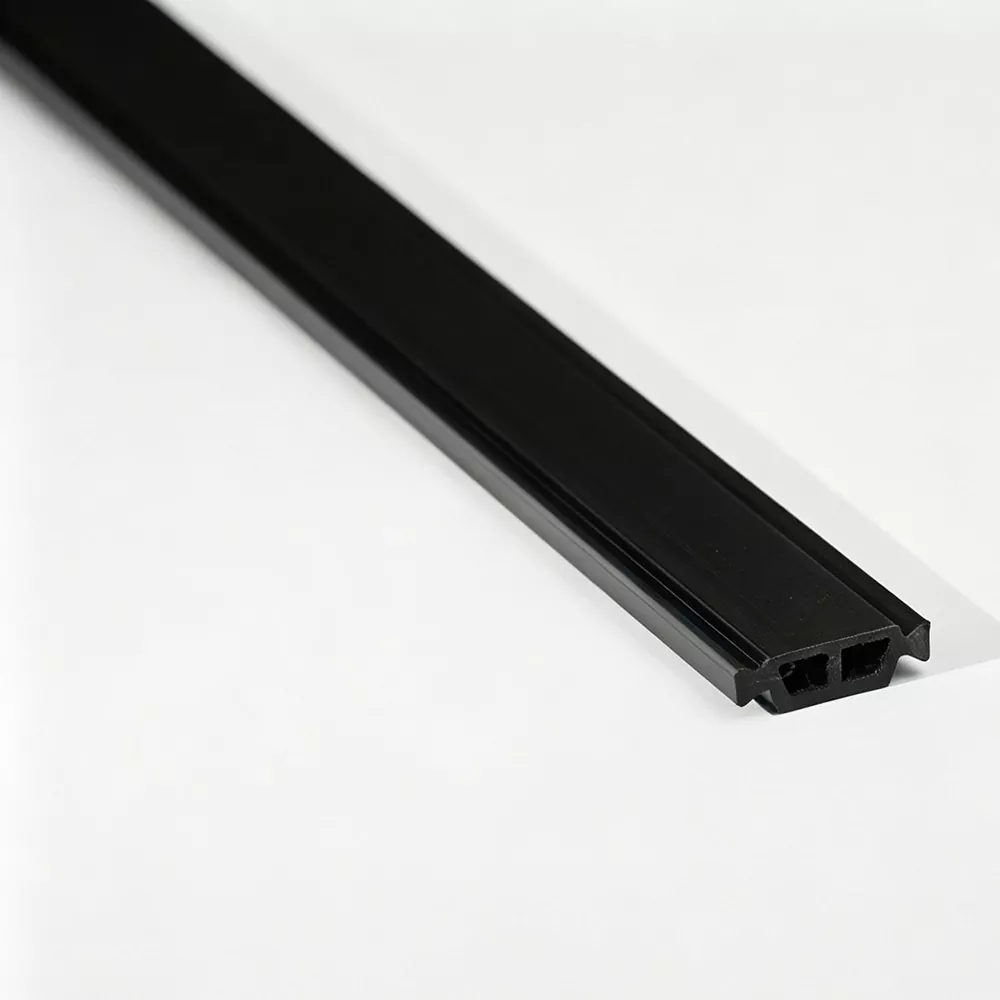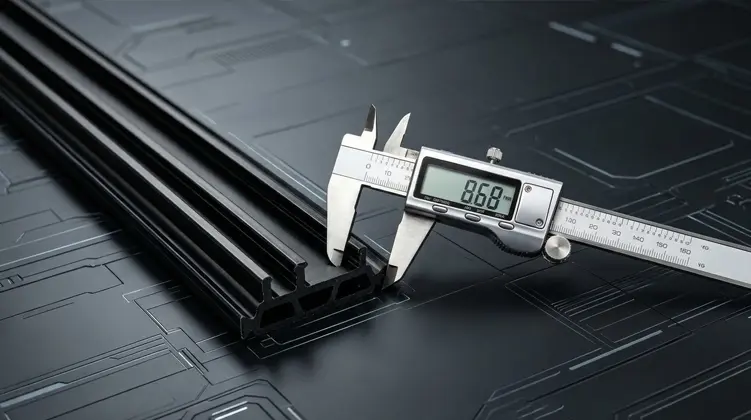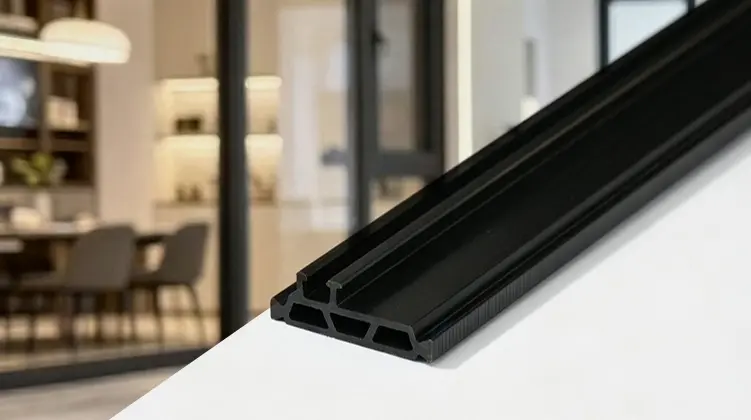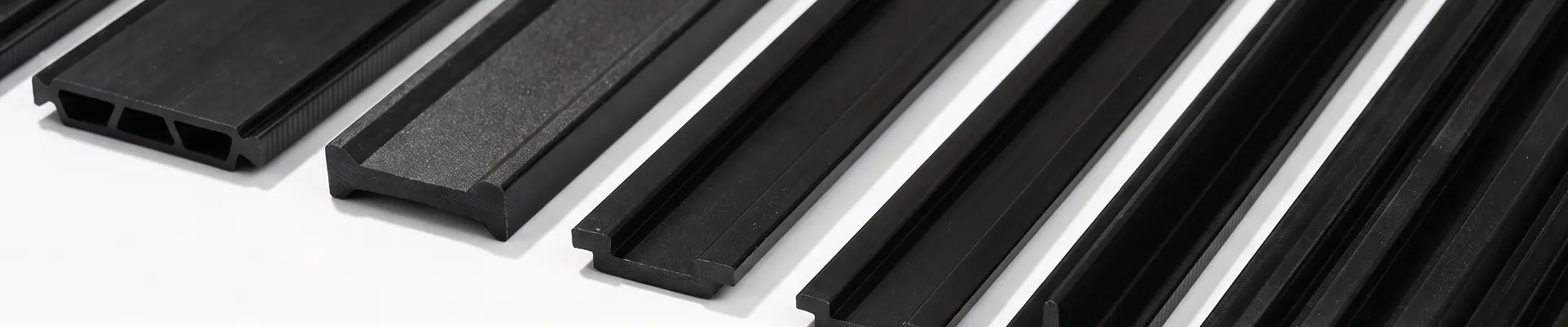
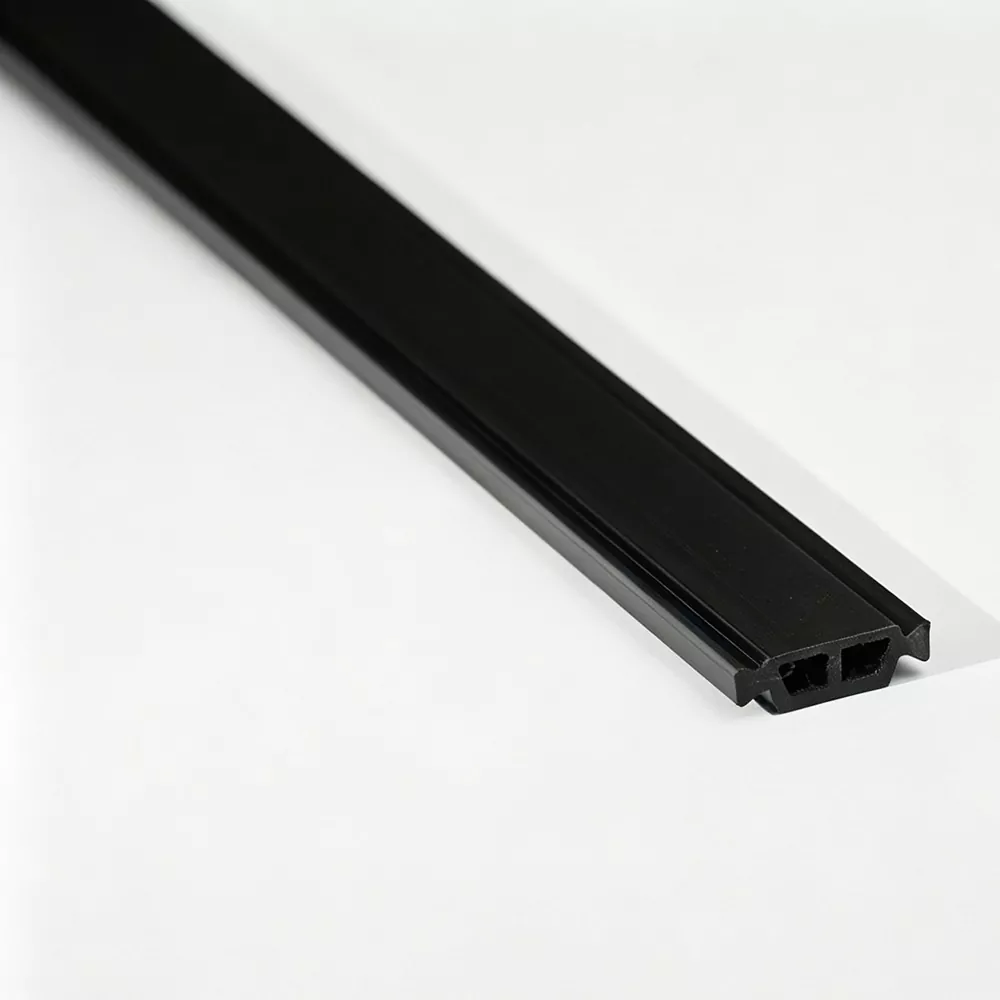
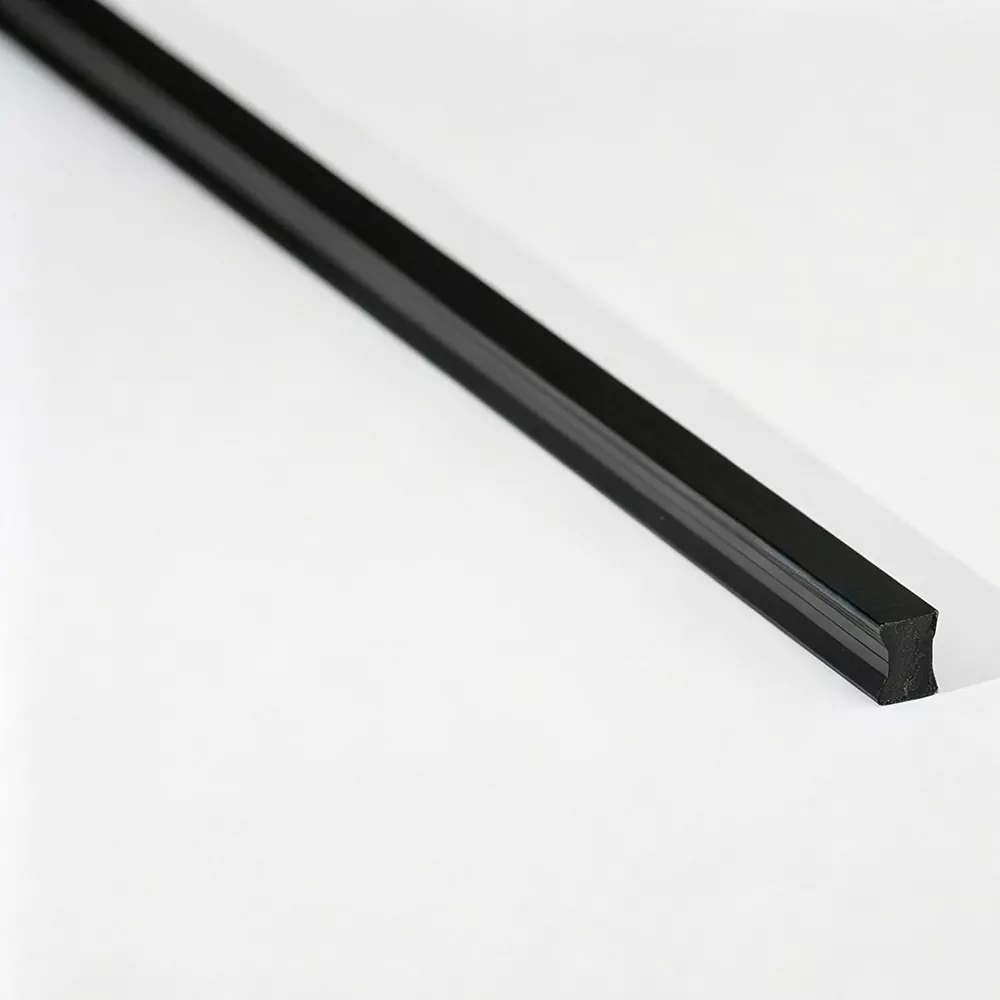
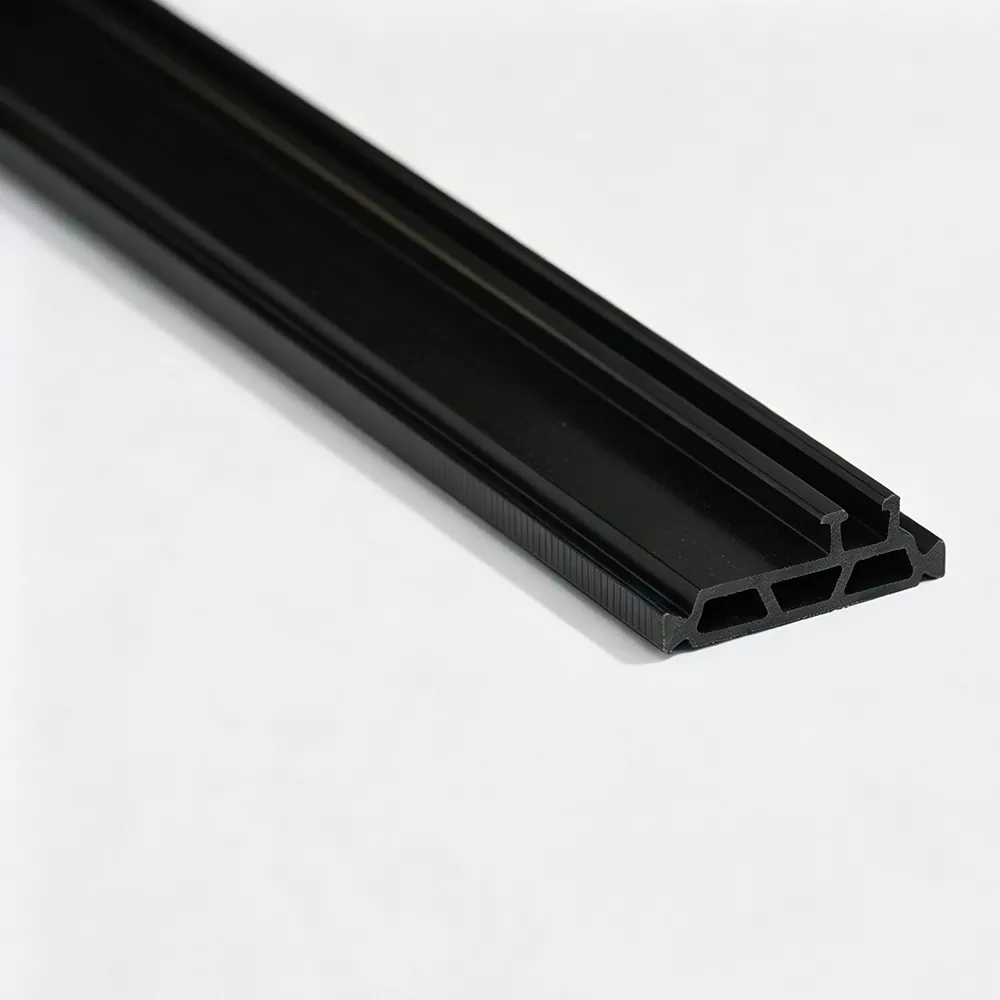
In an aluminum window, door or façade, the thermal break separates the interior and exterior metal sections, but the design of this connection can also affect how sound travels through the frame. The Sound Insulation Thermal Break Strip supplied by Jinxing, a China manufacturer and factory for polyamide thermal break profiles, is developed as part of this separated aluminum assembly rather than as a standalone acoustic seal.
Aluminum is a rigid material that can provide a continuous path for vibration and sound transmission when interior and exterior sections are directly connected.
A thermal break strip interrupts that direct connection by introducing a polyamide section between the aluminum components. In an appropriately designed profile system, this separation can help reduce direct transmission paths through the metal frame.
However, the acoustic performance of a finished window or façade does not depend on the thermal break strip alone. Glass, gaskets, sealants, frame geometry, opening configuration and installation all influence the final sound insulation result.
The strip is mechanically integrated into the aluminum extrusion. Its cross-section therefore needs to work with the profile cavity rather than simply filling an empty space.
Important design points include:
· Contact between the strip and aluminum sections
· Locking and engagement geometry
· Strip width and thickness
· Profile cavity dimensions
· Mechanical connection after rolling
· Position of surrounding gaskets and glazing components
A correctly matched profile helps maintain the intended separation between the aluminum sections while providing a stable connection during assembly.
Jinxing uses PA66-based glass-fiber-reinforced material for its thermal break profiles. The glass fiber contributes to the rigidity and mechanical stability needed when the strip is inserted into aluminum profiles and secured through mechanical rolling.
For acoustic applications, dimensional consistency is also important. An inconsistent strip profile can affect the contact relationship between the polyamide and aluminum sections and create variations during profile assembly.
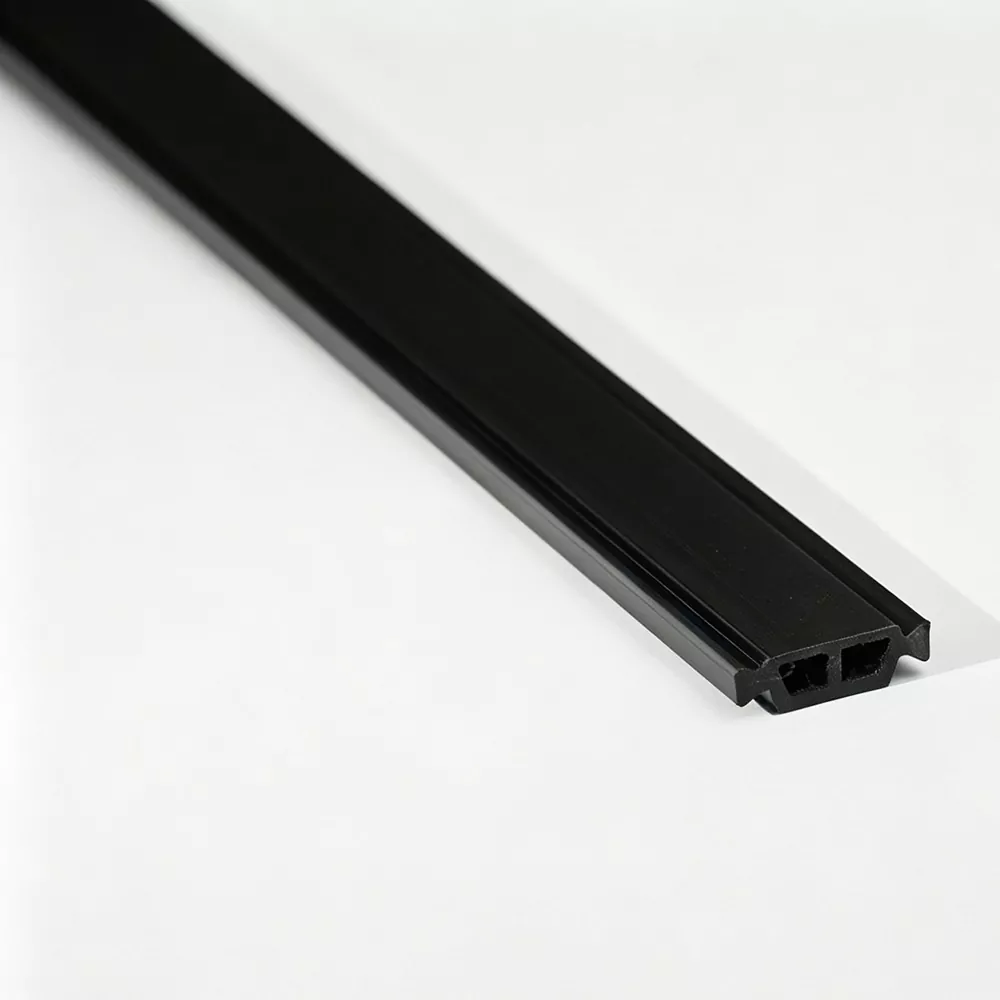
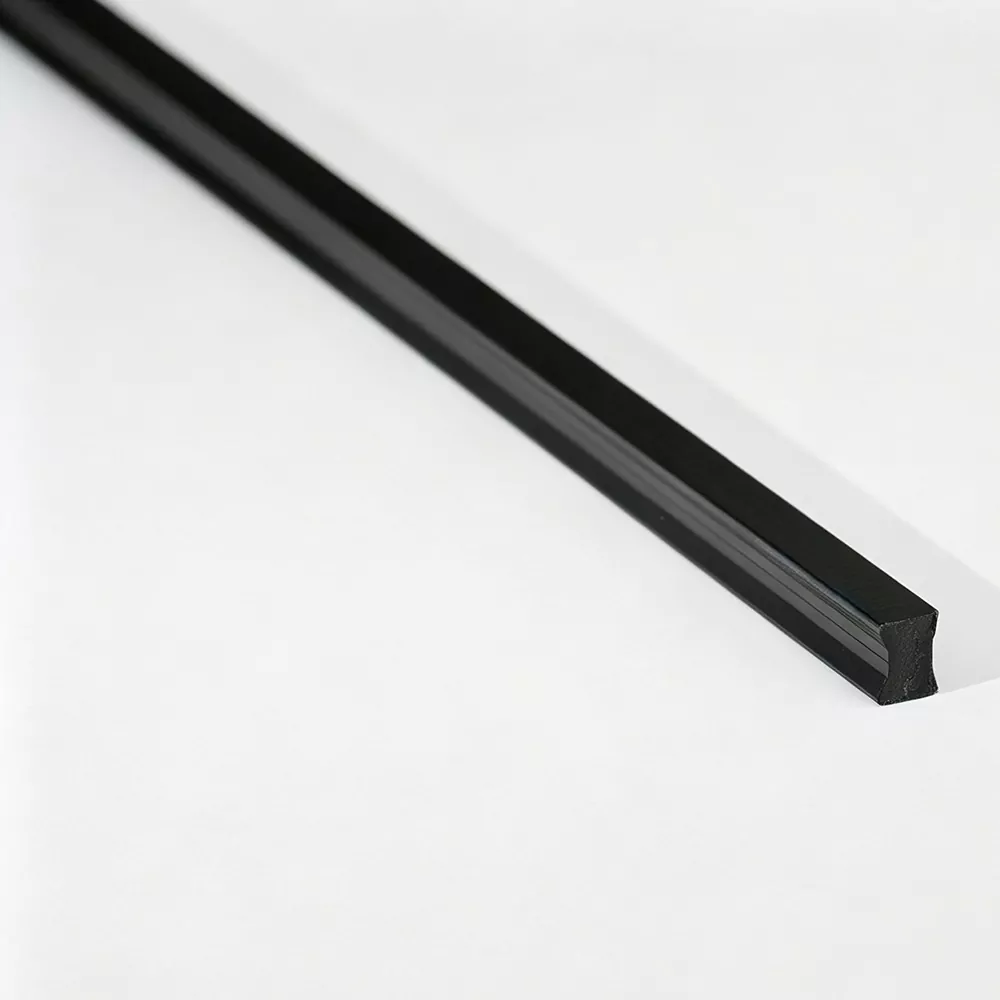
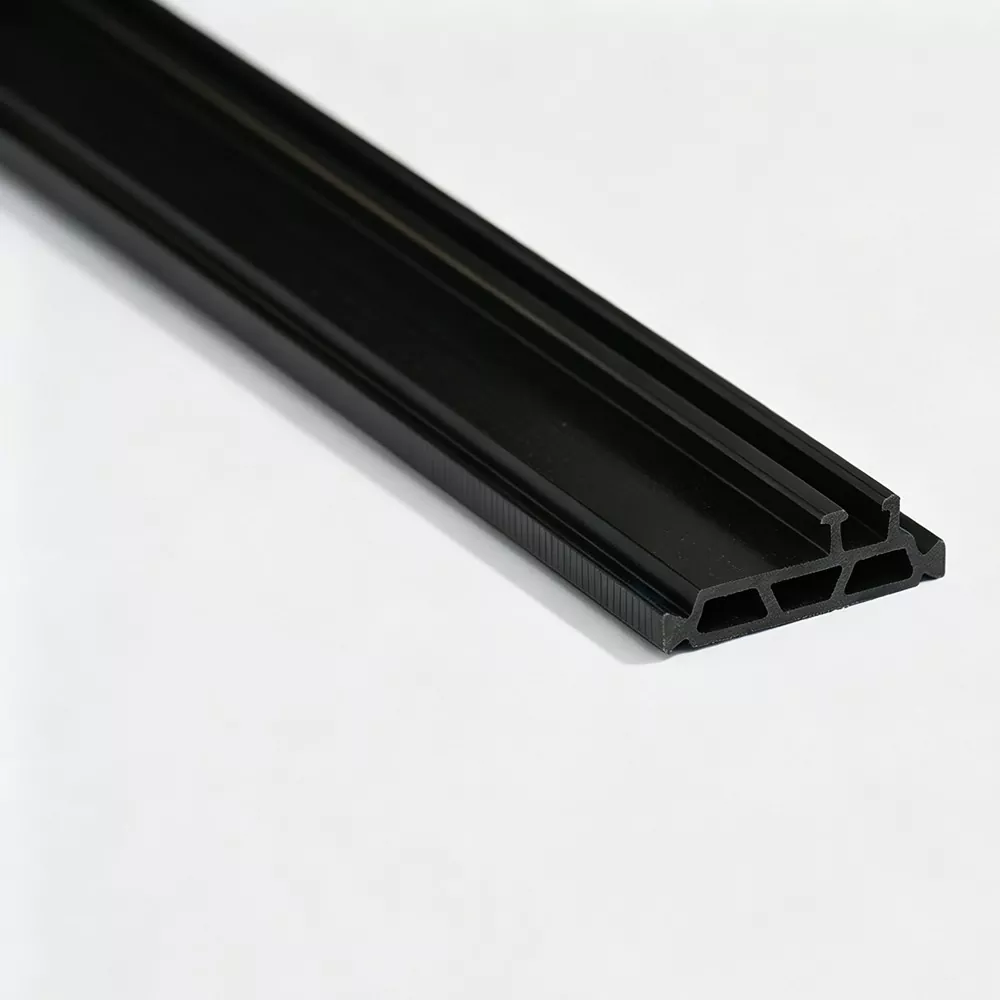
Rather than treating sound insulation as a single material property, the product should be considered through several related characteristics:
· Thermal Separation — Breaks the continuous aluminum path between the two sides of the profile.
· Stable Mechanical Engagement — Designed to remain securely integrated with the aluminum extrusion after assembly.
· Dimensional Consistency — Helps maintain the designed profile geometry and contact conditions.
· Glass-Fiber Reinforced Structure — Provides the rigidity required for aluminum profile processing and service.
· Adaptable Cross-Sections — Can be produced in different geometries to match window, door and façade profiles.
Sound insulation requirements vary significantly according to the building and its surroundings. The thermal break strip may form part of an aluminum framing solution for:
A thermal break strip and an acoustic gasket should not be treated as interchangeable components.
The thermal break strip primarily separates aluminum sections and contributes to the thermal performance and mechanical connection of the profile. Acoustic seals and gaskets, meanwhile, are commonly used around moving joints, glazing interfaces and other gaps where air leakage can create sound transmission paths.
For this reason, a sound-insulation-oriented aluminum system may require both an appropriately designed thermal break and suitable sealing components.
A sound insulation thermal break cannot be selected only by material name.
The surrounding aluminum profile determines how the strip is positioned and how the complete frame transfers vibration. For example, the relationship between the thermal break, glazing cavity, frame chamber and sealing points can influence the acoustic behavior of the finished assembly.
Jinxing can review the aluminum profile drawing when buyers need a non-standard cross-section. This allows the strip geometry to be developed around the actual extrusion rather than adapting the aluminum profile to an unsuitable standard strip.
Jinxing produces thermal break profiles through a controlled process covering material preparation, extrusion, cooling, shaping and cutting.
For PA66-based materials, incoming checks can include melt flow index, glass-fiber content and moisture. During extrusion, temperature, pulling speed and cooling conditions are controlled to maintain the required cross-sectional shape.
Production samples are checked for dimensions and surface condition, while finished products undergo appearance and dimensional inspection before shipment. Where required, mechanical, thermal aging, water resistance and other relevant properties can be evaluated according to the applicable specification.
Jinxing can manufacture non-standard thermal break sections when an existing profile does not match the customer's aluminum extrusion.
The customization process can include:
Profile drawing or sample → Section evaluation → Tooling → Trial extrusion → Dimension verification → Production
Available customization may include special cross-sections, dimensions, colors, cut lengths and packaging requirements.
For profile manufacturers, Jinxing can also provide practical support related to strip insertion, profile slot design and roll-forming conditions when problems occur during assembly.
It is a polyamide thermal break profile used in aluminum systems where thermal separation and acoustic performance are both considered. It interrupts the direct connection between aluminum sections and can help reduce direct sound transmission paths through the frame.
No. A thermal break strip is only one component of an acoustic window system. Glass, frame design, gaskets, sealants, opening configuration and installation also have a significant effect on the final sound insulation performance.
PA66 GF25 provides the rigidity and mechanical stability commonly required for thermal break profiles. Its suitability for a specific acoustic system should be evaluated together with the profile design and the project's acoustic requirements.
An acoustic sealing strip is generally intended to reduce air and sound leakage through joints or gaps. A thermal break strip separates aluminum sections and primarily serves thermal and structural functions. Some thermal break designs can also contribute to the acoustic behavior of the complete aluminum system.
Typical applications include aluminum windows, doors, curtain walls and other thermally separated architectural aluminum systems where noise control is an additional design consideration.
Yes. Jinxing can develop non-standard cross-sections according to aluminum profile drawings or physical samples and adjust the profile to the required cavity and mechanical engagement conditions.
Some material and component properties can be tested separately, but the sound insulation of a finished window, door or curtain wall is normally a system-level performance. The required test method should therefore be confirmed according to the project specification.
Address
Taozhou Town, Guangde City, Xuancheng City, Anhui Province, China
Tel