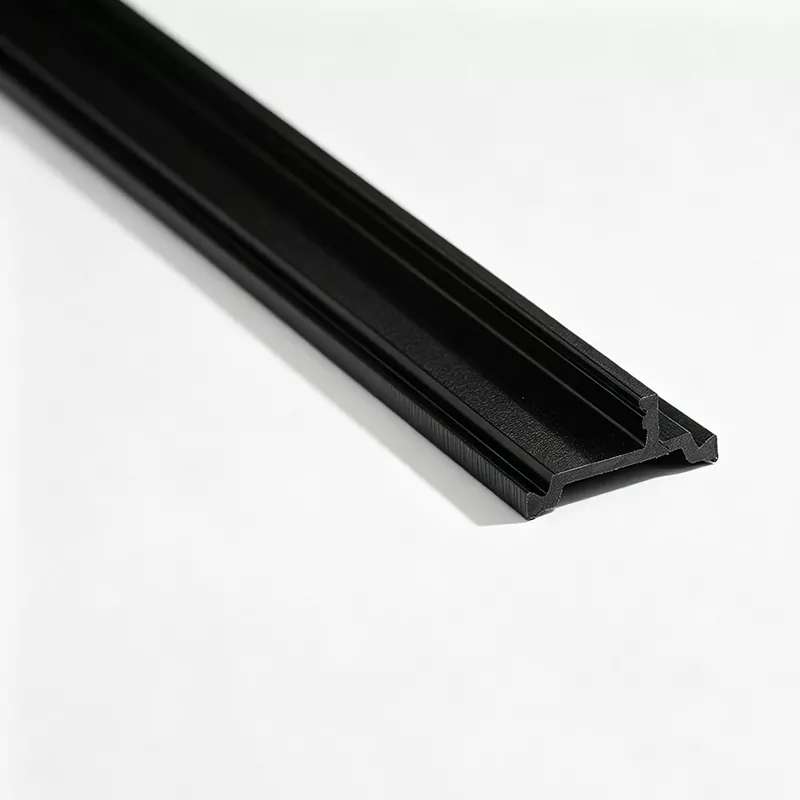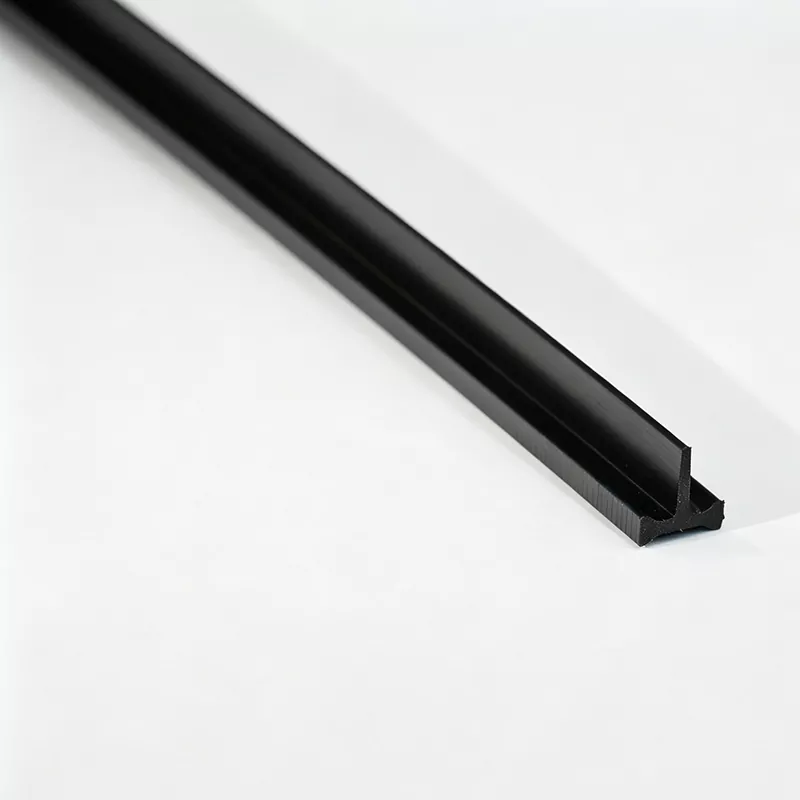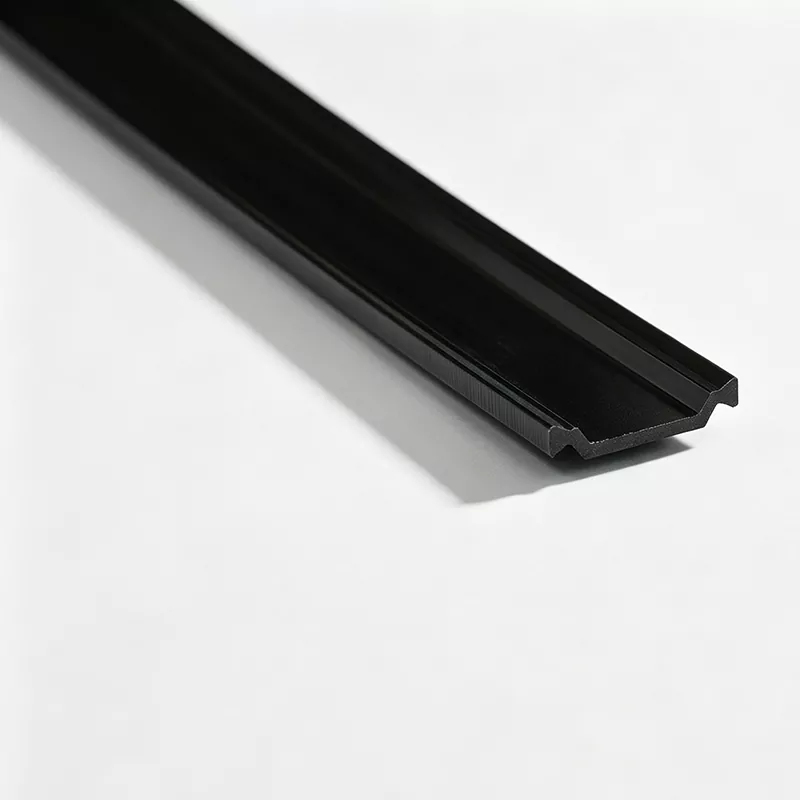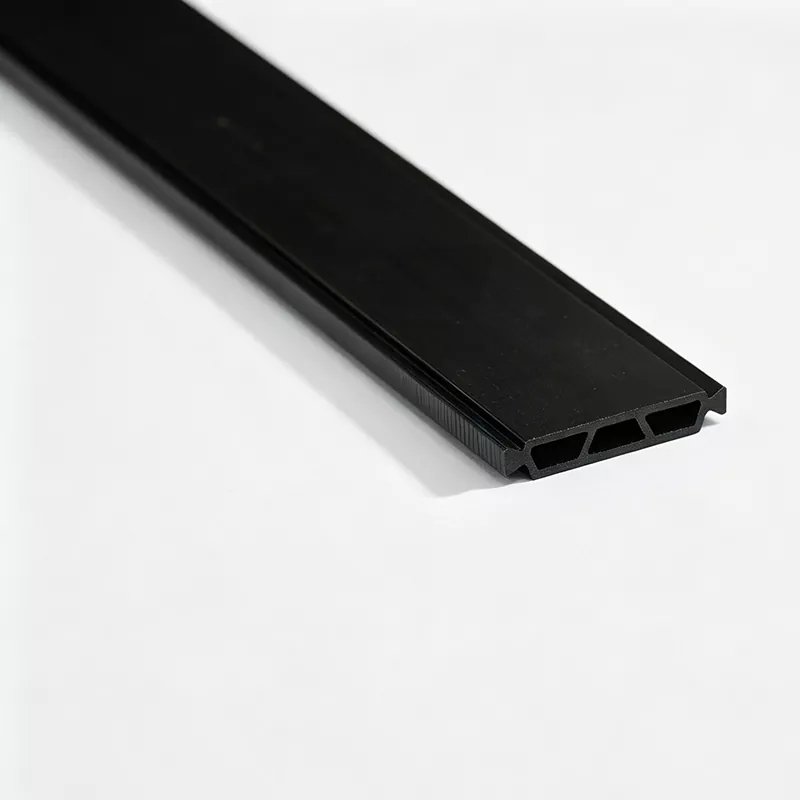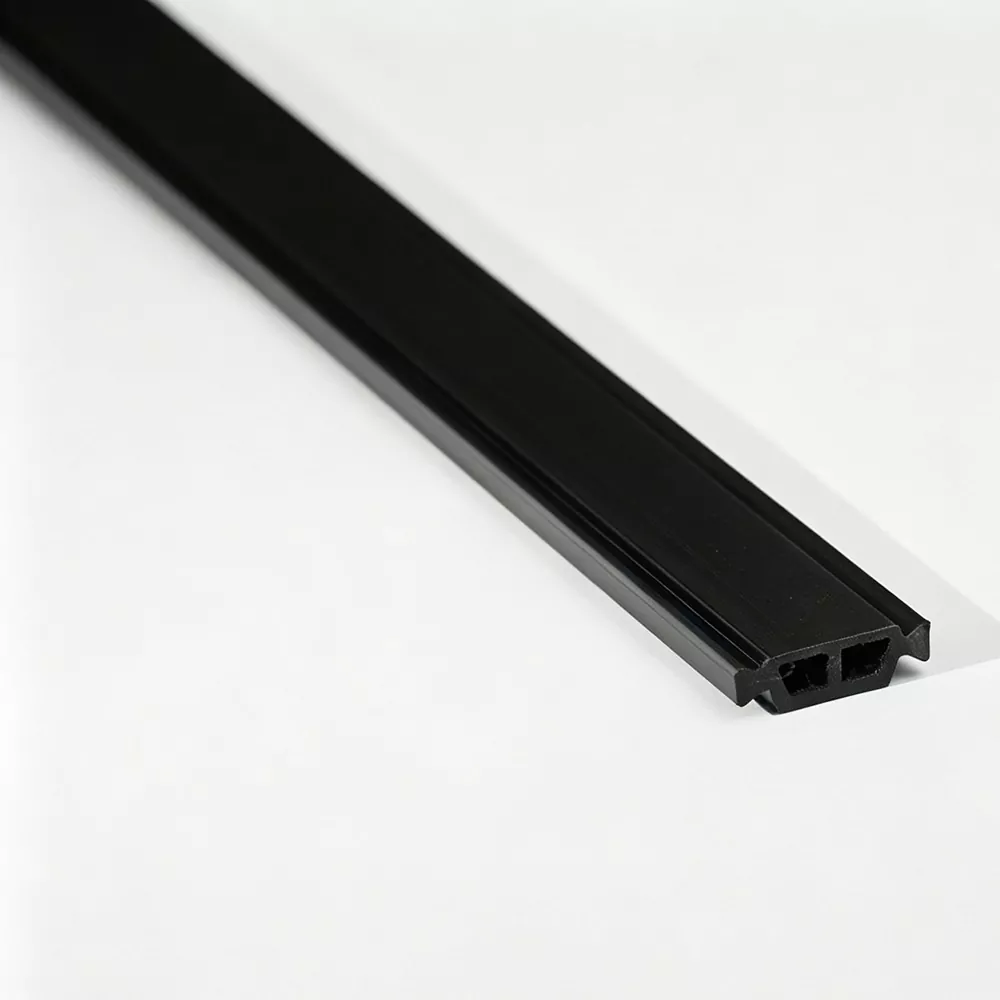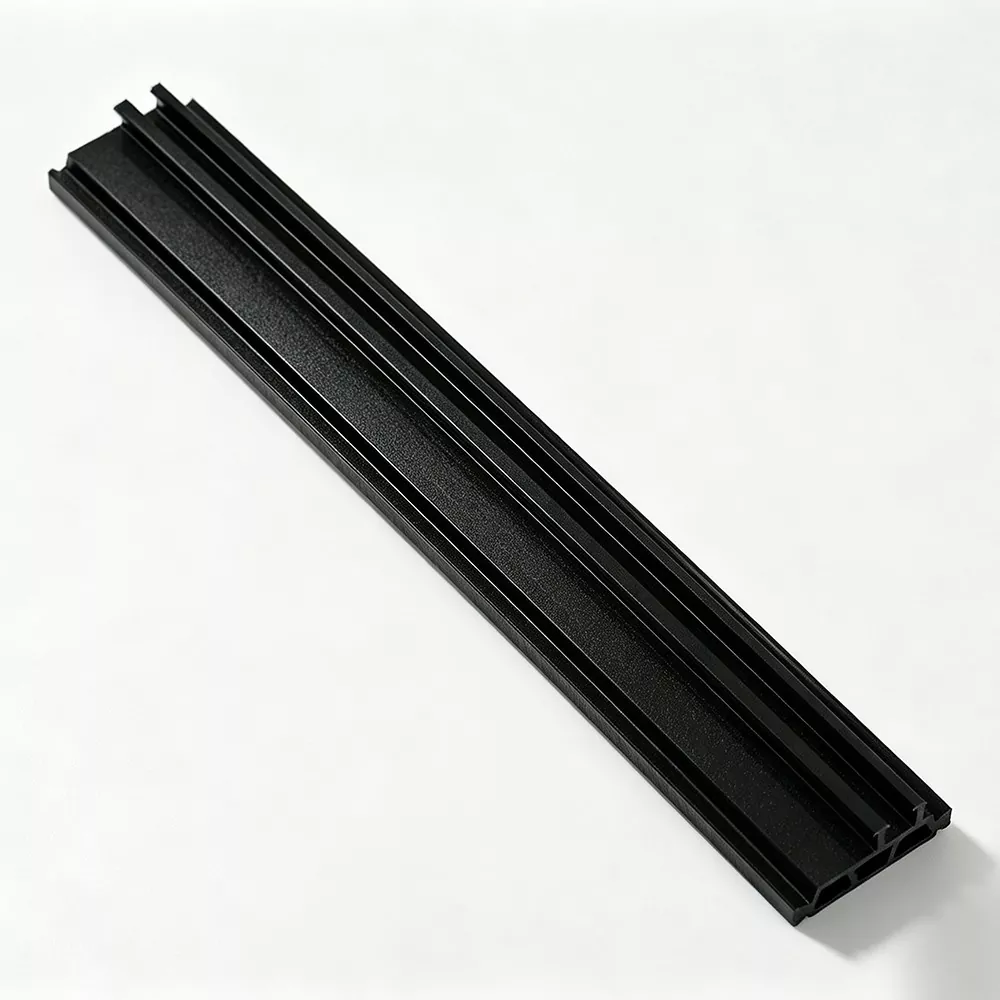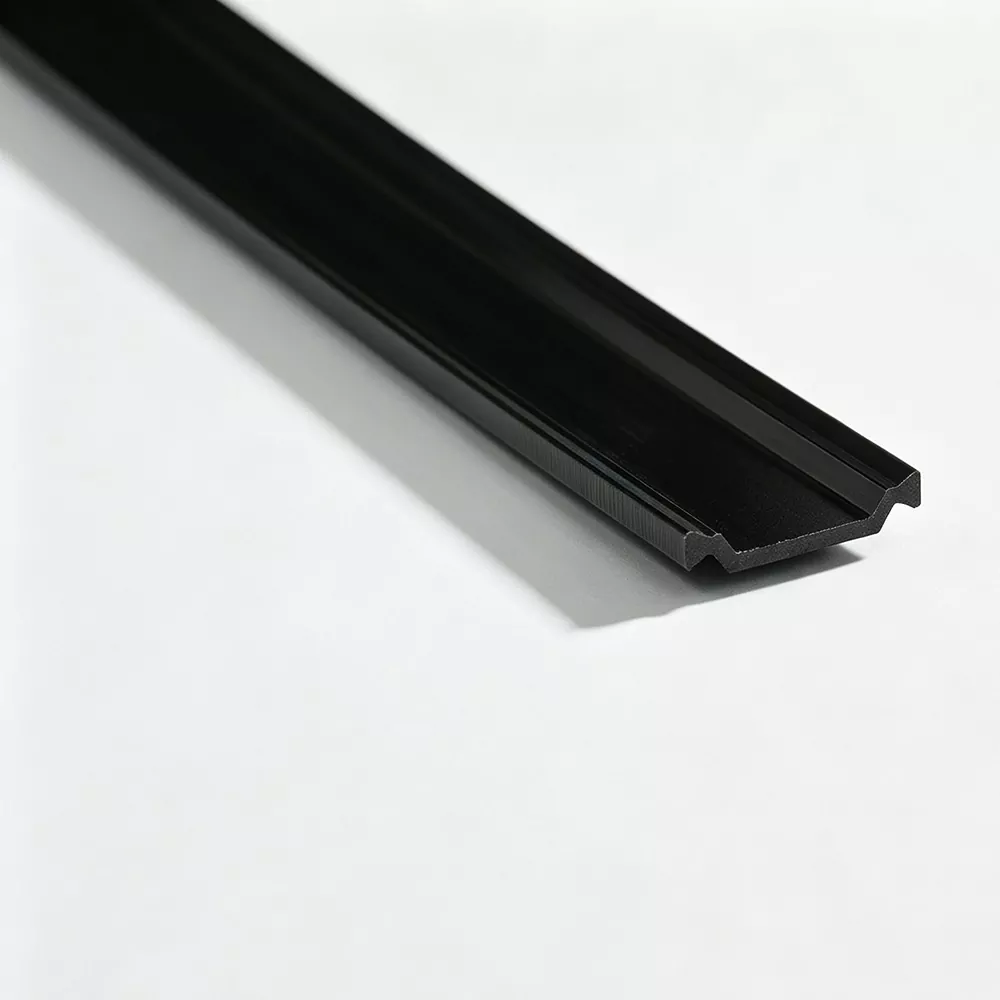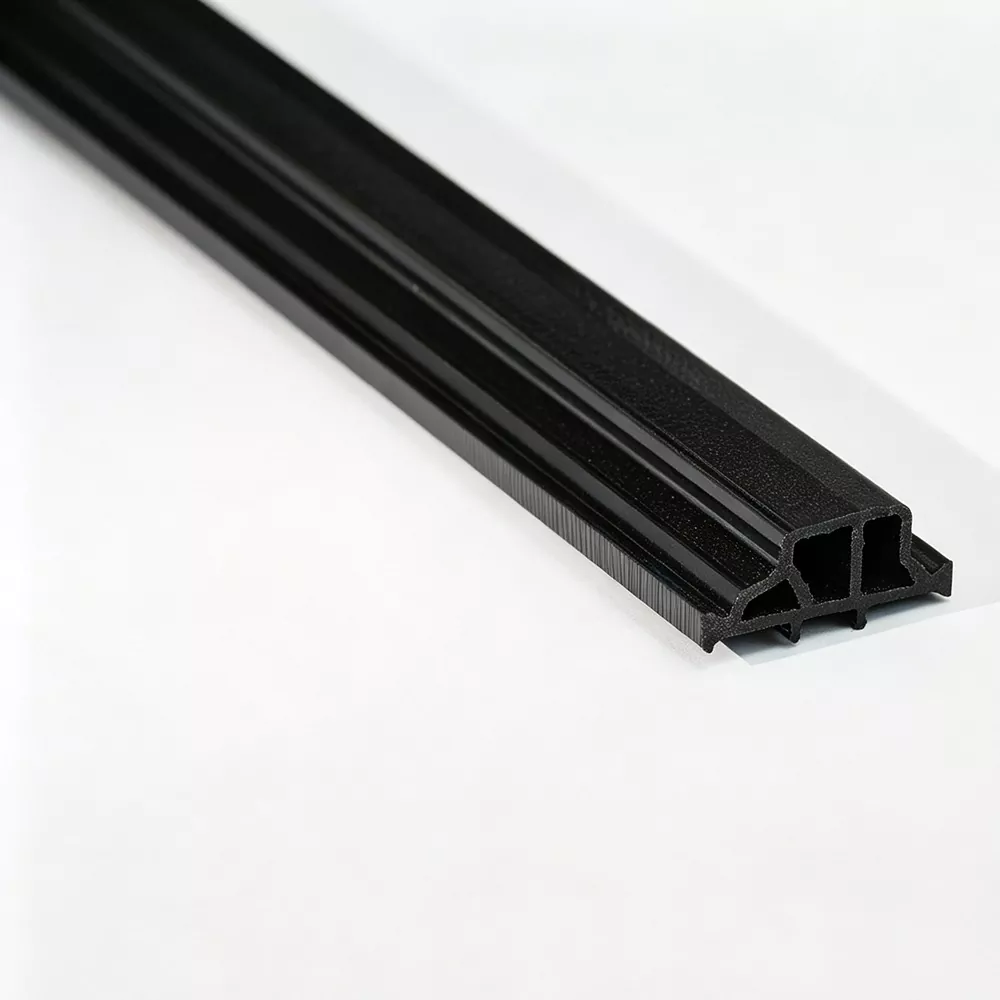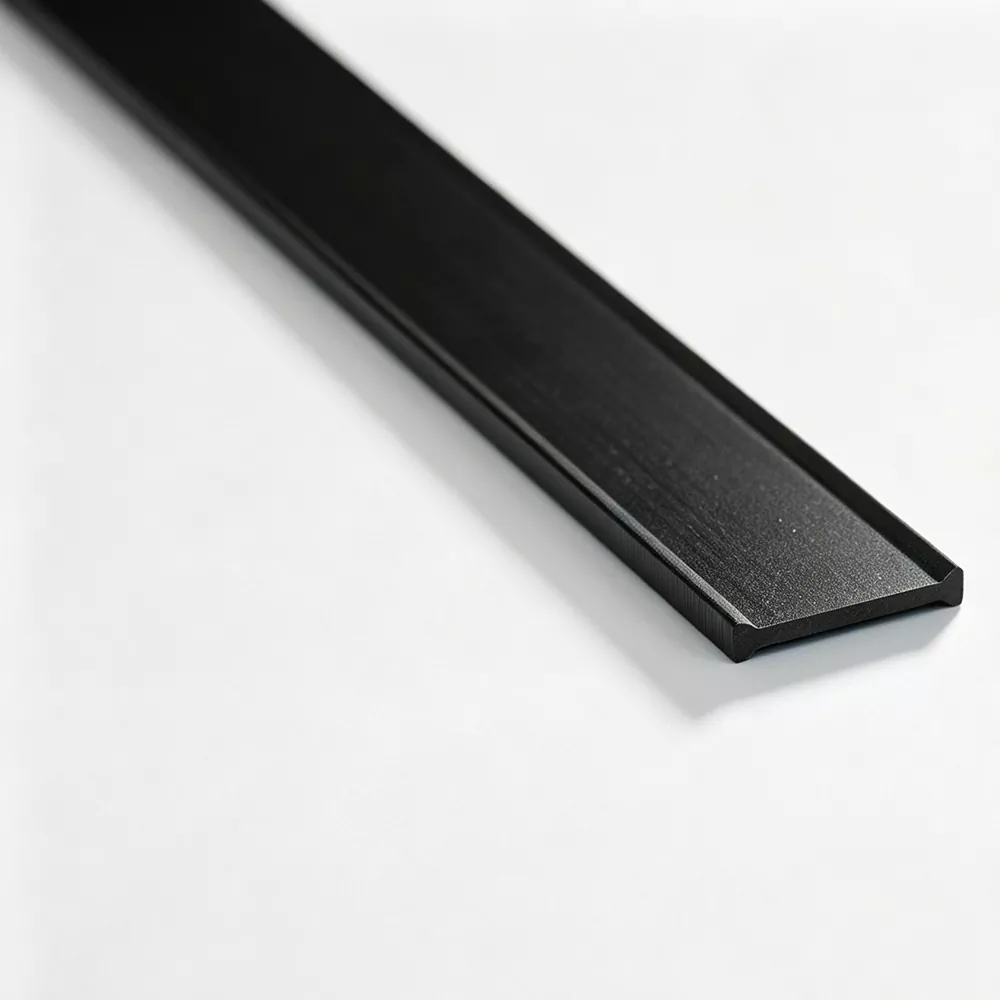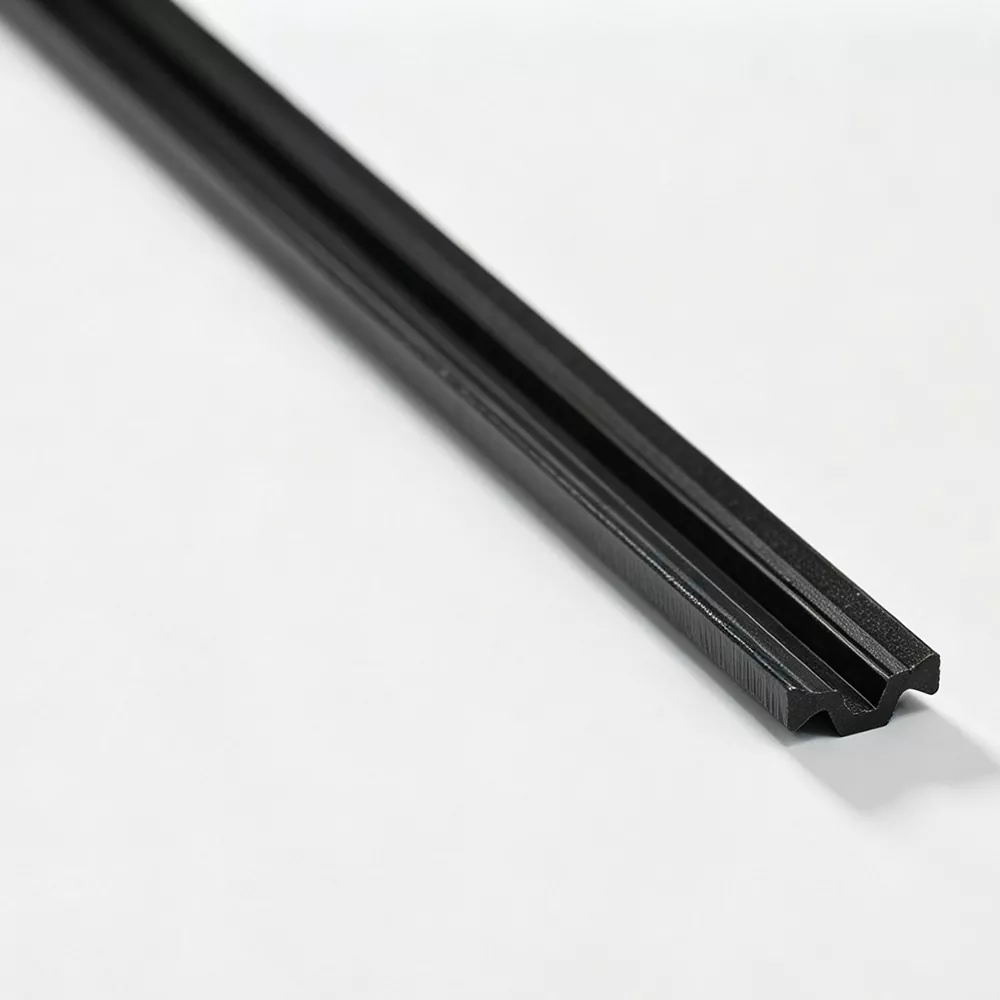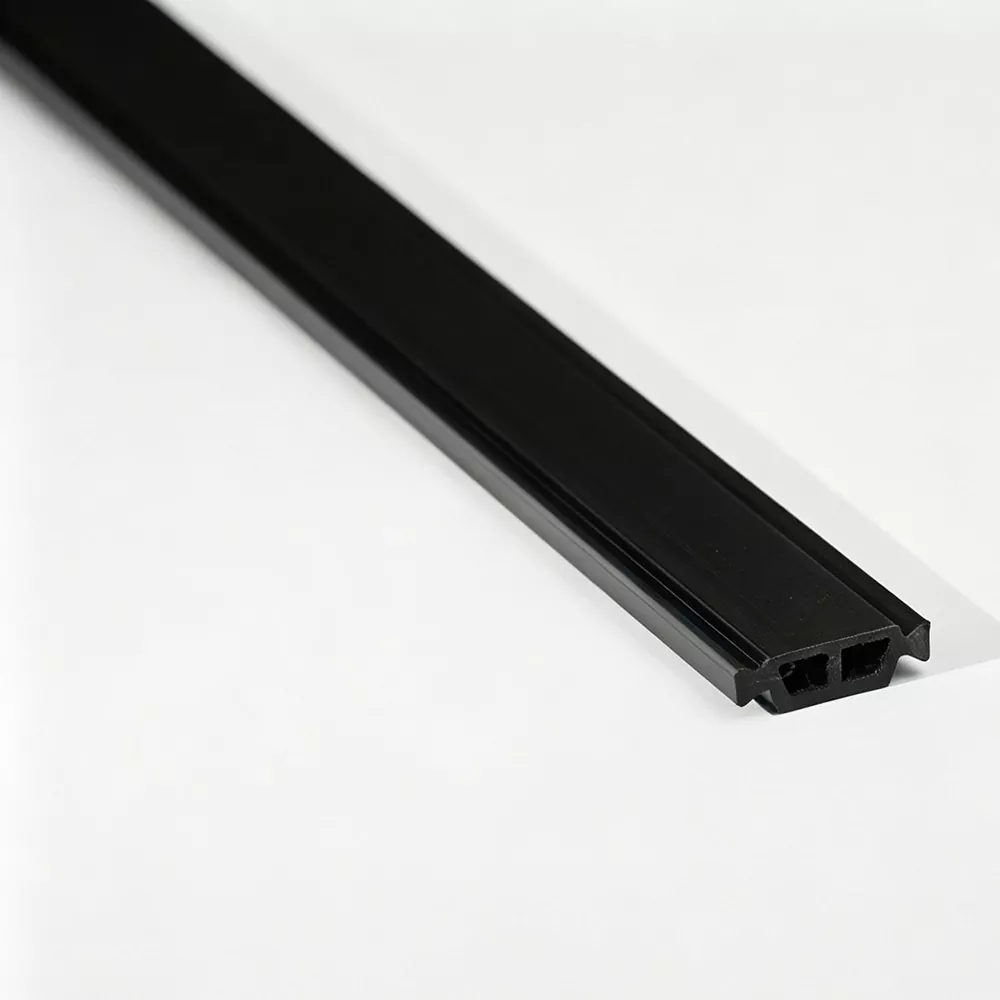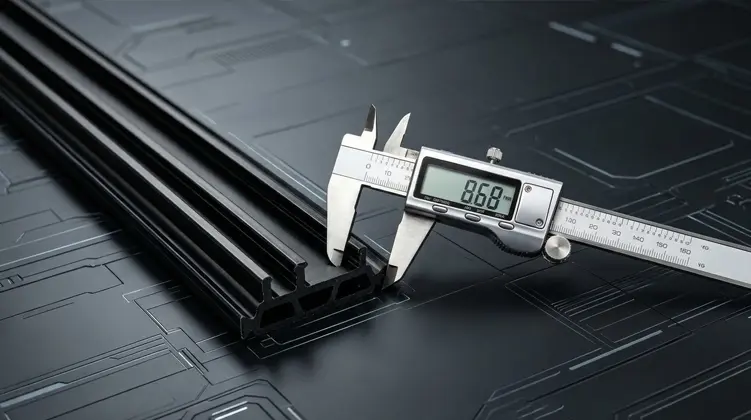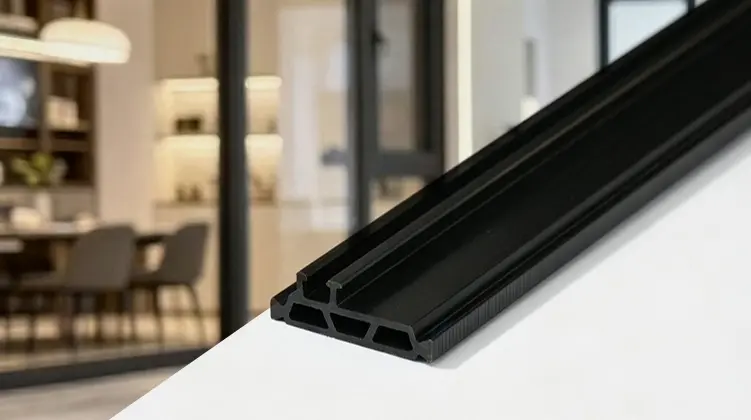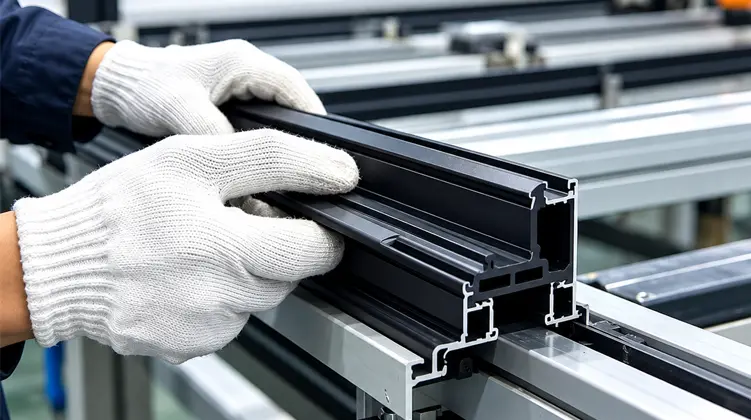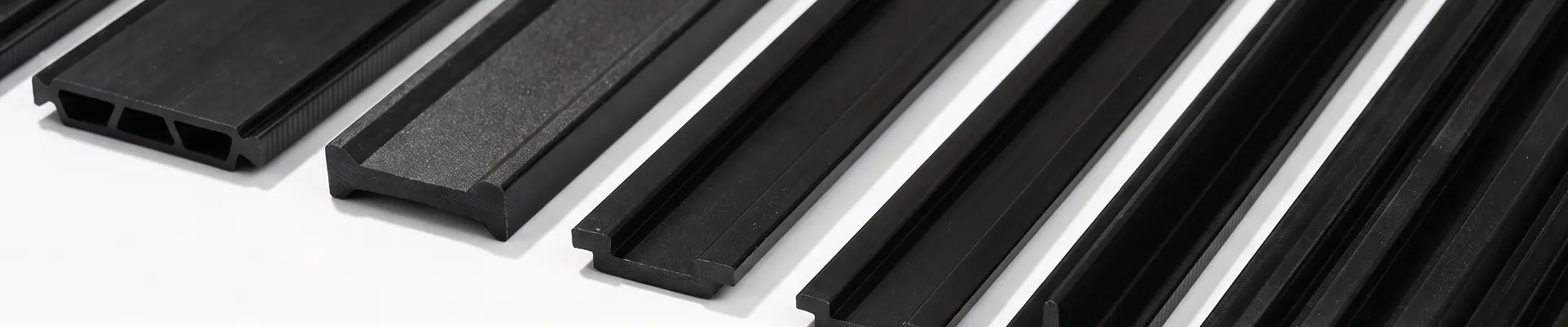
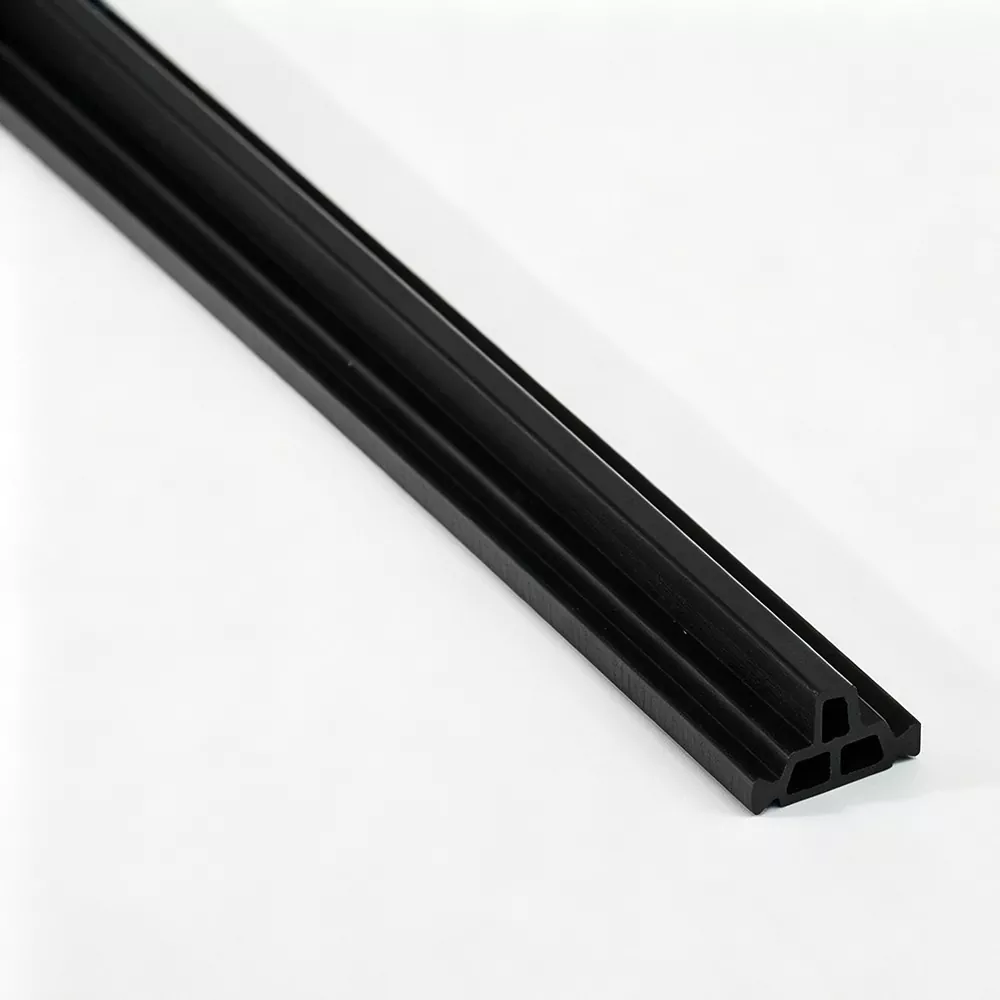
For curtain wall systems, the thermal break strip must remain stable within long aluminum sections while maintaining the designed separation between exterior and interior profile components. Jinxing, a China manufacturer, factory and supplier of PA66 thermal break profiles, produces the PA66 GF25 Curtain Wall Thermal Break Strip according to the actual curtain wall extrusion, including cavity size, locking geometry and assembly conditions.
Curtain wall framing commonly uses vertical mullions and horizontal transoms with different aluminum cross-sections. Our thermal break strips therefore need to follow the geometry of each extrusion rather than rely on one universal profile.
The strip needs to maintain its position through:
· Profile insertion
· Mechanical rolling
· Section joining
· Long-length handling
· Final system assembly
The PA66 GF25 Curtain Wall Thermal Break Strip separates the aluminum sections and interrupts the direct metal path between the exterior and interior sides of the frame. In a curtain wall, this thermal break works together with the aluminum profile, glazing, gaskets and other system components.
25% glass-fiber reinforcement increases the rigidity of PA66, helping the strip withstand insertion and rolling forces during curtain wall profile assembly.
Stable cross-sectional dimensions are important for long curtain wall extrusions. Consistent width, thickness and locking areas help maintain the intended fit between the polyamide strip and aluminum profile.
Jinxing's glass-fiber orientation process is designed to support both longitudinal strength and transverse shear resistance, helping the strip remain stable during profile processing.
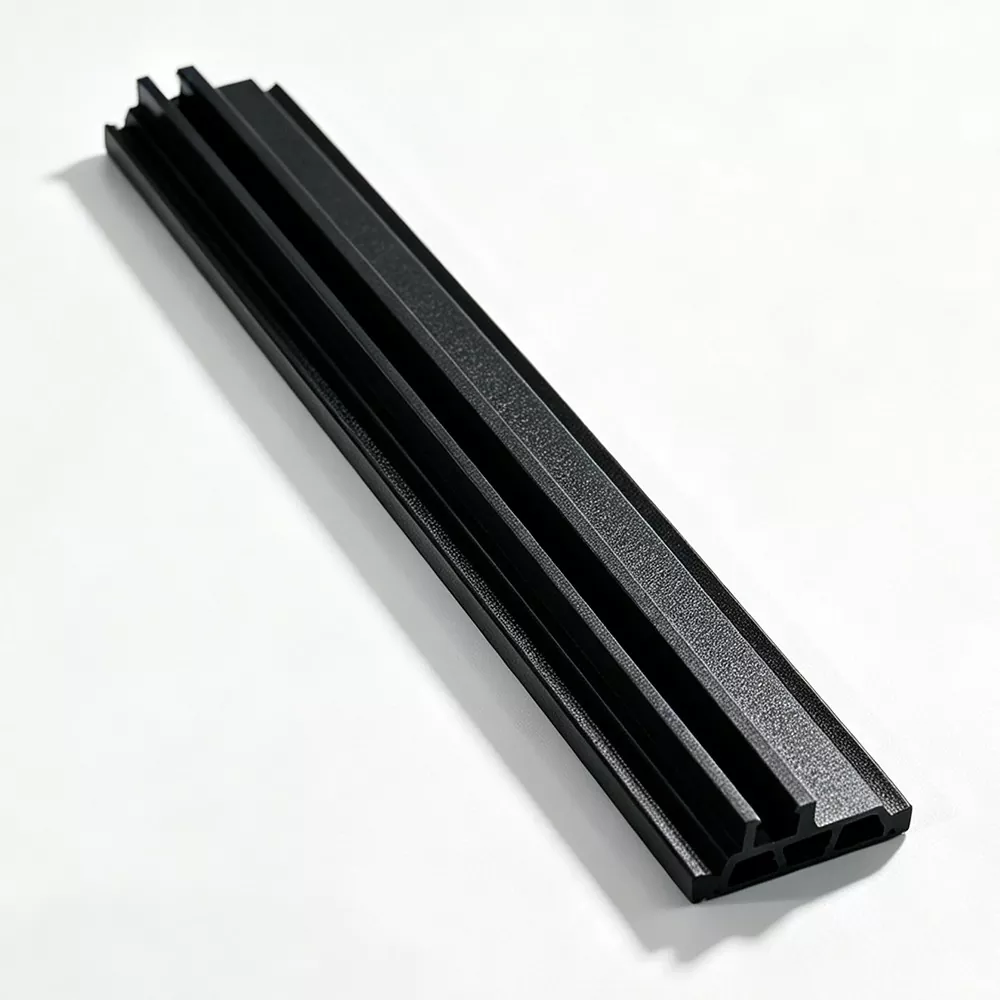
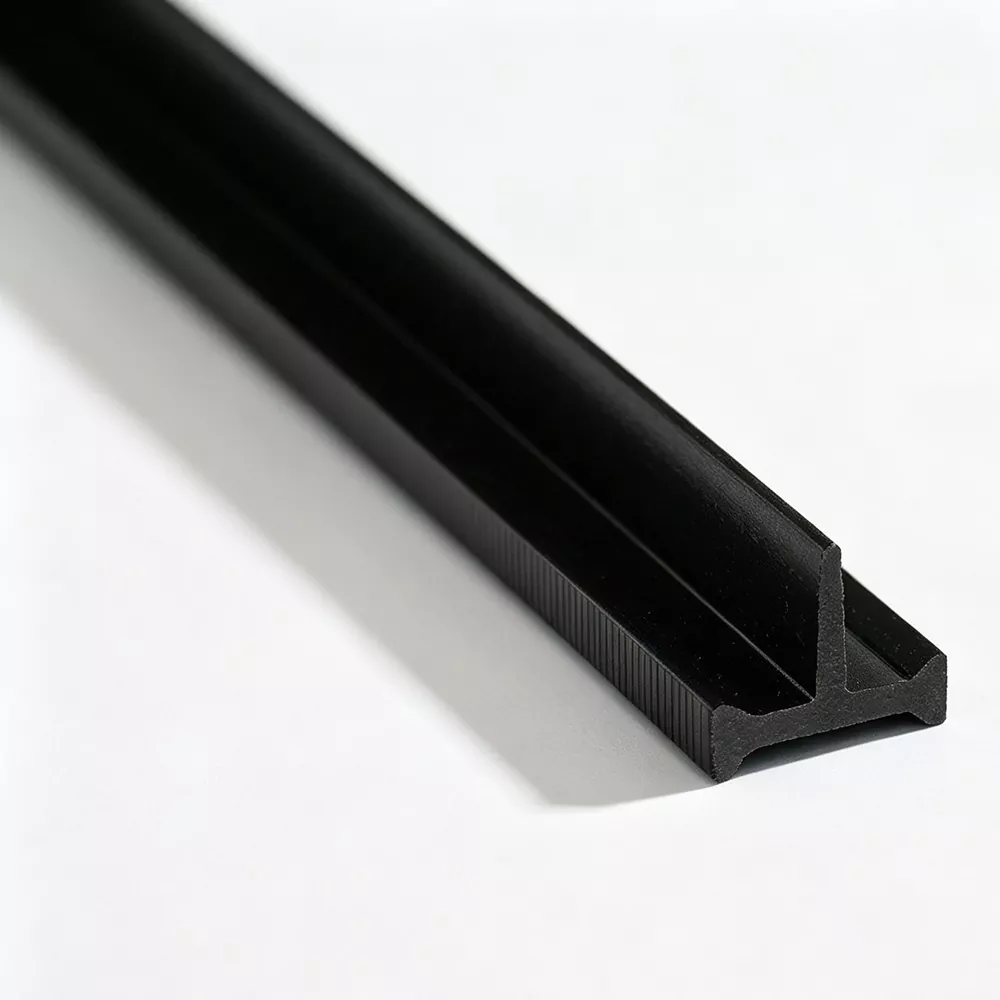
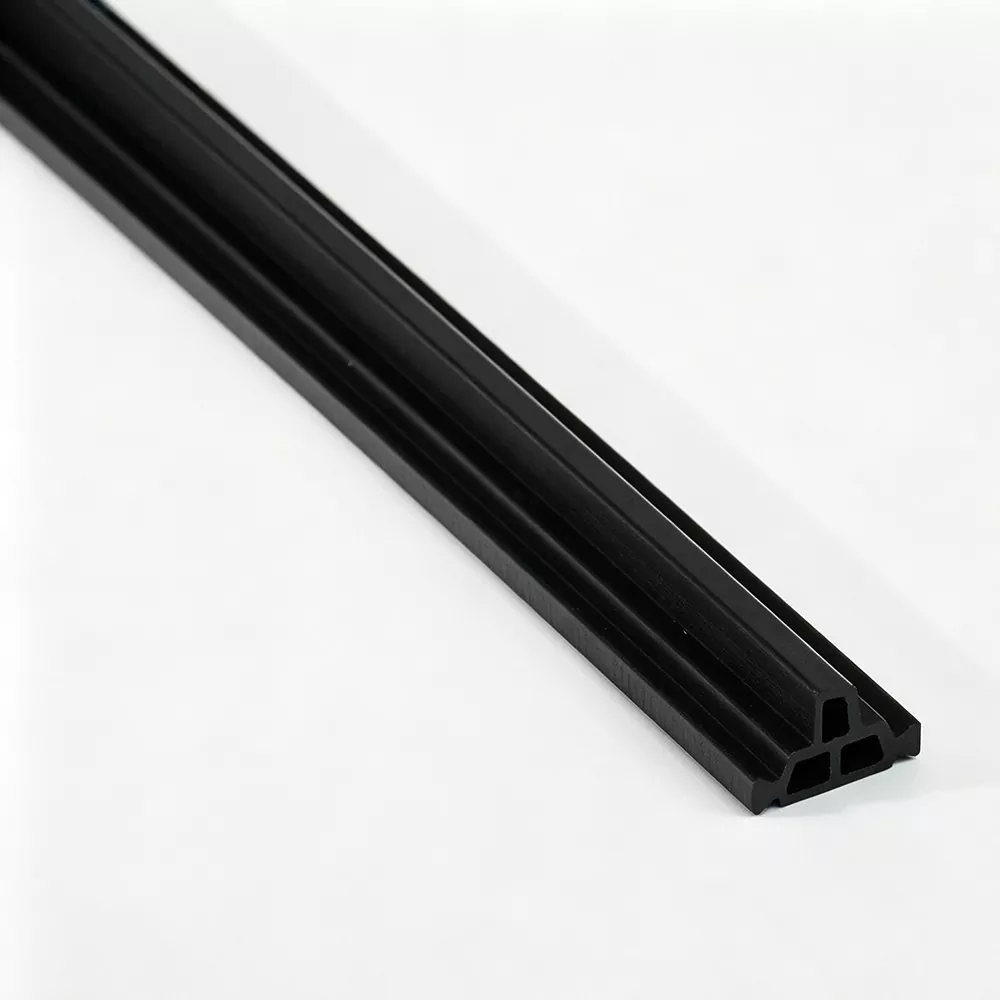
The correct strip should be selected from the complete aluminum section.
|
Profile Factor |
What It Determines |
|
Cavity width |
Overall strip dimension |
|
Strip thickness |
Thermal break spacing |
|
Locking geometry |
Mechanical engagement |
|
Profile depth |
Available installation space |
|
Assembly method |
Insertion and rolling requirements |
For non-standard curtain wall sections, Jinxing can develop the required profile from an aluminum extrusion drawing or physical sample.
For vertical aluminum framing sections requiring thermal separation between interior and exterior profile parts.
For horizontal framing members where the thermal break profile must correspond to the specific extrusion design.
For curtain wall systems using special aluminum sections, Jinxing can produce customized thermal break geometries rather than limiting selection to standard shapes.
Jinxing controls the main production stages from PA66 and glass-fiber material preparation through extrusion, cooling, shaping and precision cutting.
During production, samples are checked for cross-sectional dimensions and surface defects. Process parameters such as extrusion temperature, pulling speed and cooling conditions are controlled to maintain profile consistency.
Raw materials can be checked for melt flow index, glass-fiber content and moisture before extrusion.
Finished PA66 GF25 Curtain Wall Thermal Break Strips are inspected for appearance and dimensions, while applicable properties such as longitudinal and transverse tensile strength, thermal aging and water resistance can be evaluated according to the required specification.
Jinxing can work from the actual curtain wall extrusion rather than selecting a thermal break strip only by application or nominal width.
The process from material preparation to extrusion, cooling and cutting is managed internally, supporting consistent profile dimensions.
For profile manufacturers, Jinxing can assist with strip insertion, profile slot design and roll-forming issues such as cracking or insufficient mechanical engagement.
Customization can include:
· Cross-sectional geometry
· Width and thickness
· Locking details
· Special colors
· Cut length
· Packaging
· Laser coding
The development process can move from profile drawing → tooling → trial extrusion → dimensional confirmation → mass production.
It is a glass-fiber-reinforced polyamide profile used to thermally separate aluminum sections in curtain wall framing systems.
The 25% glass-fiber reinforcement provides rigidity and mechanical stability needed for profile insertion and assembly.
Not necessarily. Mullion and transom profiles can have different cavity and locking structures, so the strip should be matched to each extrusion.
Yes. Customized sections can be developed according to aluminum profile drawings or physical samples.
No. It is one component of the complete system. Aluminum profile geometry, glazing, gaskets, seals and installation also affect the final thermal performance.
An aluminum profile drawing or sample, required strip dimensions, assembly method and applicable performance requirements are useful for profile development.
Address
Taozhou Town, Guangde City, Xuancheng City, Anhui Province, China
Tel