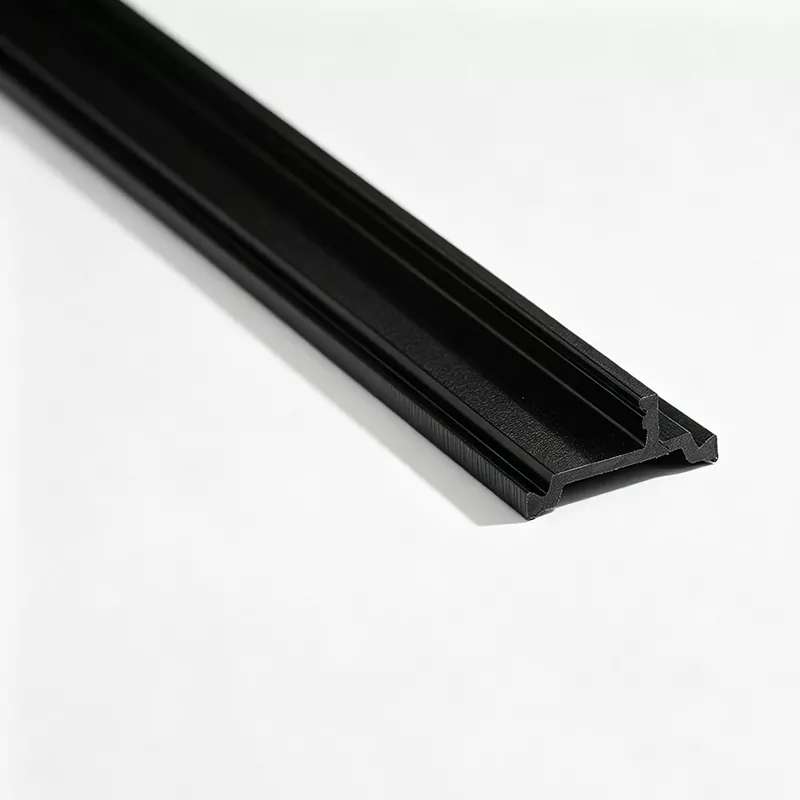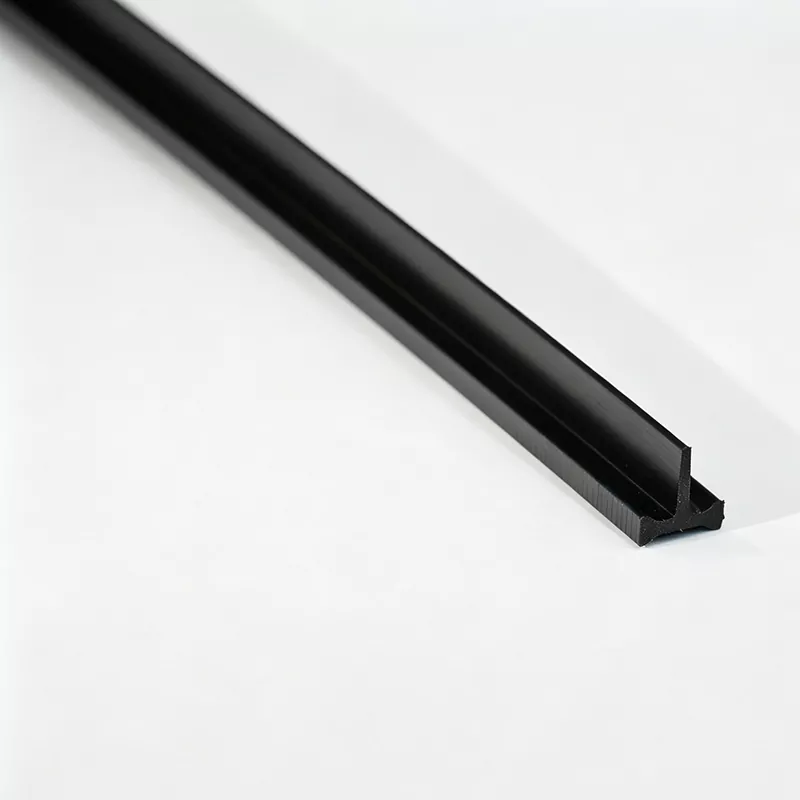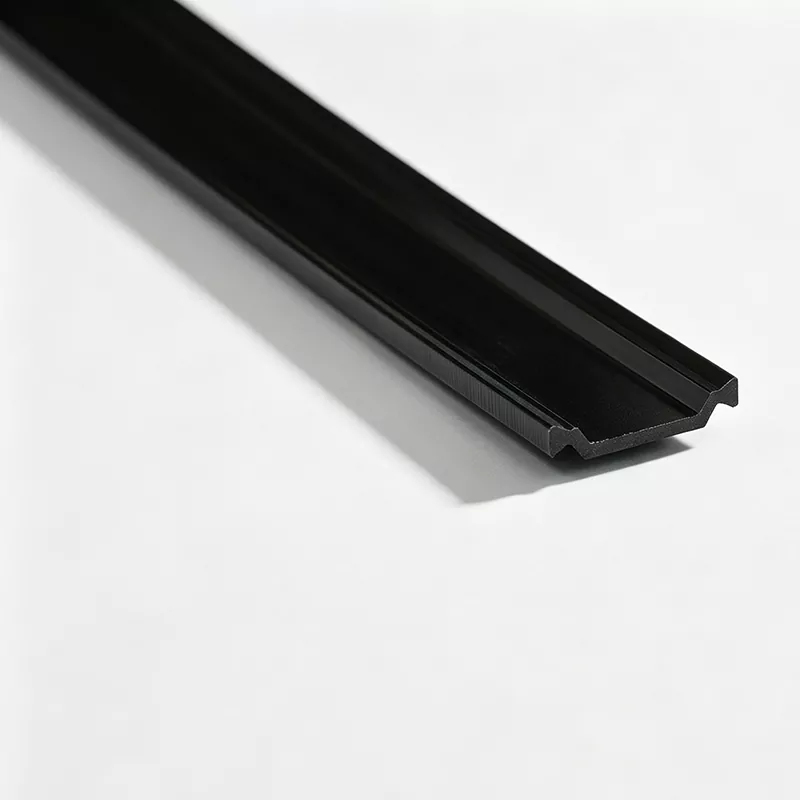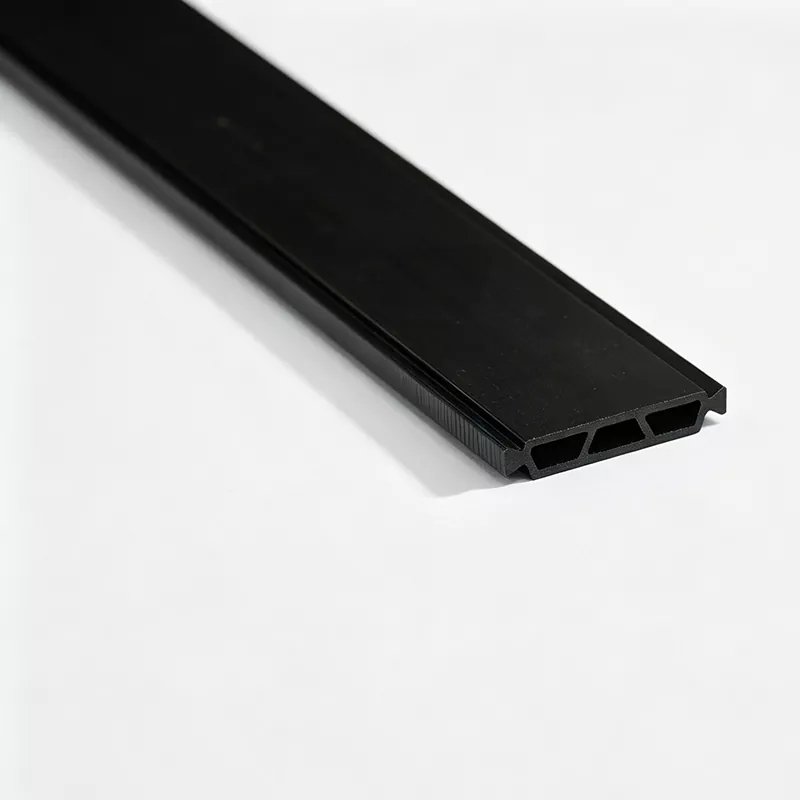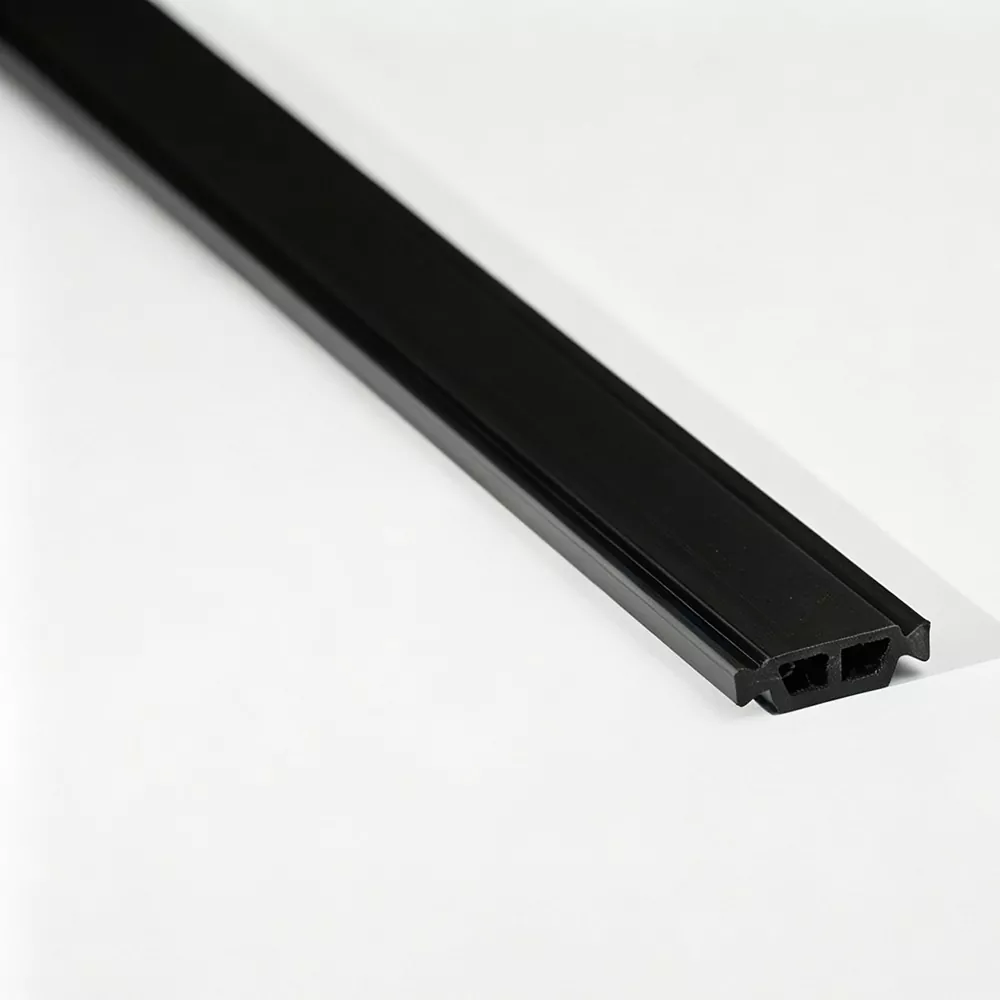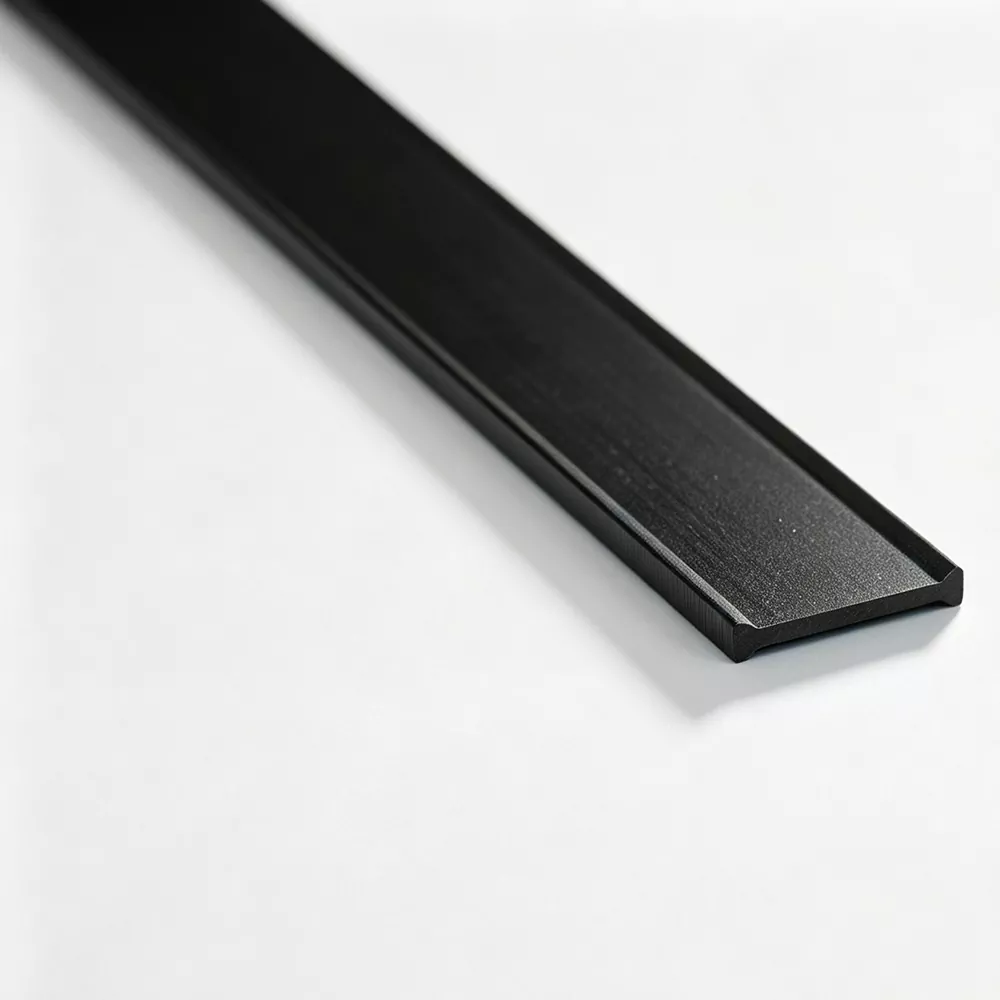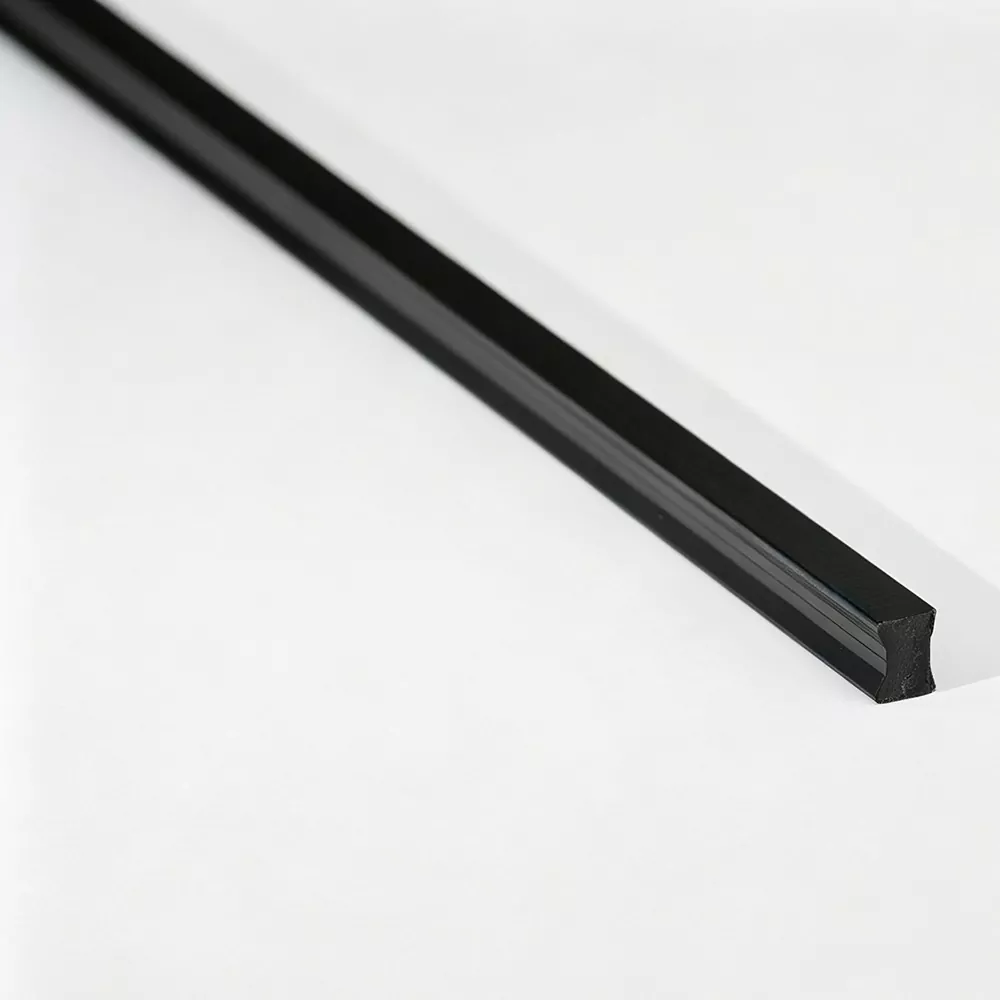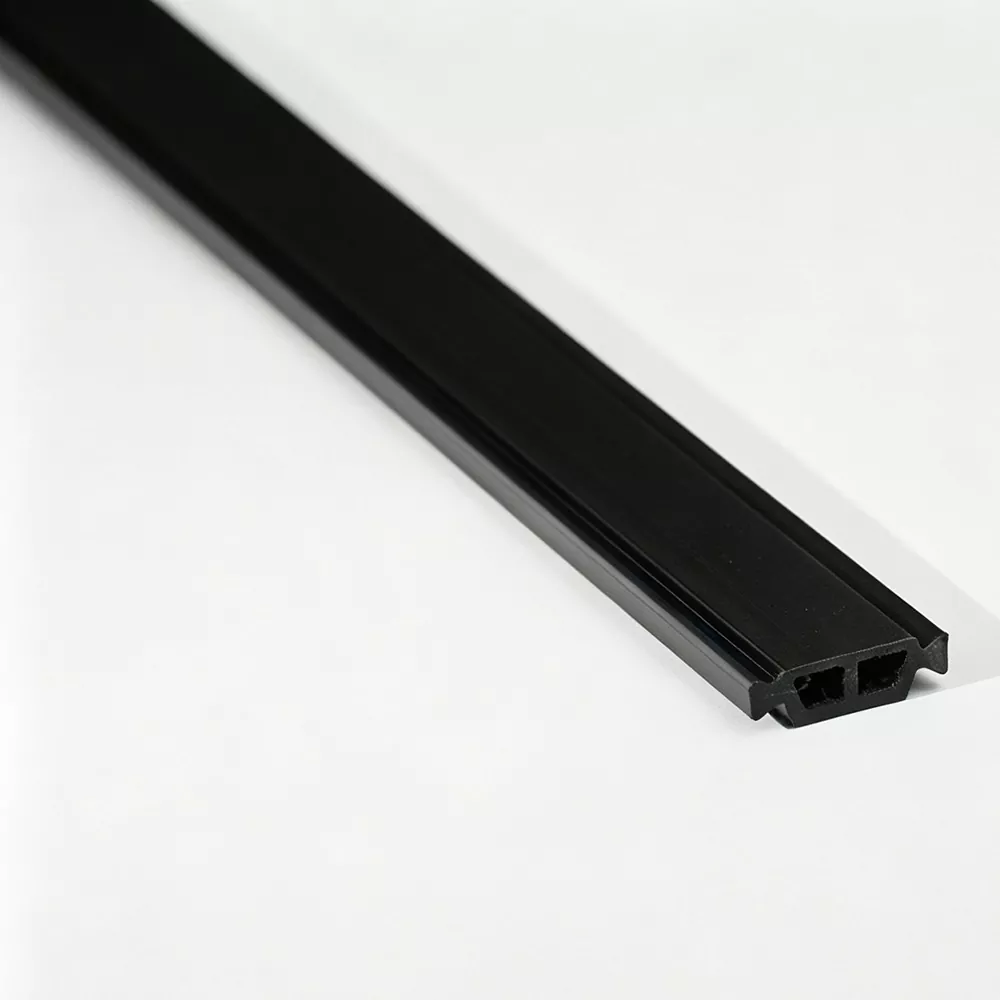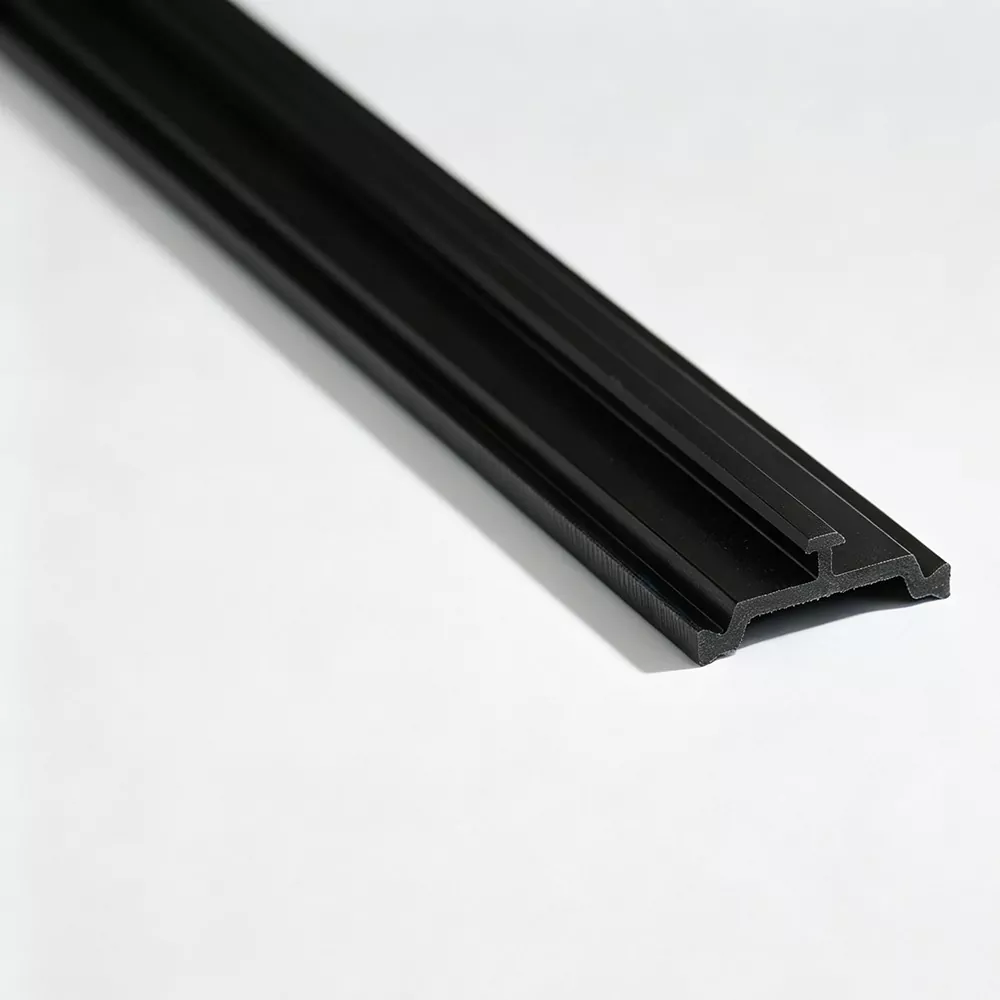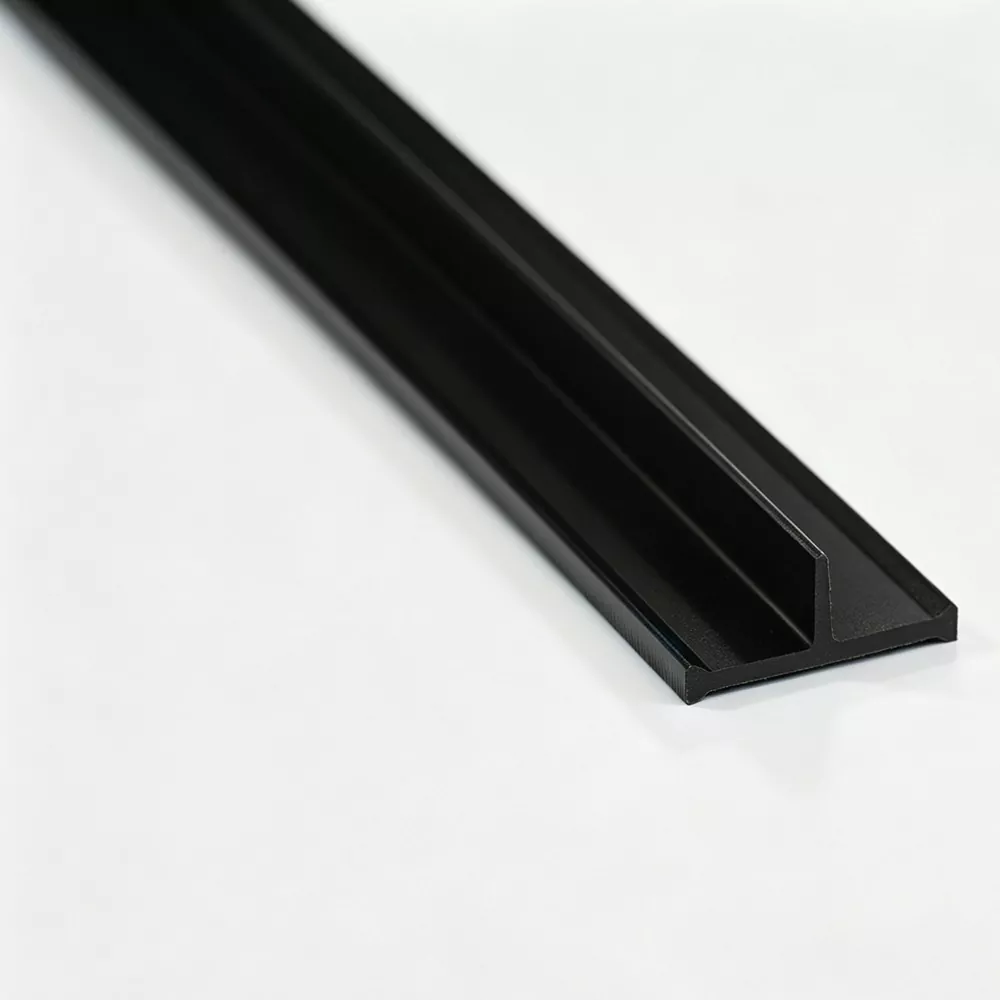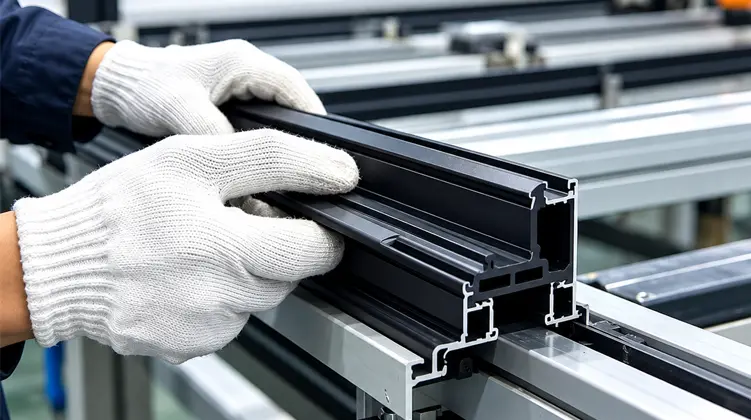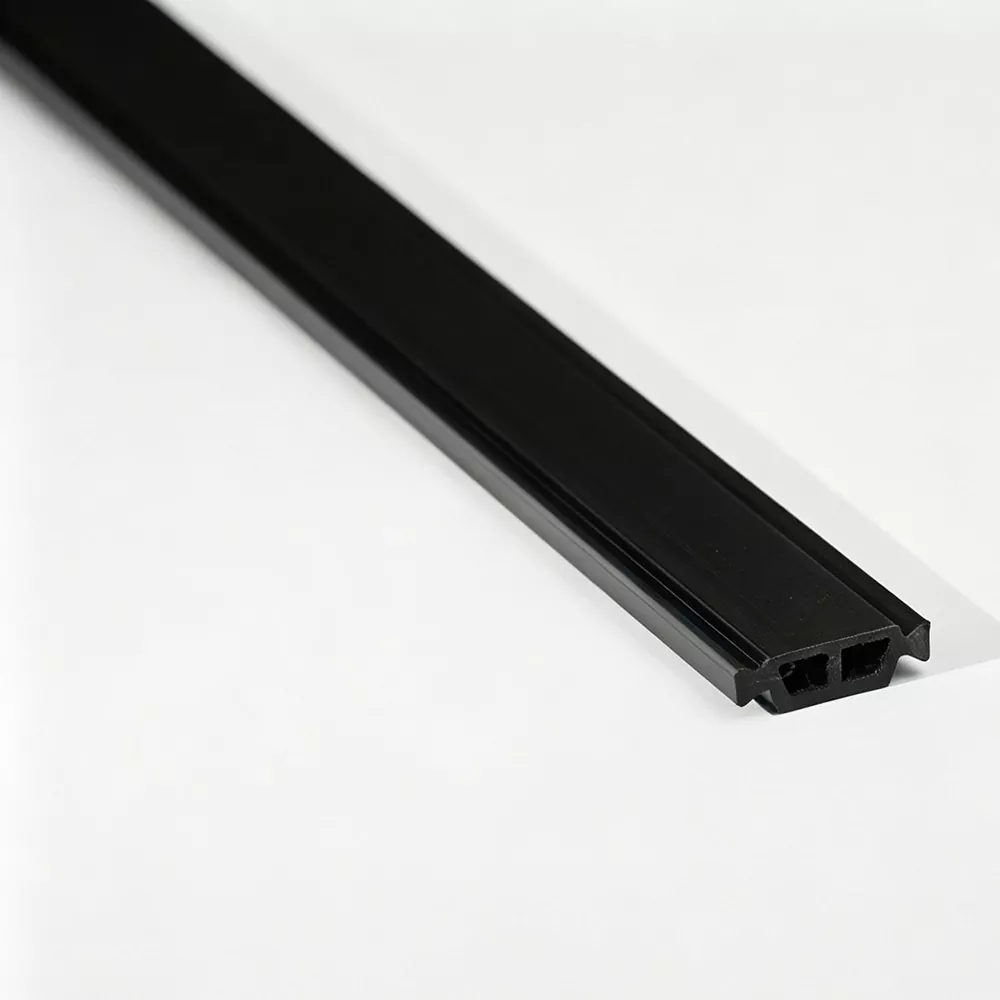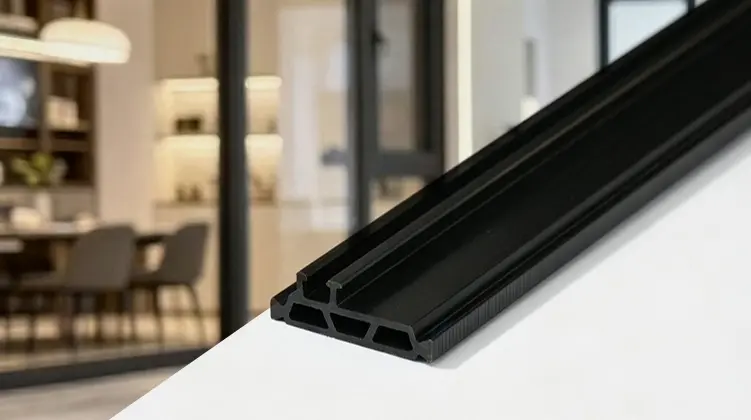
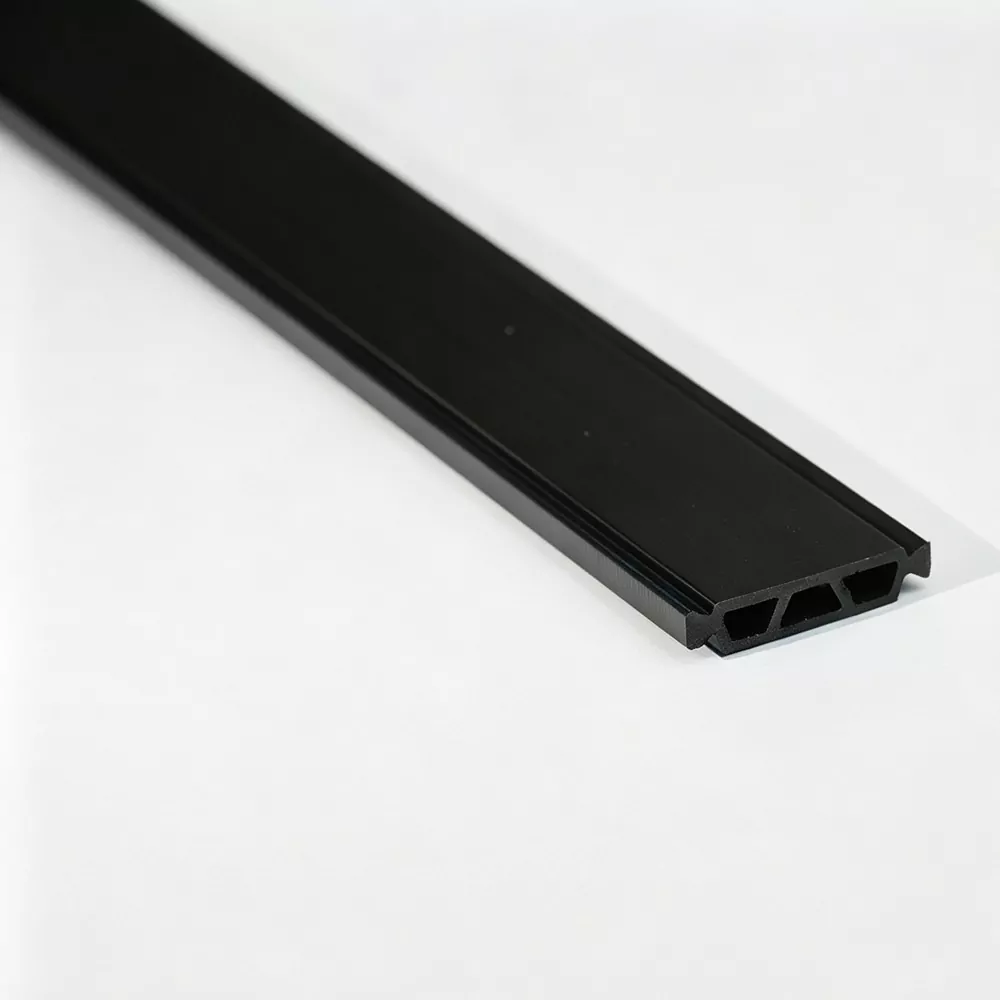
Thermal Break Strip for Aluminum Windows is the insulating component installed between separated aluminum sections in a thermally broken window frame. It creates a non-metallic barrier within the aluminum profile, helping reduce direct heat transfer through the frame while maintaining the mechanical connection between the two aluminum sections.
Jinxing manufactures these strips primarily from PA66 GF25, with the profile dimensions selected according to the aluminum window extrusion, groove configuration, and assembly method.
In a conventional aluminum window frame, aluminum provides a continuous metal path between the exterior and interior sides. A thermal break system interrupts this path by inserting a polyamide strip between two aluminum sections.
The strip therefore has two important roles:
Thermal separation — limits direct metal-to-metal heat conduction across the frame.
Profile connection — works with the aluminum extrusion to maintain the designed relationship between the two frame sections after assembly.
The performance of the complete window depends on the aluminum profile, glass, seals, thermal break strip, and assembly method together. The strip should therefore be specified according to the complete window profile rather than selected as an isolated component.
· PA66 GF25 Construction — Glass fiber reinforcement provides the stiffness and mechanical strength required for aluminum window profile assembly.
· Profile-Matched Dimensions — Width, thickness, and section geometry can be produced according to the mating aluminum extrusion.
· Consistent Insertion Geometry — Controlled extrusion helps maintain the dimensions required for fitting the strip into the aluminum profile.
· Thermal Separation — The polyamide section interrupts the direct metal path between the inner and outer aluminum sections.
· Processing Compatibility — The profile is designed to accommodate insertion and subsequent mechanical joining of aluminum sections.
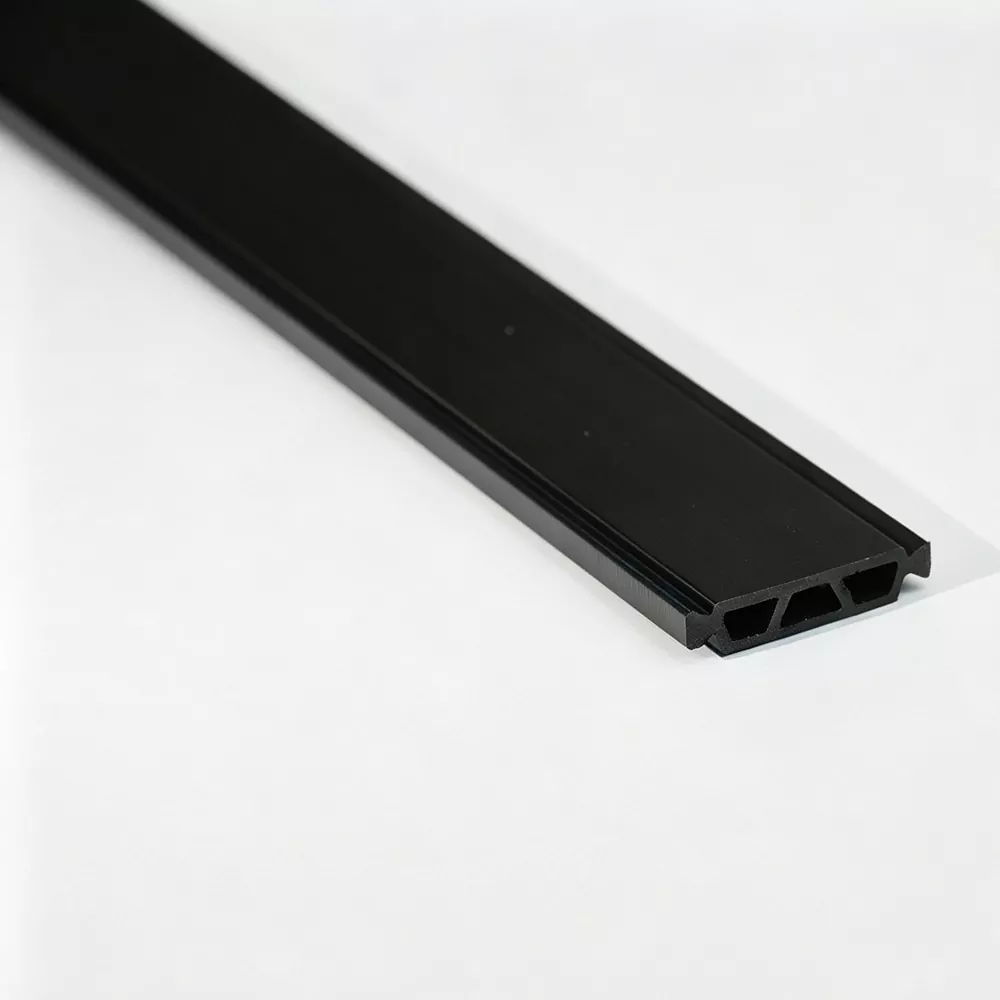
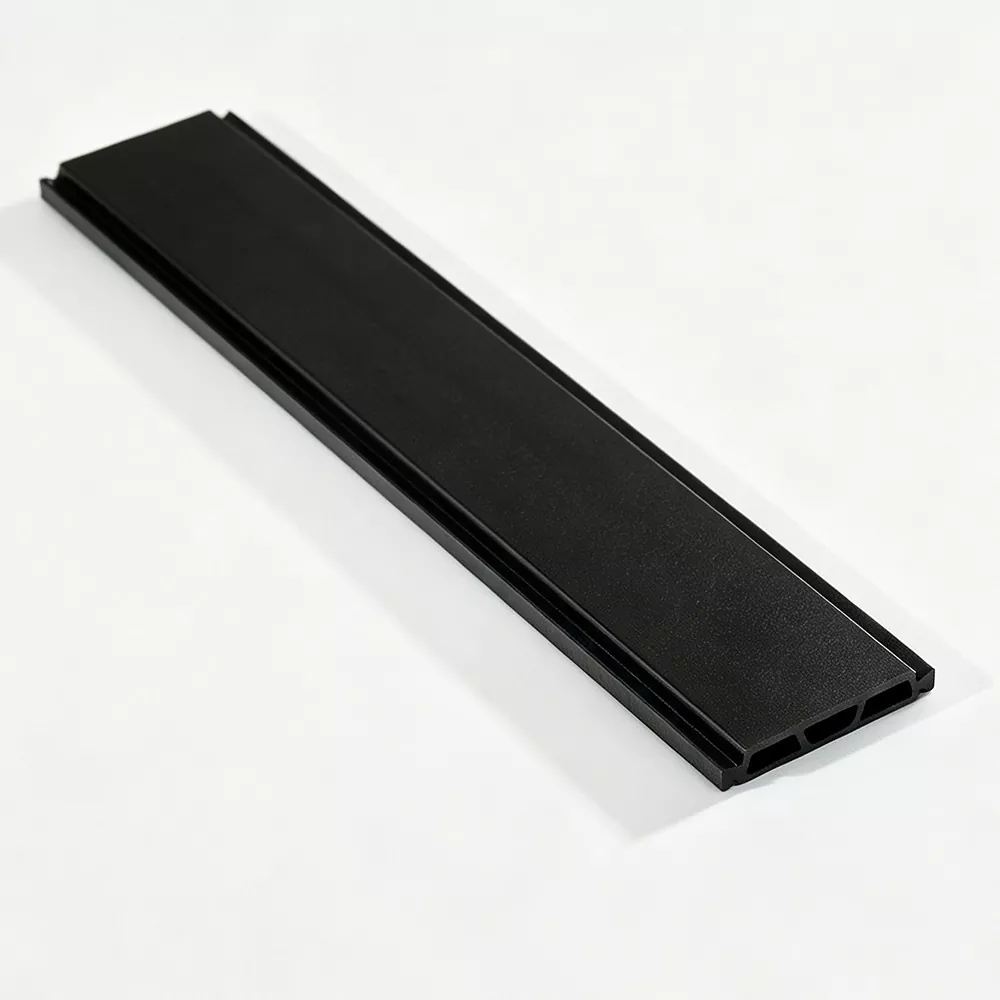
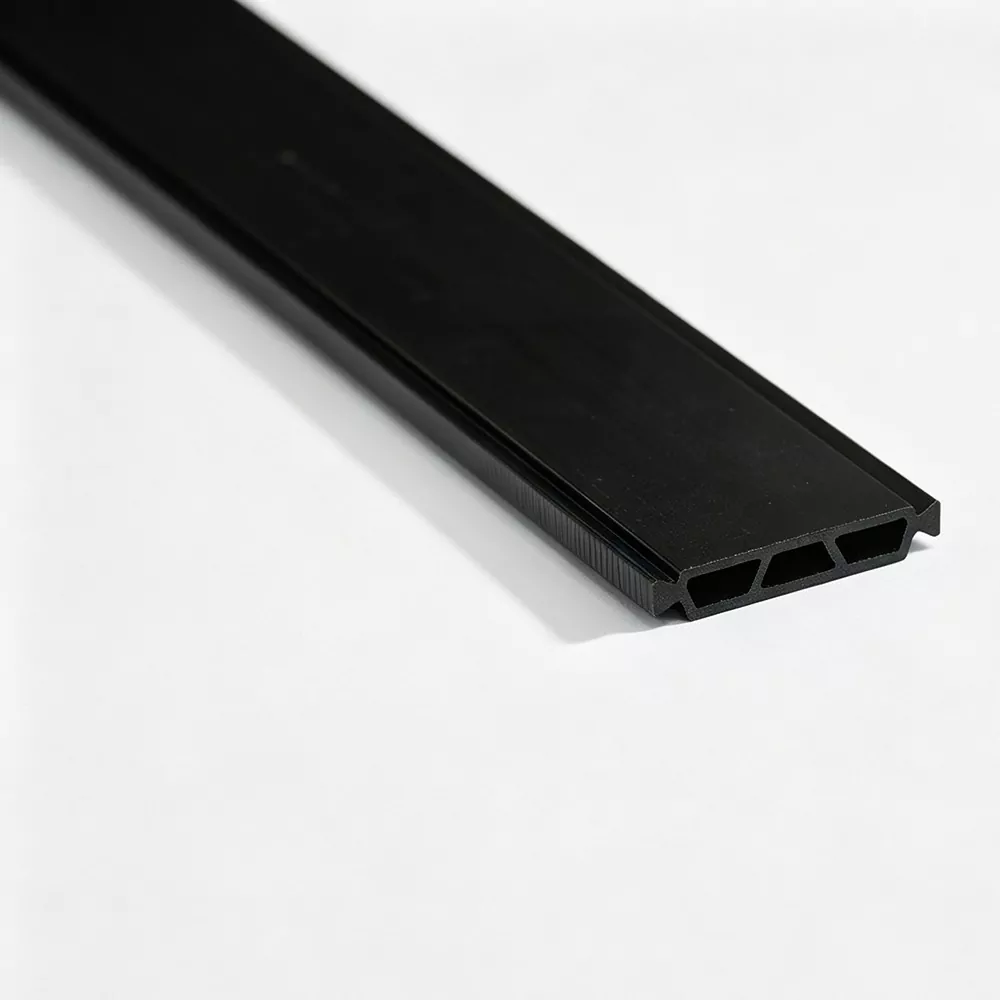
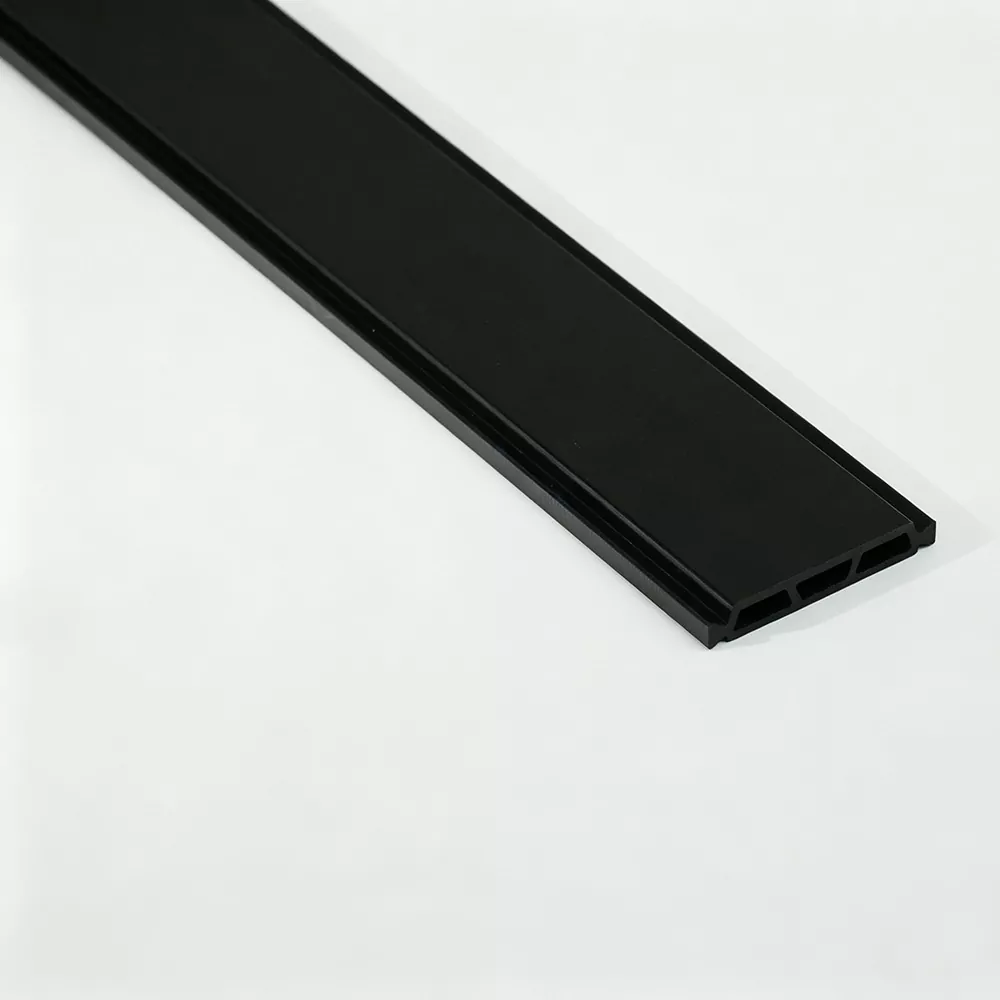
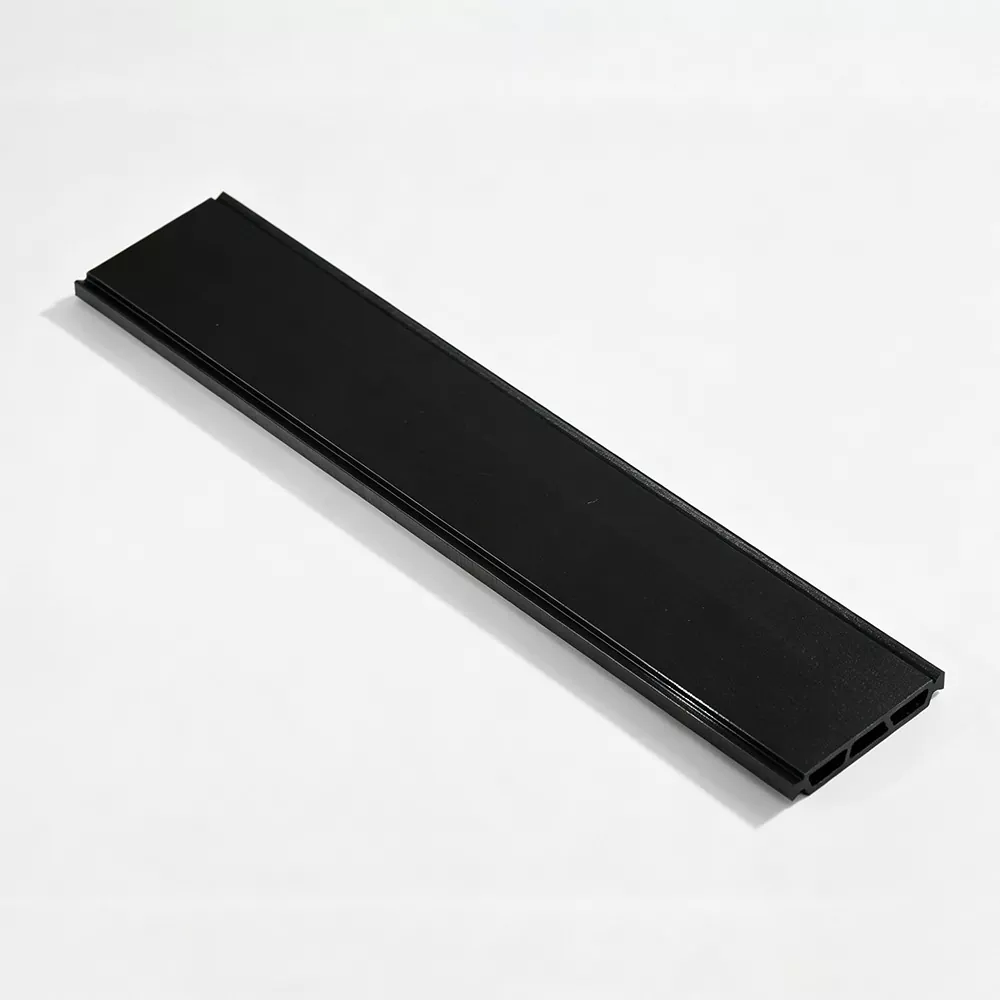
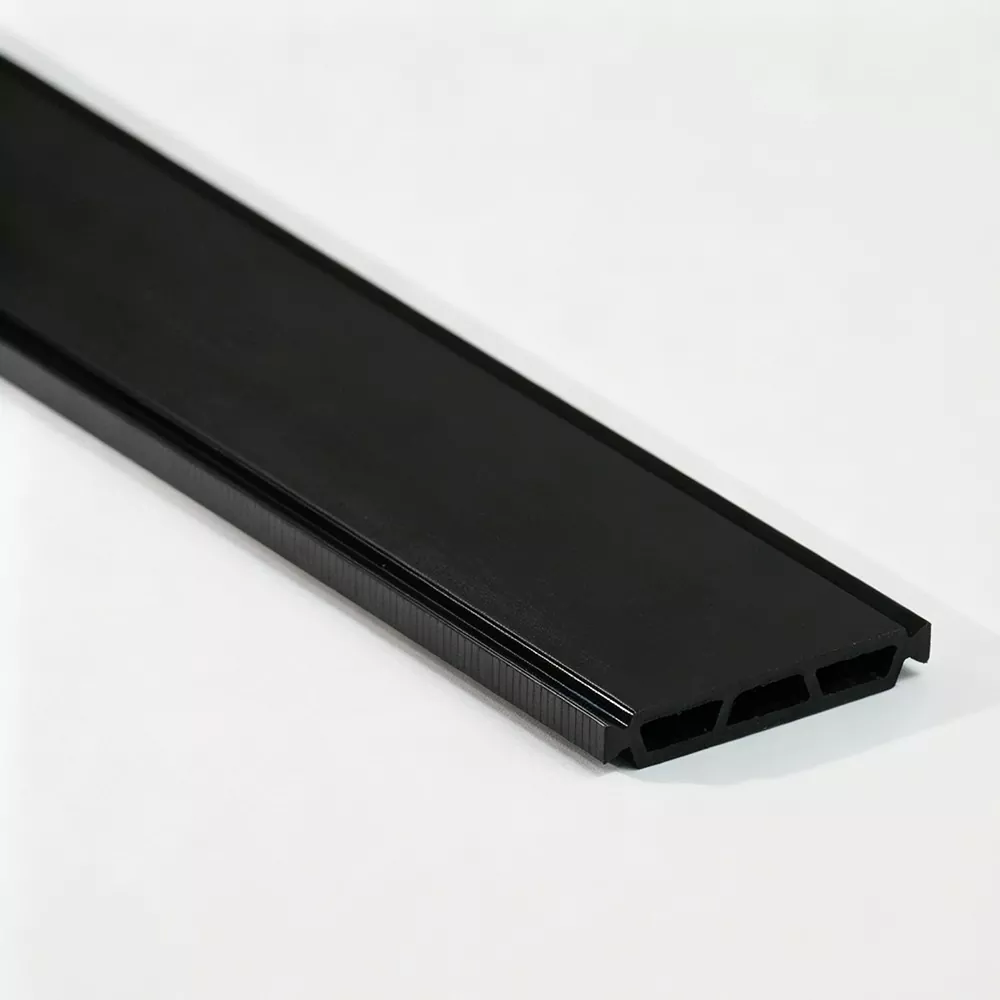
Correct strip selection starts with the aluminum extrusion, not simply the required strip width.
Before production, the following dimensions should normally be confirmed:
· Aluminum profile groove width
· Groove depth
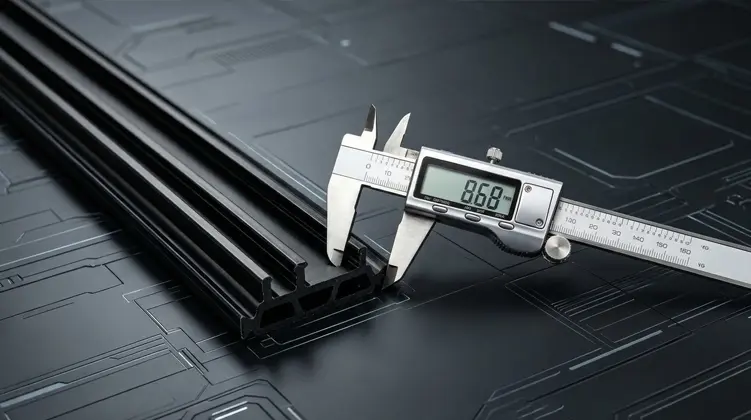
· Strip width and thickness
· Locking or serrated geometry
· Distance between the two aluminum sections
· Required strip length
· Assembly and rolling method
For newly developed window profiles, Jinxing can review the aluminum extrusion drawing and determine the corresponding thermal break strip section.
Jinxing uses PA66 GF25 as the main material for Thermal Break Strip for Aluminum Windows. The addition of 25% glass fiber increases the rigidity and mechanical strength of the polyamide material.
Material properties relevant to window profile applications can include tensile strength, hardness, thermal aging resistance, water resistance, and performance under temperature changes. Specific testing requirements can be agreed according to the customer's profile and applicable standards.
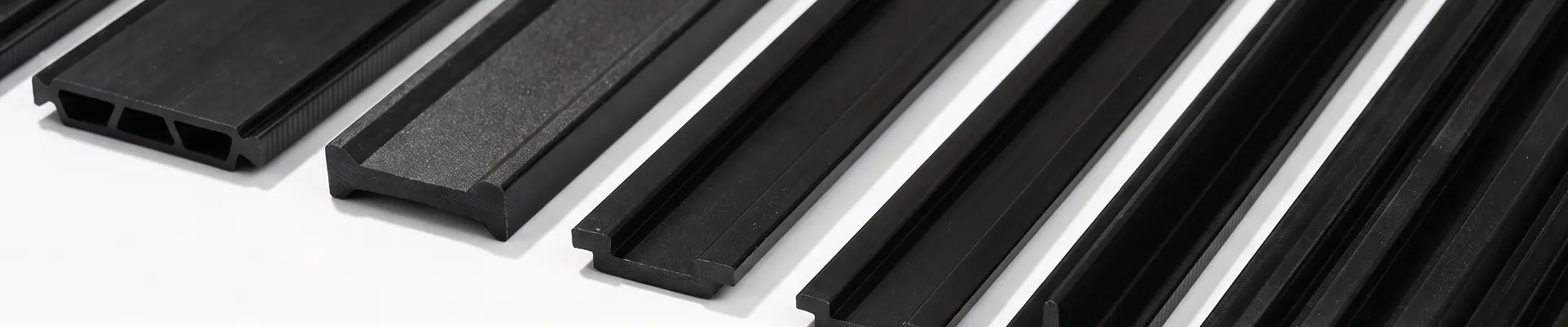
Different aluminum window systems require different strip geometries. Jinxing can provide:
|
Profile Type |
Application Requirement |
|
I-Type |
Straightforward profile connection structures |
|
C-Type |
Profiles using a C-shaped insertion section |
|
T-Type |
Window systems requiring a T-shaped section |
|
Special Sections |
Non-standard aluminum extrusion designs |
The final section should be confirmed against the actual aluminum profile drawing.
The Thermal Break Strip for Aluminum Windows must fit the aluminum groove correctly before the two sections are mechanically joined. An unsuitable width or locking geometry may result in difficult insertion, profile deformation, or insufficient connection after rolling.
For this reason, Jinxing can assist with checking strip dimensions against the customer's aluminum extrusion before mass production. For existing production lines, information about the insertion and rolling process can also help determine whether the proposed section is suitable.
For aluminum window applications, quality inspection focuses on the characteristics that directly affect profile assembly and service performance:
Section Dimensions
Critical dimensions are checked to ensure the strip matches the specified aluminum groove.
Surface Condition
The profile is inspected for visible defects that could affect insertion or appearance.
Mechanical Properties
Relevant tensile, hardness, and shear-related properties can be tested according to agreed requirements.
Thermal and Environmental Properties
Testing can include thermal aging, water resistance, and performance at specified temperatures where required.
Jinxing can manufacture thermal break strips based on:
· Aluminum extrusion drawings
· Existing strip samples
· Non-standard dimensions
· Special cross-sections
· Required colors
· Specified cutting lengths
· Customized packaging and laser marking
For OEM window profile projects, the strip section can be developed together with the customer's aluminum extrusion requirements.
It separates the interior and exterior aluminum sections of a thermally broken window frame and interrupts the direct metal heat-transfer path.
Jinxing primarily uses PA66 GF25, consisting of PA66 reinforced with 25% glass fiber.
The strip should match the aluminum extrusion's groove width, depth, locking structure, and assembly method. An aluminum profile drawing is the most useful reference.
Yes. Jinxing can develop the required strip section and tooling based on an aluminum extrusion drawing or sample.
Yes. Jinxing produces I-Type, C-Type, T-Type, and special-shaped thermal break profiles according to the required aluminum profile design.
Yes. Jinxing supports customized cutting according to the customer's processing and assembly requirements.
Address
Taozhou Town, Guangde City, Xuancheng City, Anhui Province, China
Tel