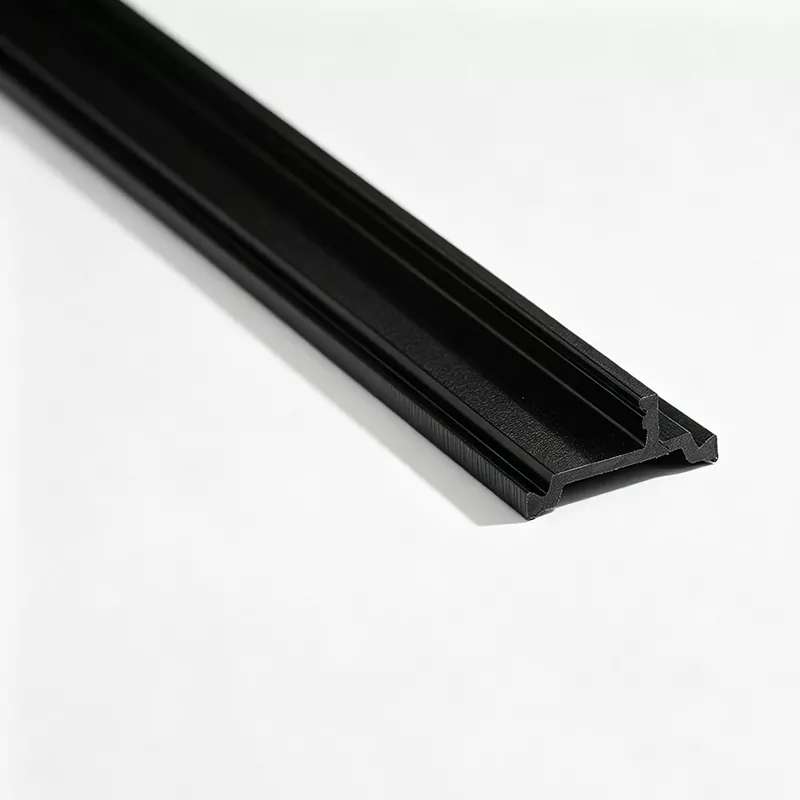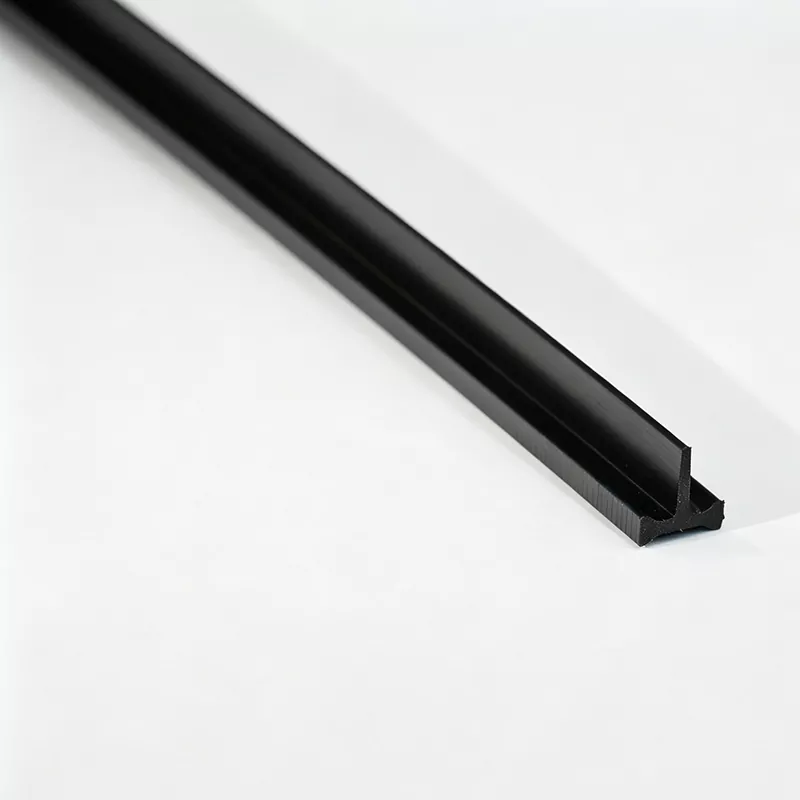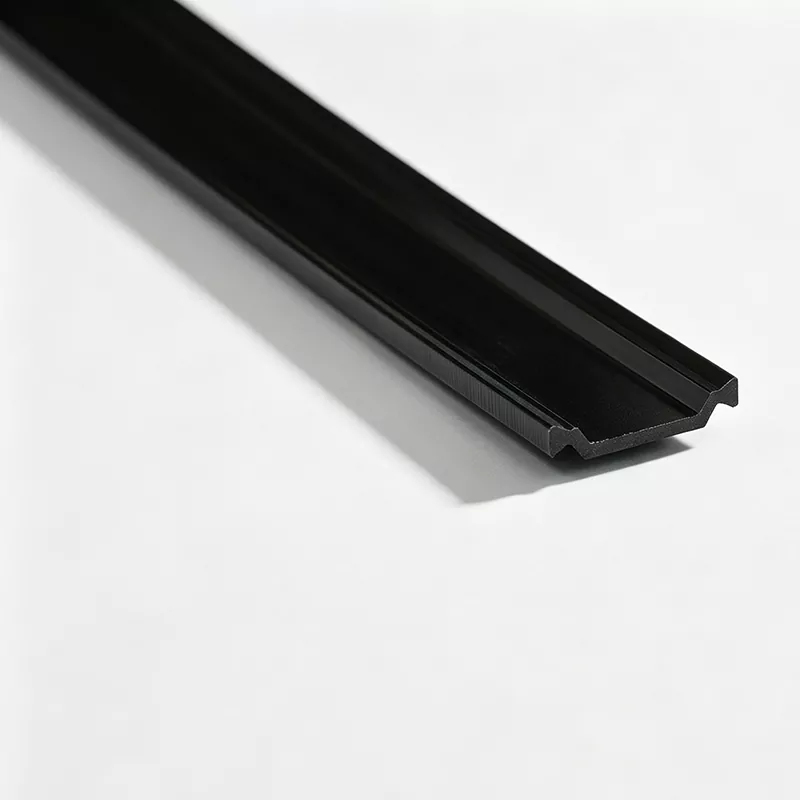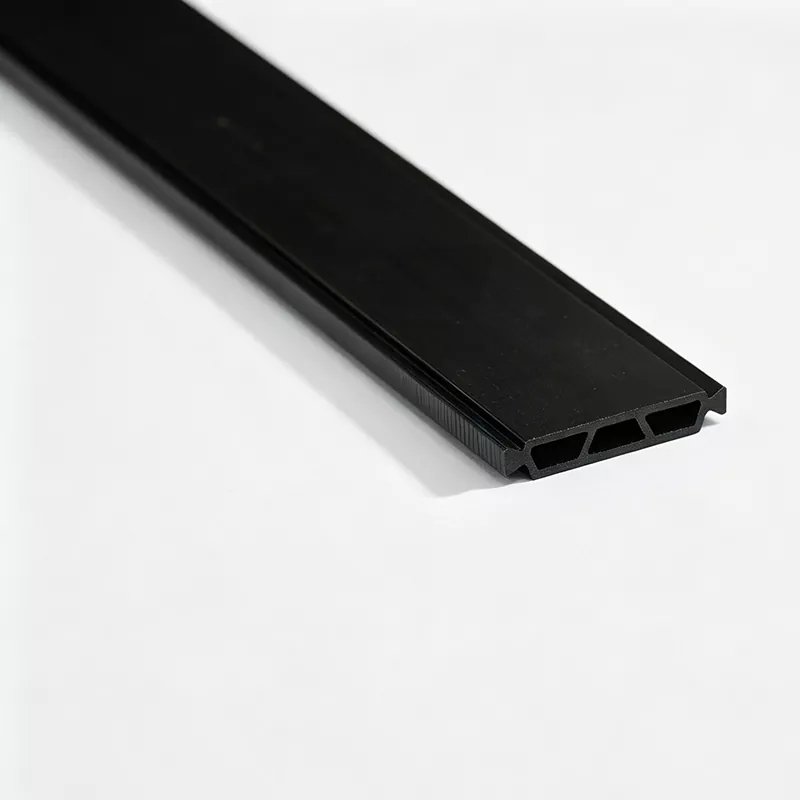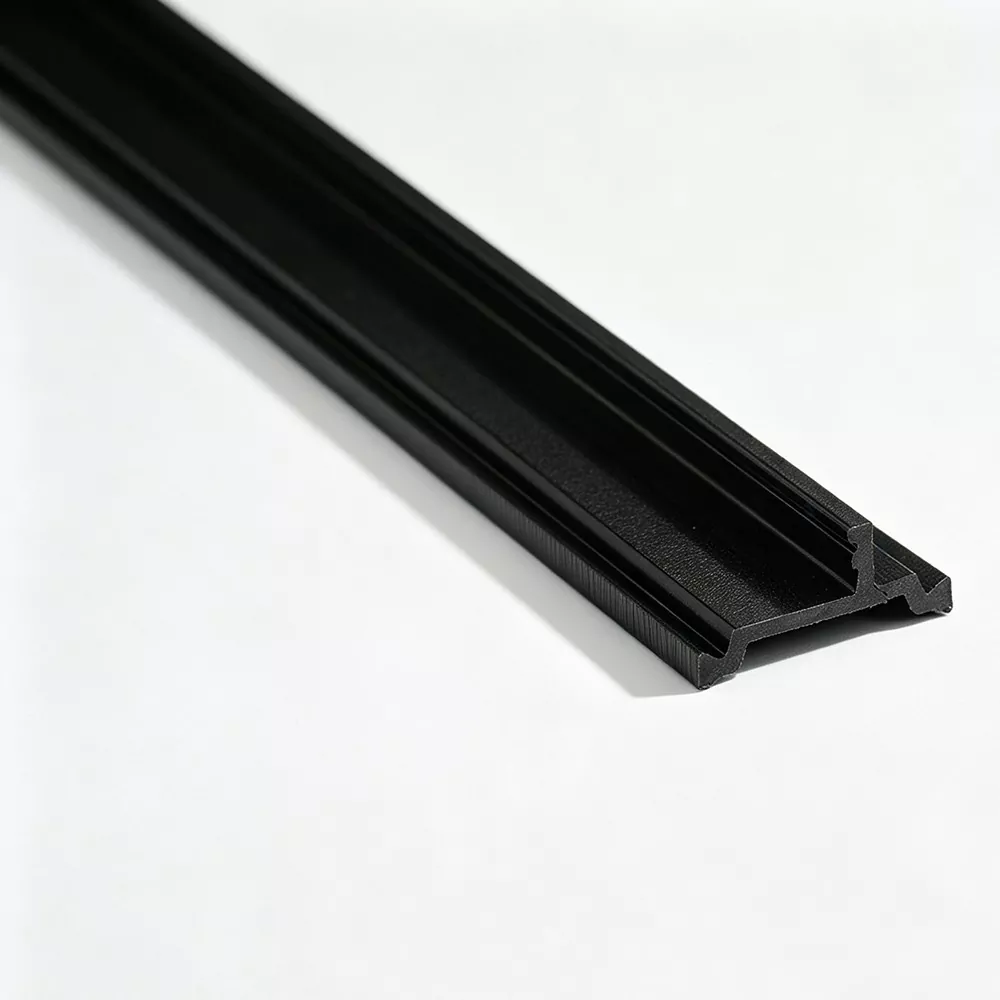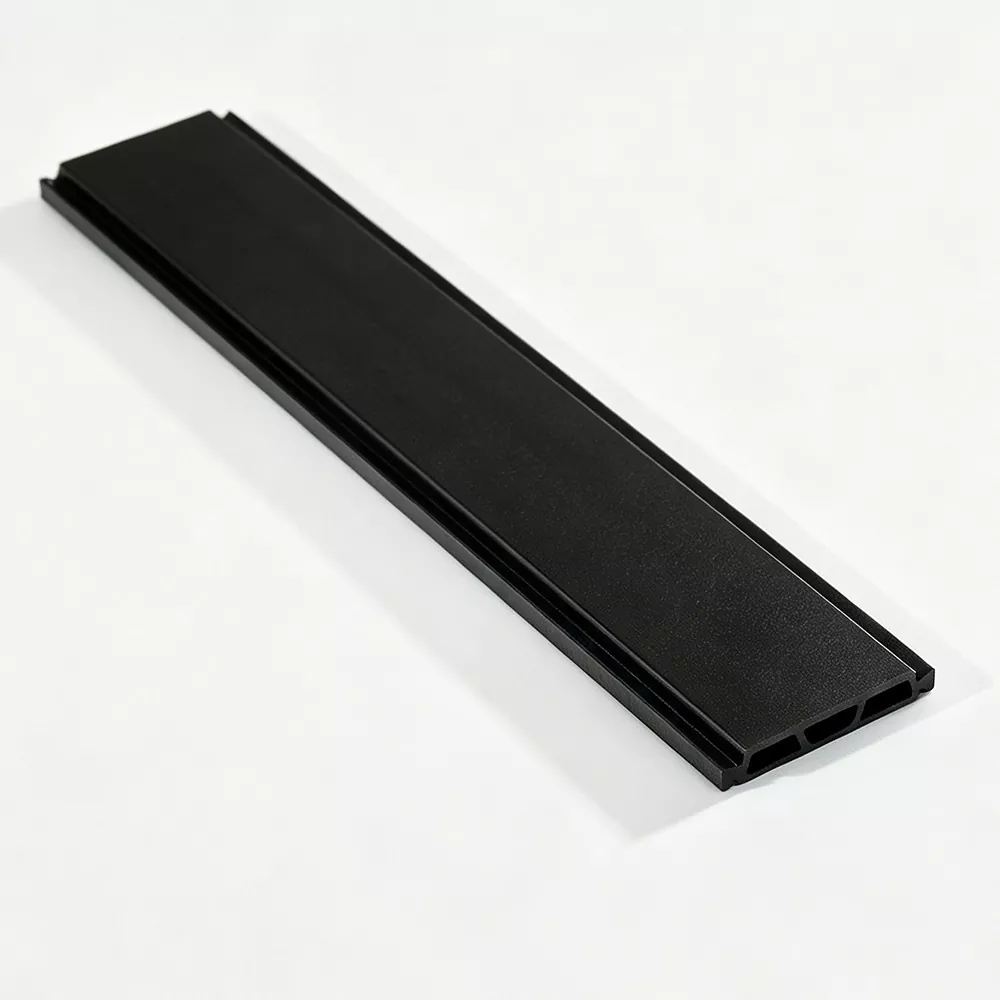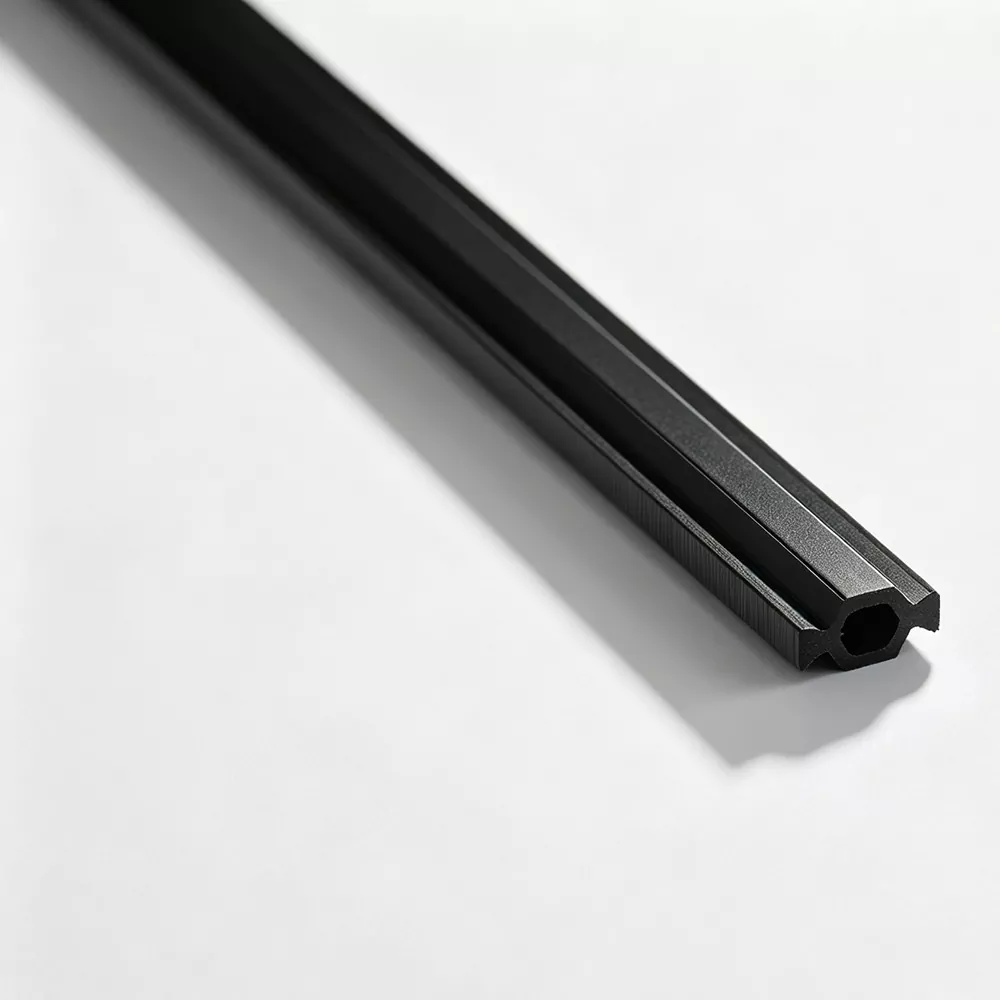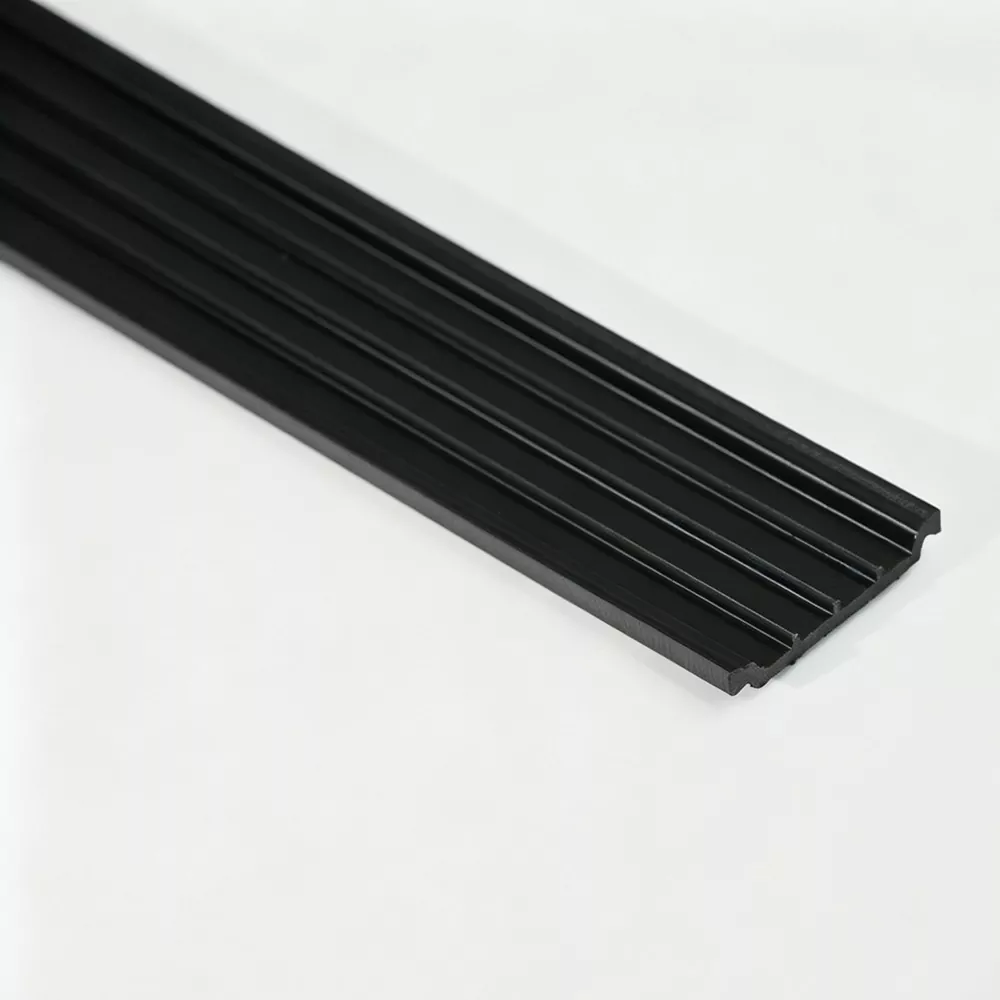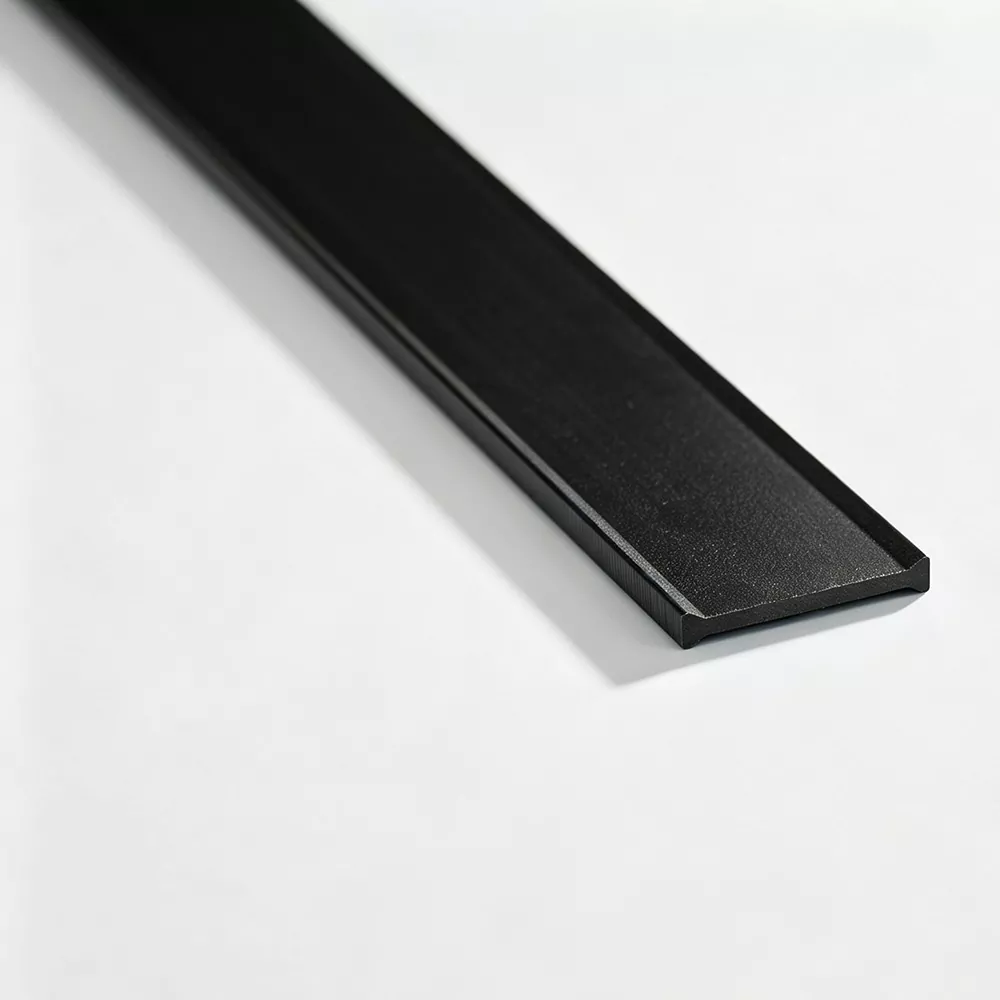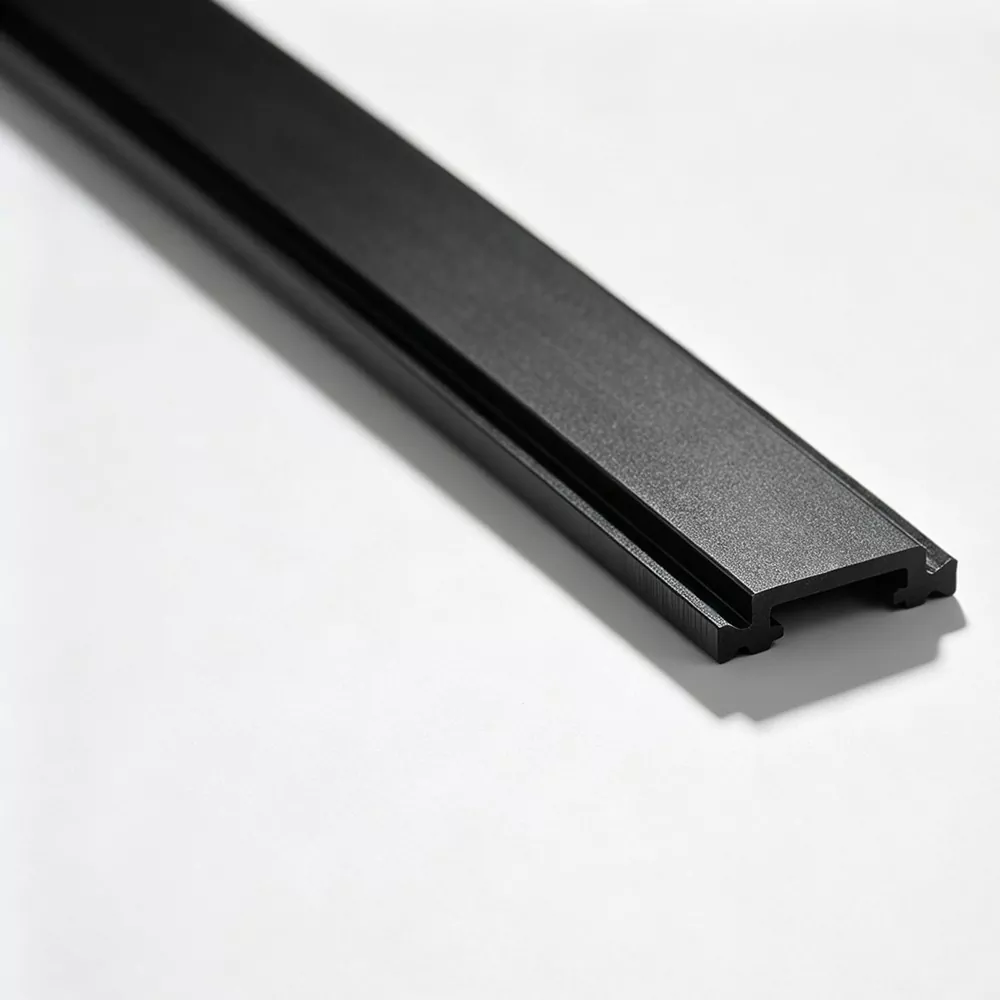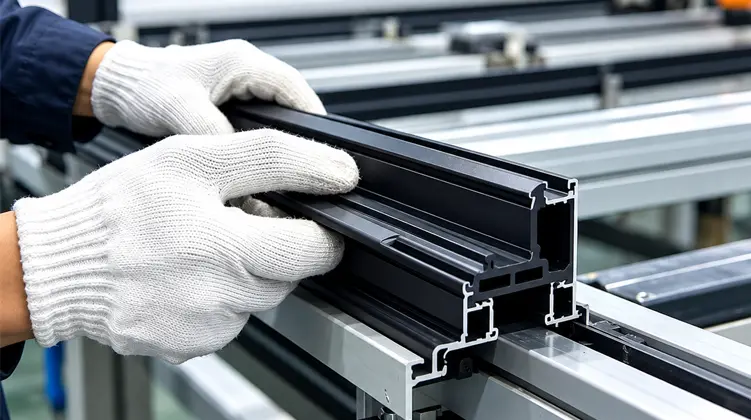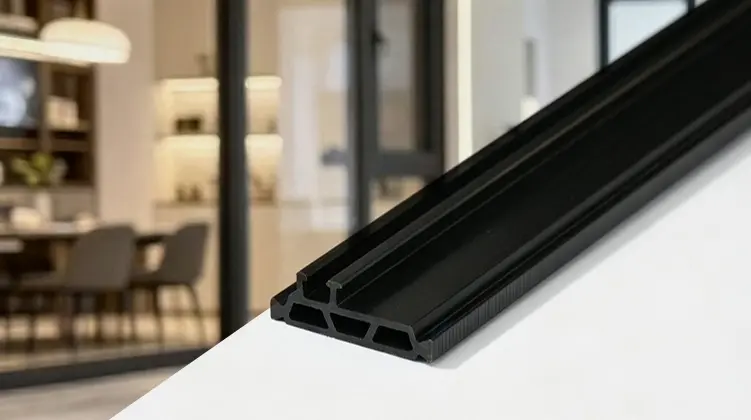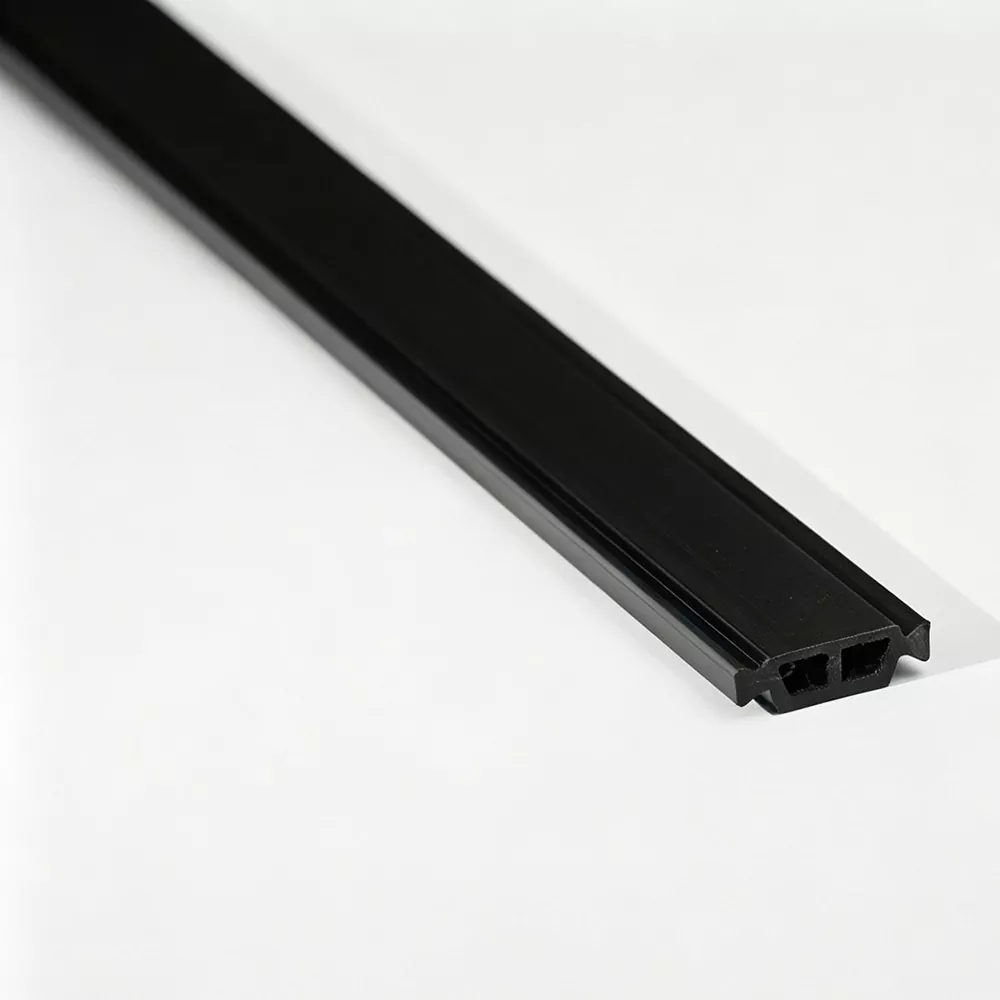
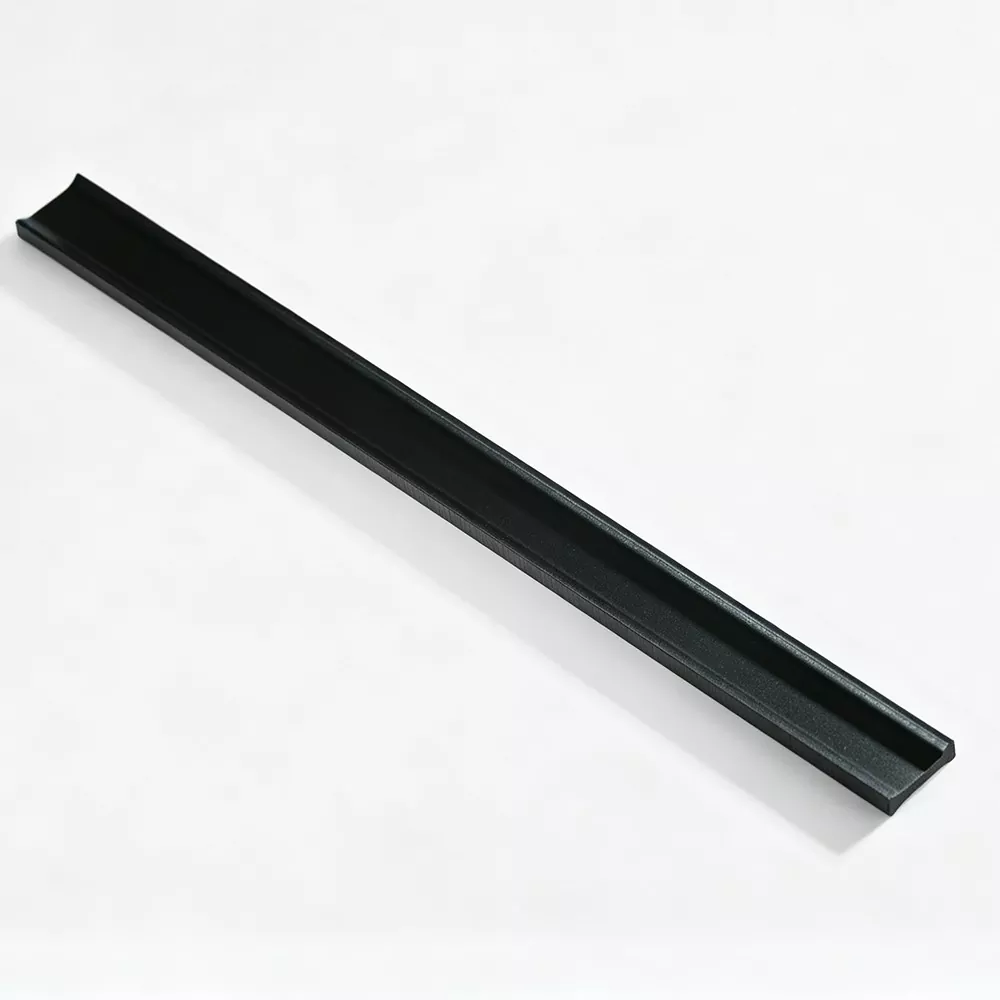
The extrusion process determines the final geometry, surface quality and dimensional consistency of a polyamide thermal break profile. Jinxing, a China manufacturer and factory, produces the Extruded Polyamide Thermal Break Profile through continuous extrusion and precision forming, allowing the section to be matched to the groove, locking structure and assembly conditions of different aluminum profiles.
Unlike a machined plastic component, a Extruded Polyamide Thermal Break Profile is formed continuously from PA66 material through an extrusion die. The molten material passes through the designed die opening and is then cooled and shaped to establish the finished cross-section.
For thermal break applications, maintaining the same profile geometry along the entire production length is important. Variations in width, thickness or locking areas can affect insertion and mechanical engagement with the aluminum extrusion.
· Continuous Profile Formation — Suitable for long-length thermal break strip production.
· Controlled Cross-Section — Extrusion parameters are managed to maintain the required profile geometry.
· PA66 GF25 Material — Glass-fiber reinforcement supports rigidity and mechanical stability.
· Stable Aluminum Engagement — Profile dimensions can be developed around the corresponding aluminum cavity.
· Flexible Section Development — Different shapes and dimensions can be produced using customized extrusion tooling.
Jinxing's production sequence covers:
Material blending → Extrusion molding → Cooling and shaping → Precision cutting
Before extrusion, incoming materials can be checked for melt flow index, glass-fiber content and moisture. During profile formation, extrusion temperature, pulling speed and cooling conditions are controlled to support consistent dimensions.
Finished profiles can then be cut into straight lengths or processed into other required supply formats.
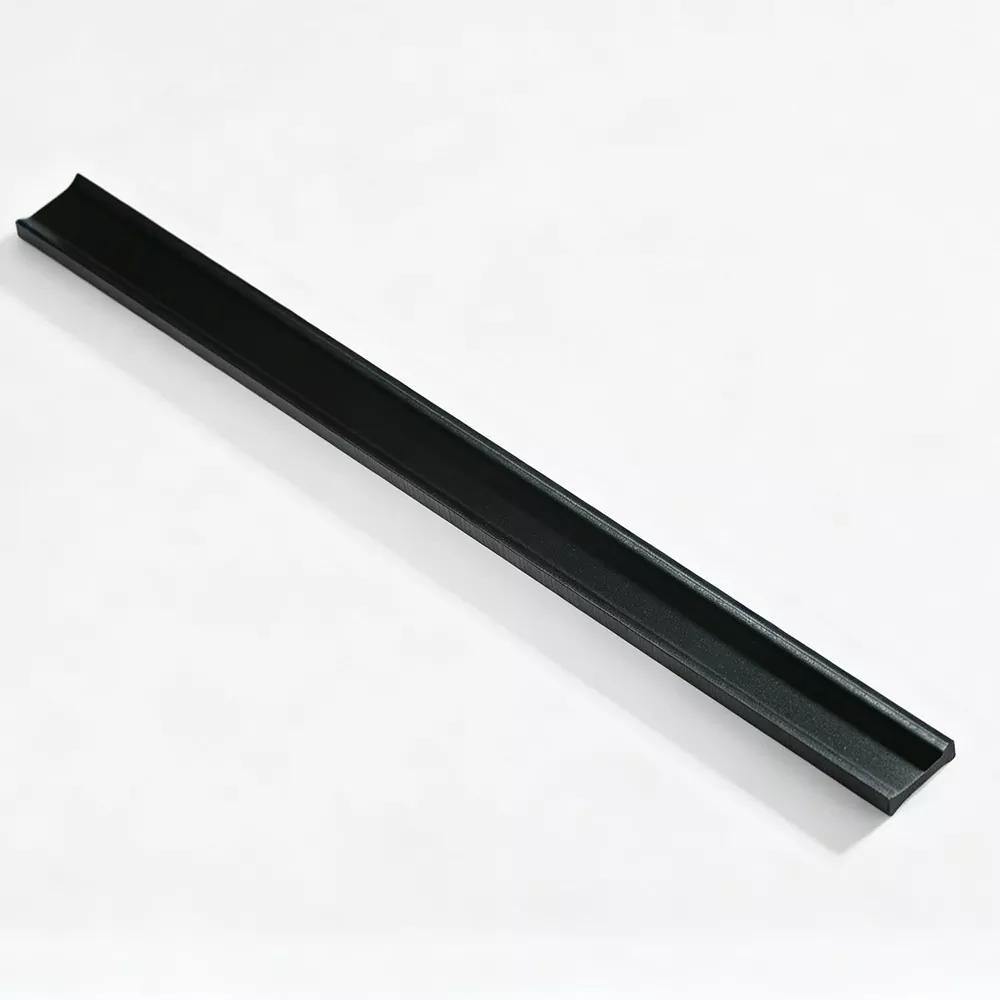
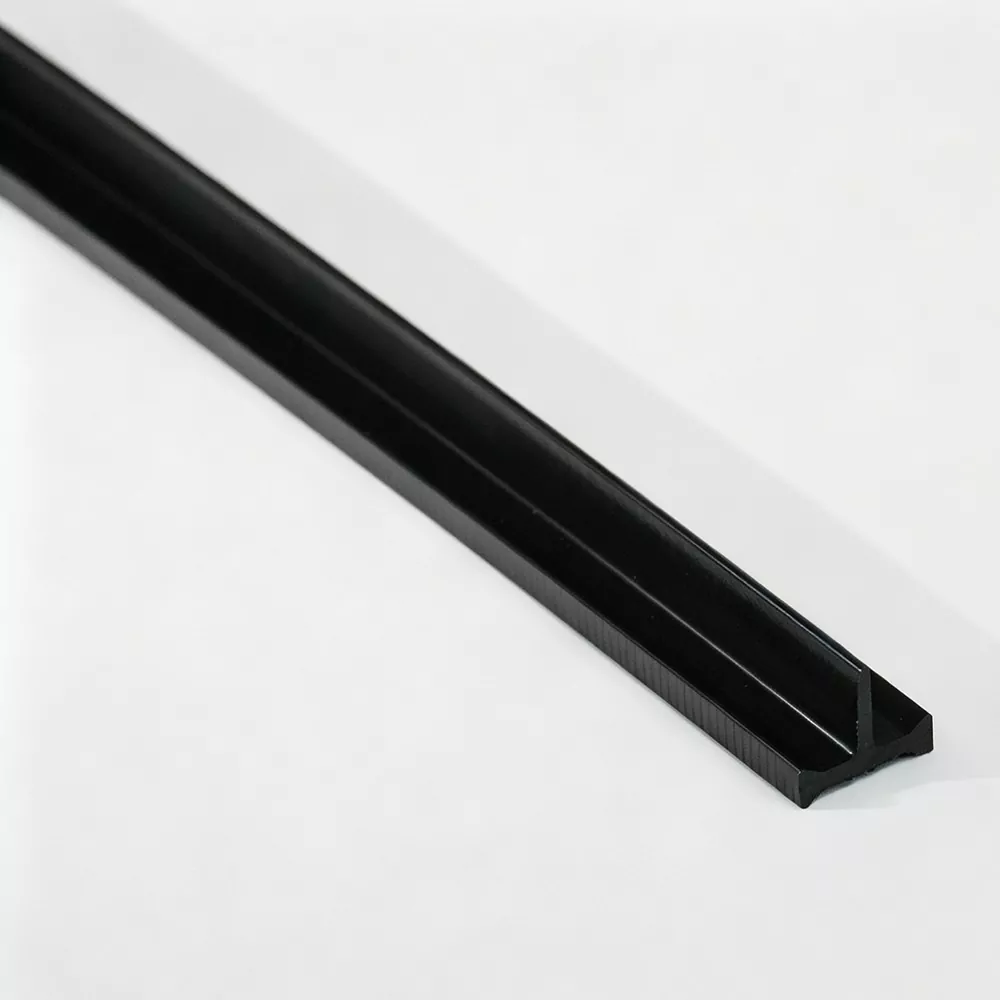
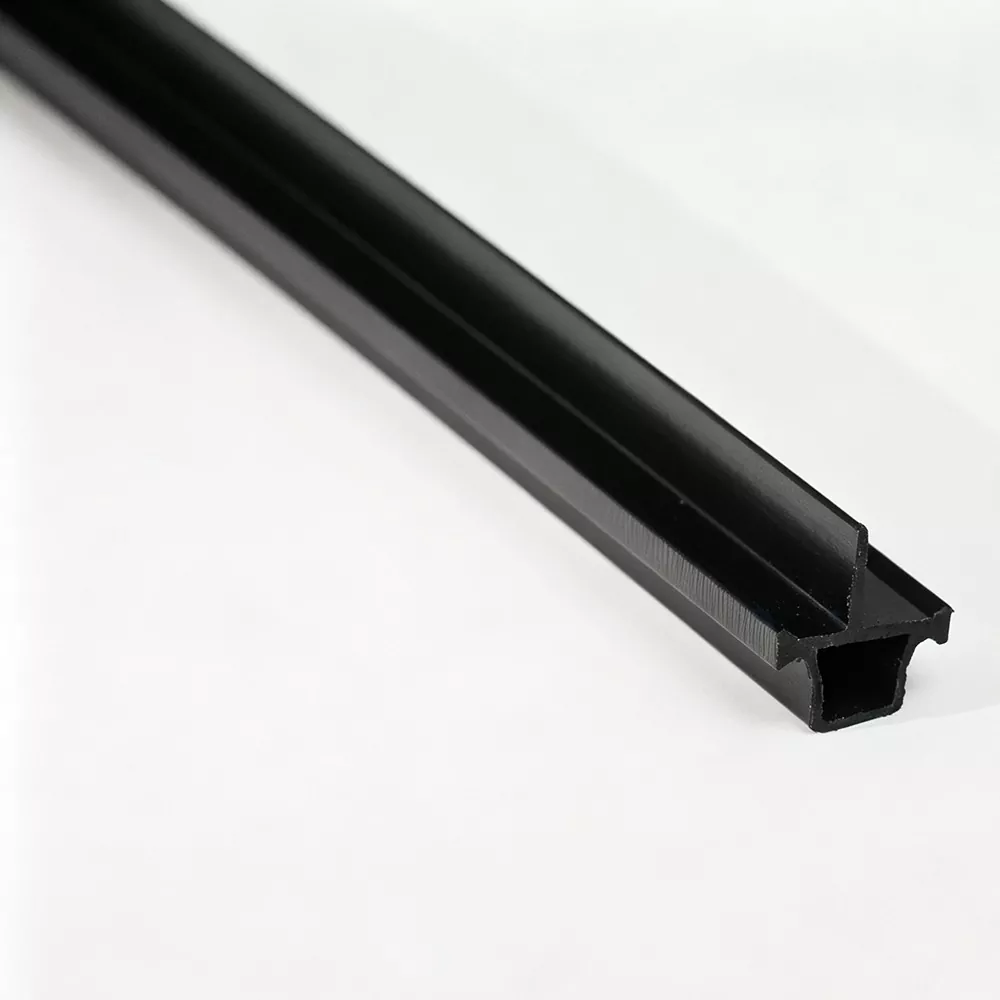
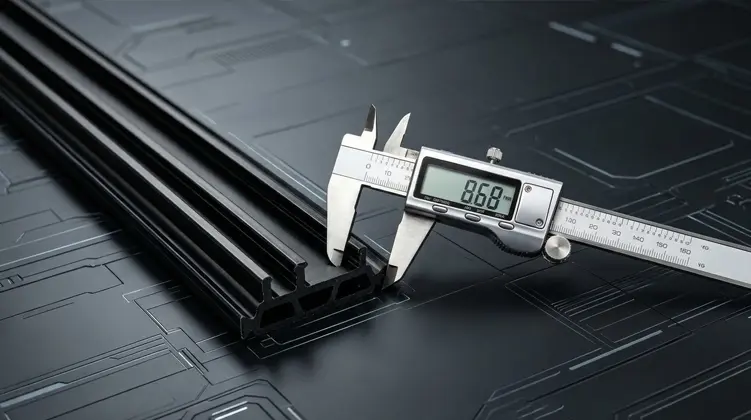
An extruded polyamide thermal break profile needs to fit the aluminum extrusion at multiple points, not just at its overall width.
The profile drawing should confirm:
|
Dimension |
Purpose |
|
Overall width |
Matches the aluminum cavity |
|
Thickness |
Provides the required separation |
|
Locking section |
Supports mechanical engagement |
|
Profile height |
Fits the extrusion space |
|
Cross-sectional shape |
Corresponds to the aluminum design |
|
Length |
Matches the production or installation requirement |
For projects with non-standard sections, Jinxing can develop extrusion tooling from an aluminum profile drawing or physical sample.
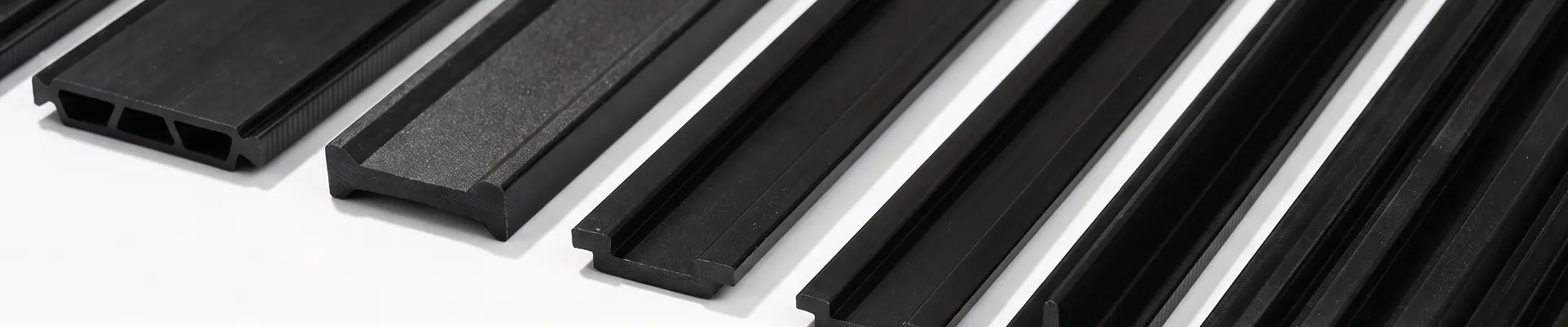
The extrusion process can be used to produce different thermal break configurations, including:
· I-Type profiles
· C-Type profiles
· T-Type profiles
· CT-Shape profiles
· Hollow profiles
· Special-shaped thermal break profiles
The appropriate section depends on the aluminum extrusion rather than the product name alone.
Extruded Polyamide Thermal Break Profile is used in compatible thermally broken aluminum systems, including:
Aluminum Windows
For frame and sash profiles requiring a continuous polyamide thermal barrier.
Aluminum Doors
For door profiles where the thermal break must maintain its dimensions and mechanical engagement after assembly.
Curtain Walls
For façade profiles requiring long, consistent thermal break sections.
Customized Aluminum Profiles
For extrusion systems requiring a particular cross-section, dimension or locking configuration.
Jinxing controls the extrusion conditions throughout production and checks profile samples during processing for cross-sectional dimensions and surface defects.
The quality-control process covers raw materials, in-process production, finished profiles and shipment. Where applicable, properties such as tensile strength, thermal aging, water resistance and other specified characteristics can be evaluated according to the required standard.
Extrusion tooling can be developed for profile designs that are not covered by standard sections.
Jinxing can customize:
· Cross-sectional geometry
· Width and thickness
· Locking details
· Special shapes
· Color
· Cut length
· Packaging
· Laser coding
The development process can start with a drawing or sample, followed by tooling, trial extrusion, dimensional verification and mass production.
Standard straight profiles are supplied at 6 m per piece. Coiled profiles can be supplied at 500 m per roll for suitable specifications. Cut-to-length processing can also be arranged according to the customer's requirements.
It is a polyamide profile formed through continuous extrusion and used to separate aluminum sections in thermally broken systems.
Jinxing uses PA66 nylon with glass-fiber reinforcement, including PA66 GF25, for its core thermal break profile production.
Extrusion allows the polyamide material to be formed into a continuous cross-section with controlled dimensions, which is important for consistent aluminum profile assembly.
Yes. Jinxing can develop special cross-sections and dimensions based on aluminum profile drawings or physical samples.
They are commonly used in thermally broken aluminum windows, doors, curtain walls and other architectural aluminum extrusion systems.
Yes. Jinxing provides standard straight lengths and can also arrange coiled or cut-to-length supply according to the profile specification.
Address
Taozhou Town, Guangde City, Xuancheng City, Anhui Province, China
Tel