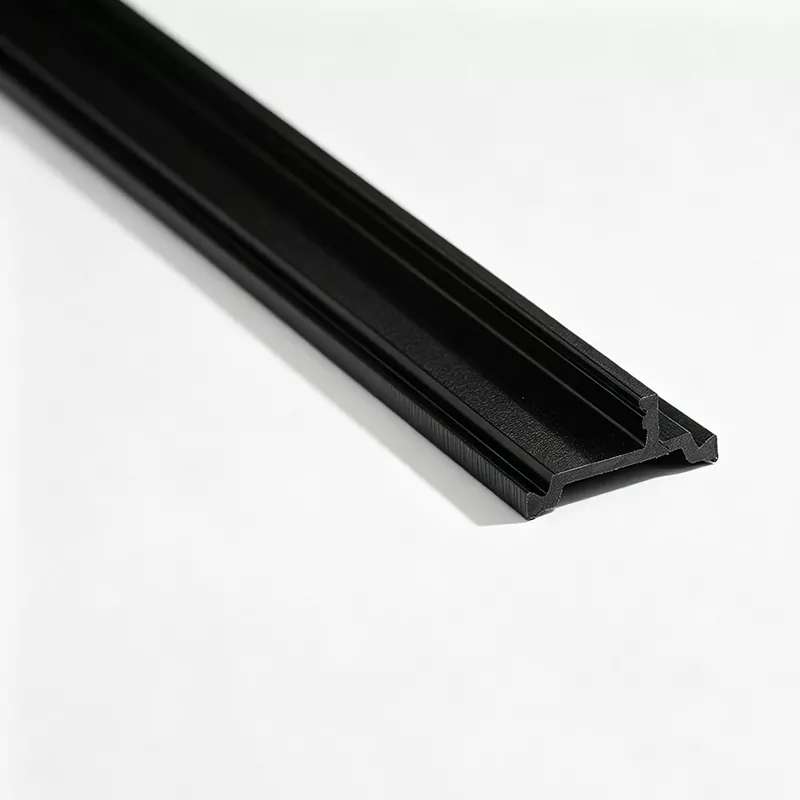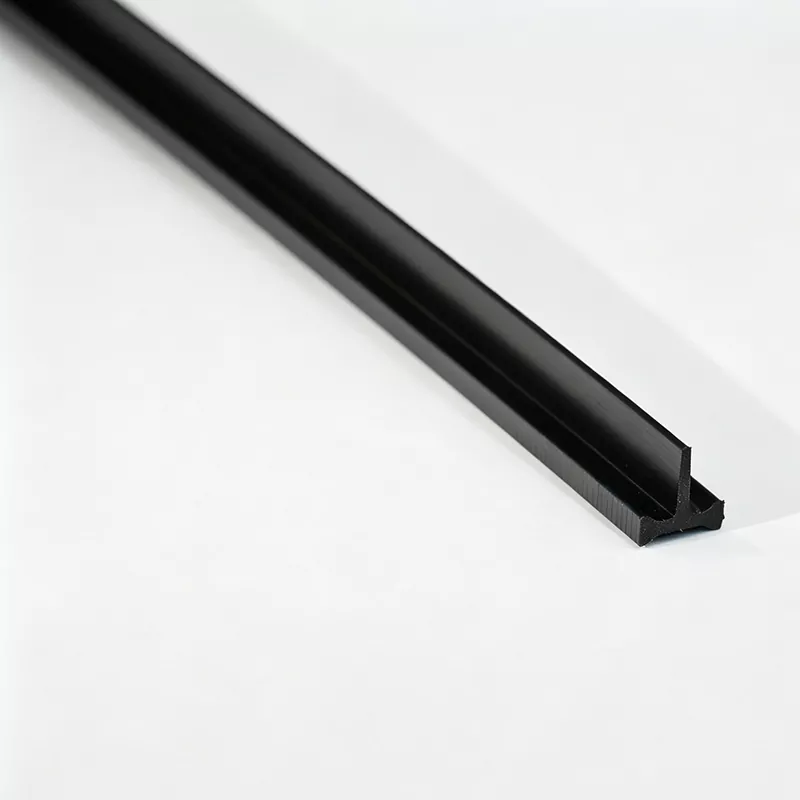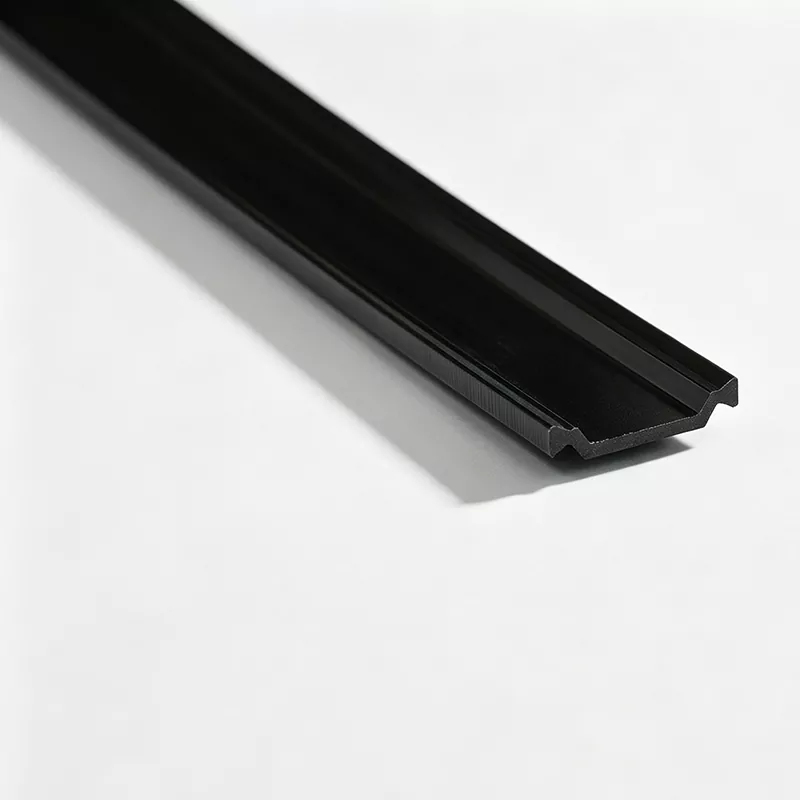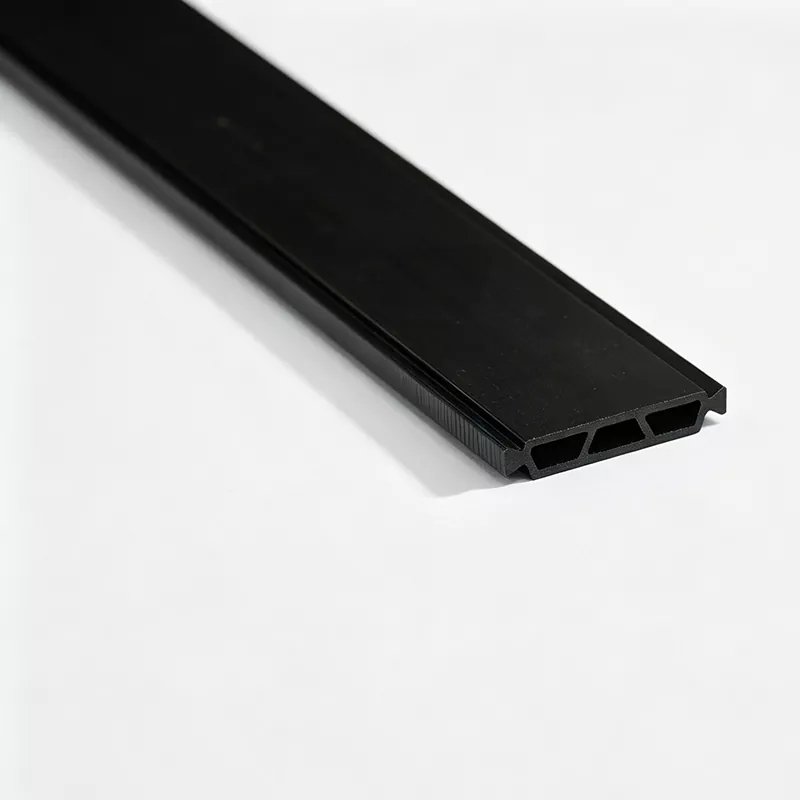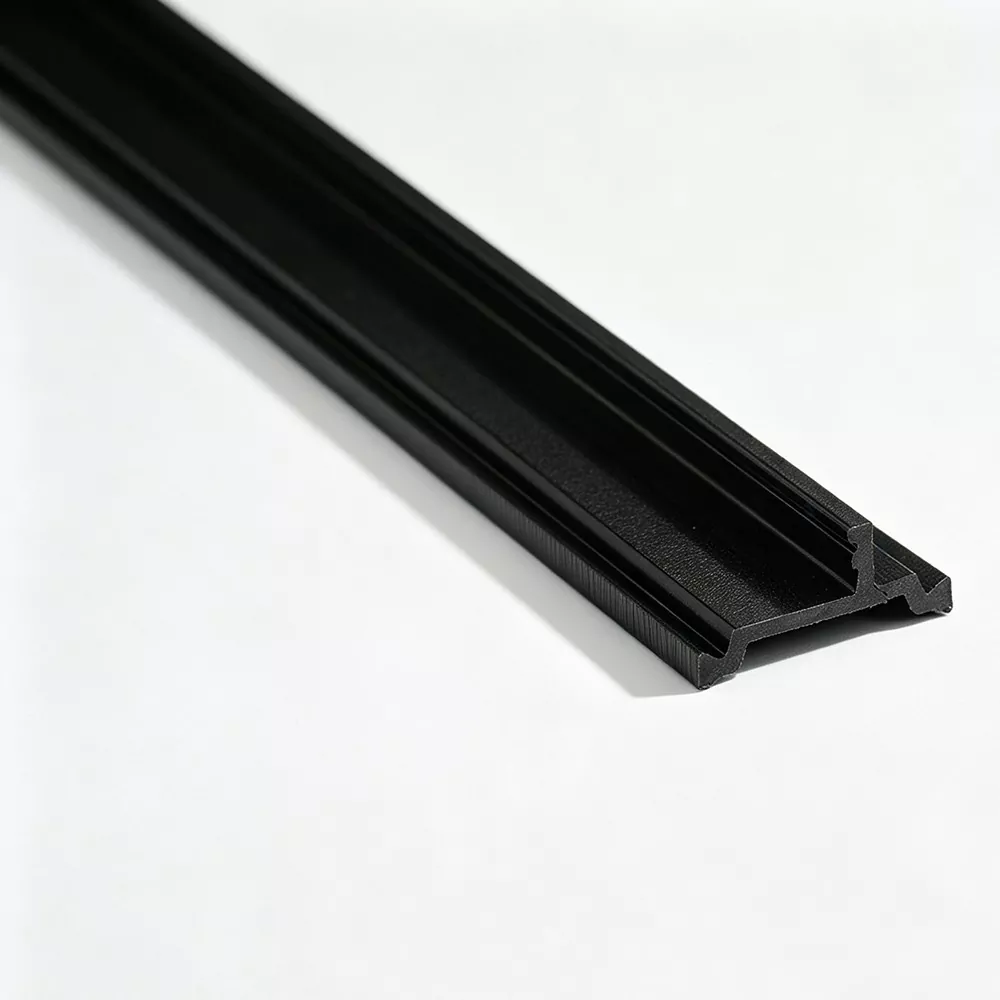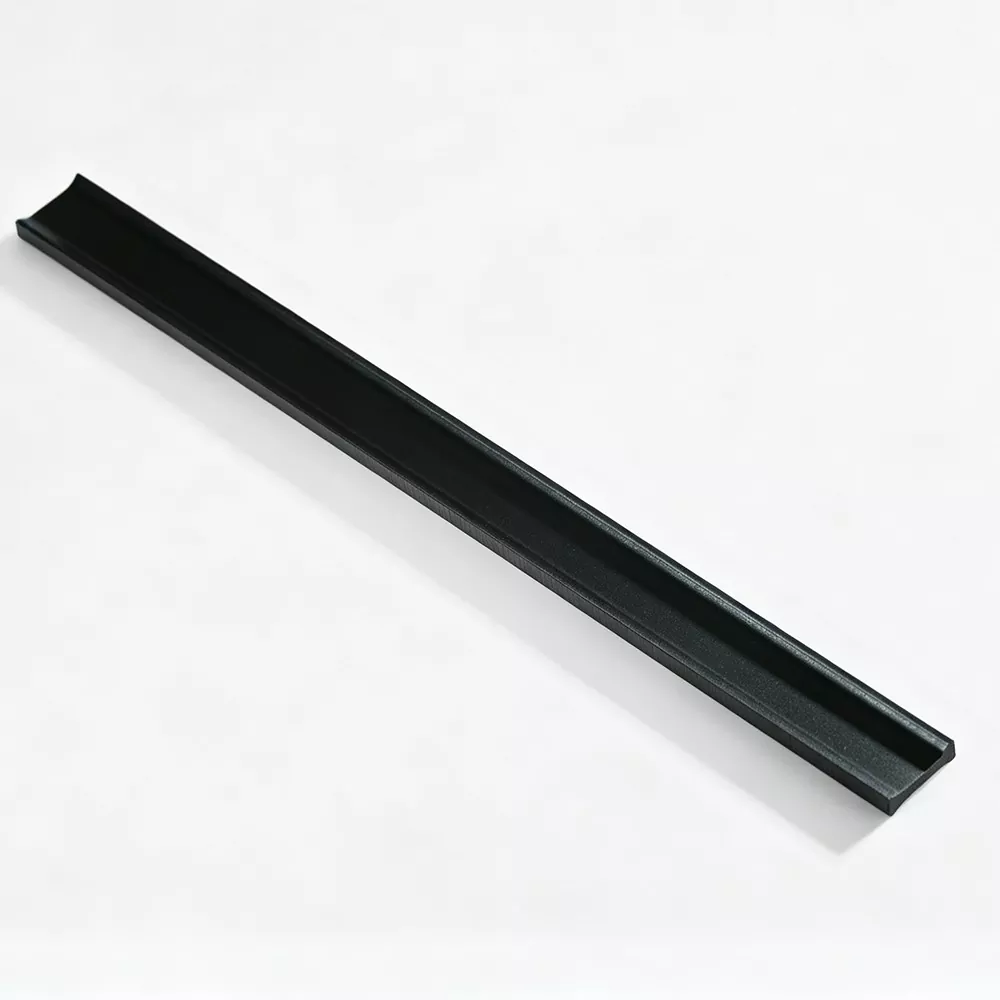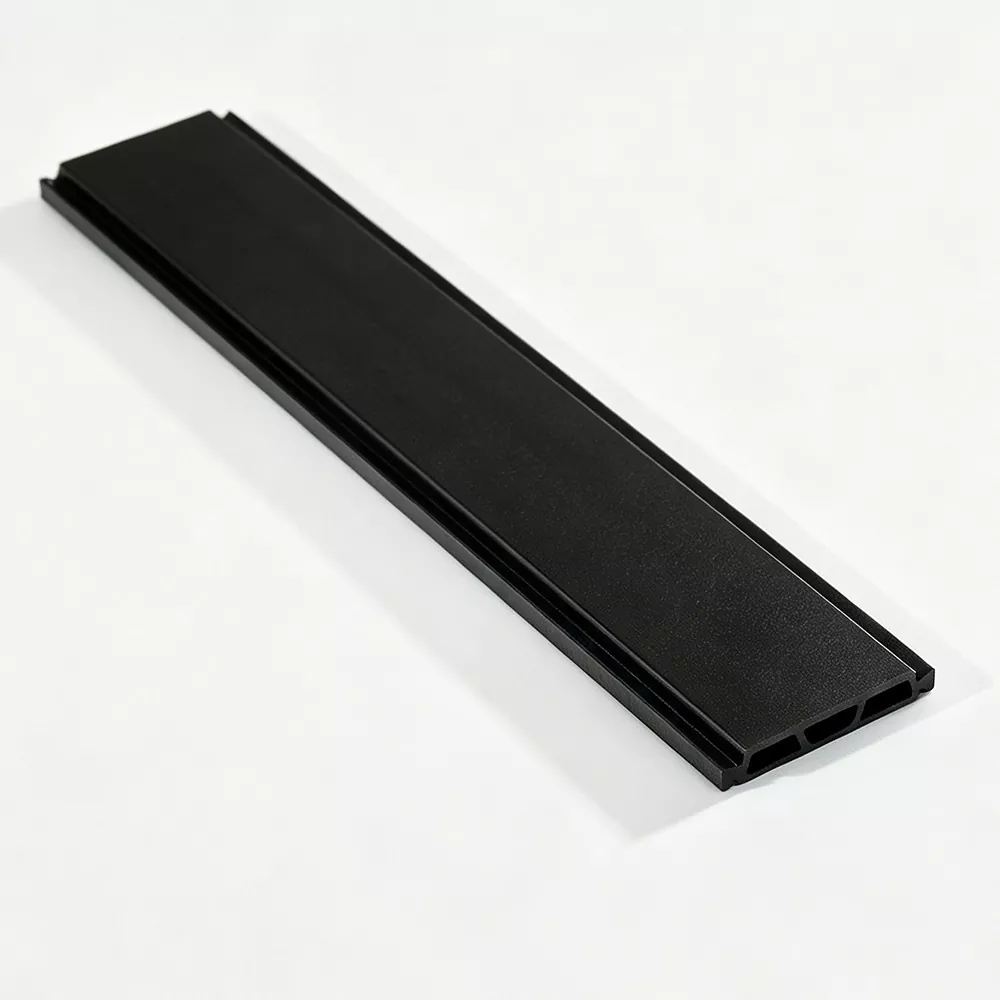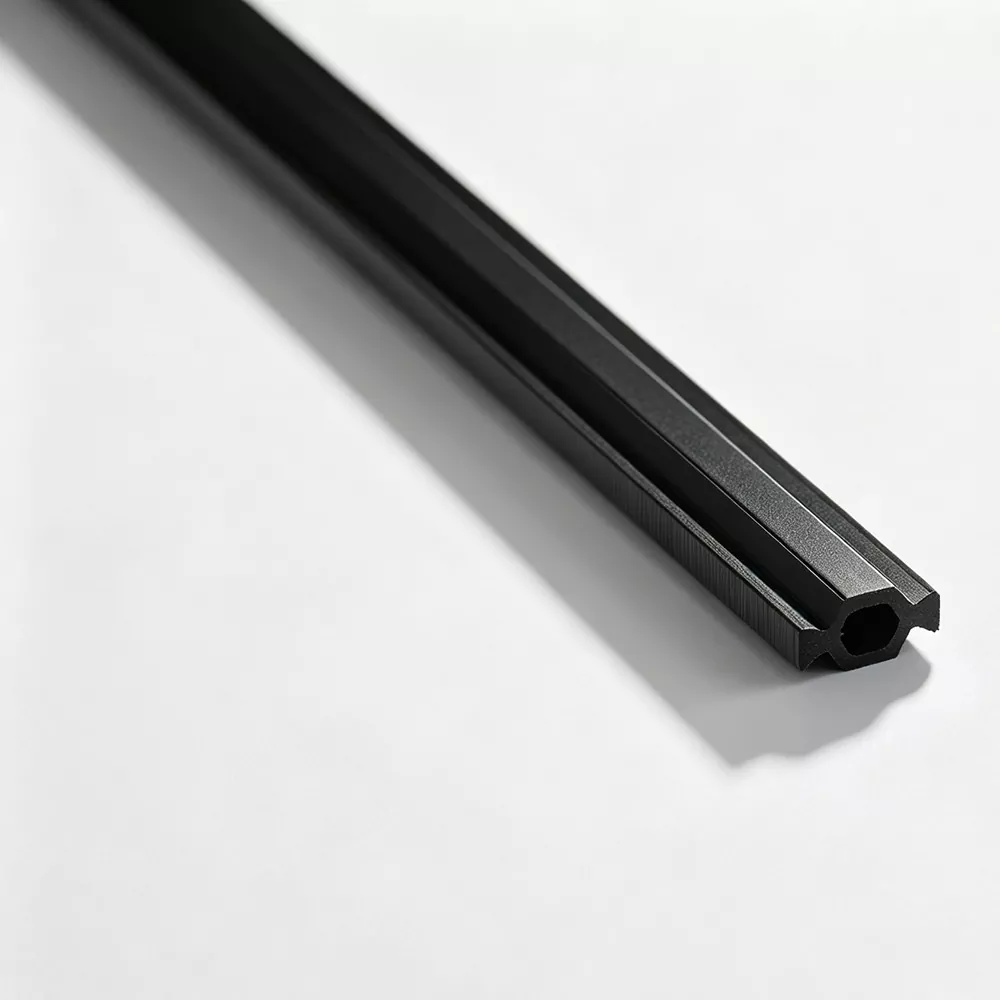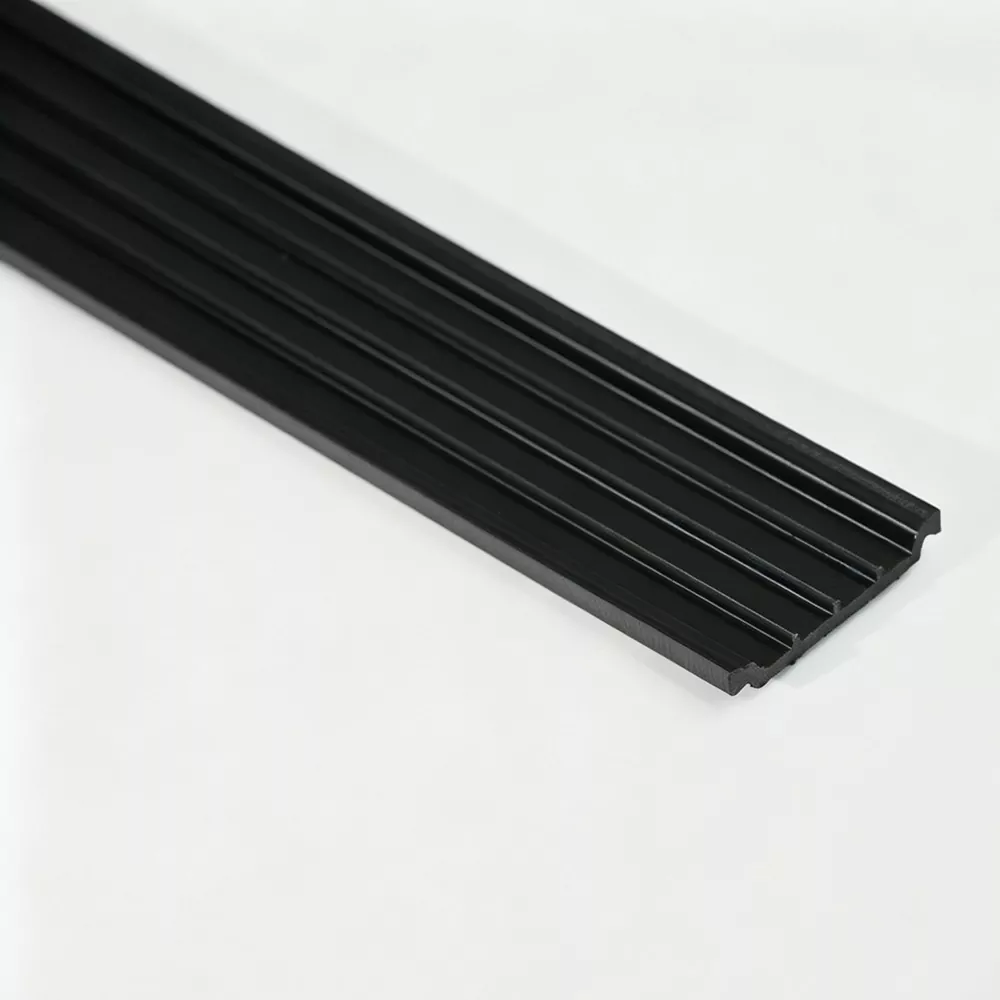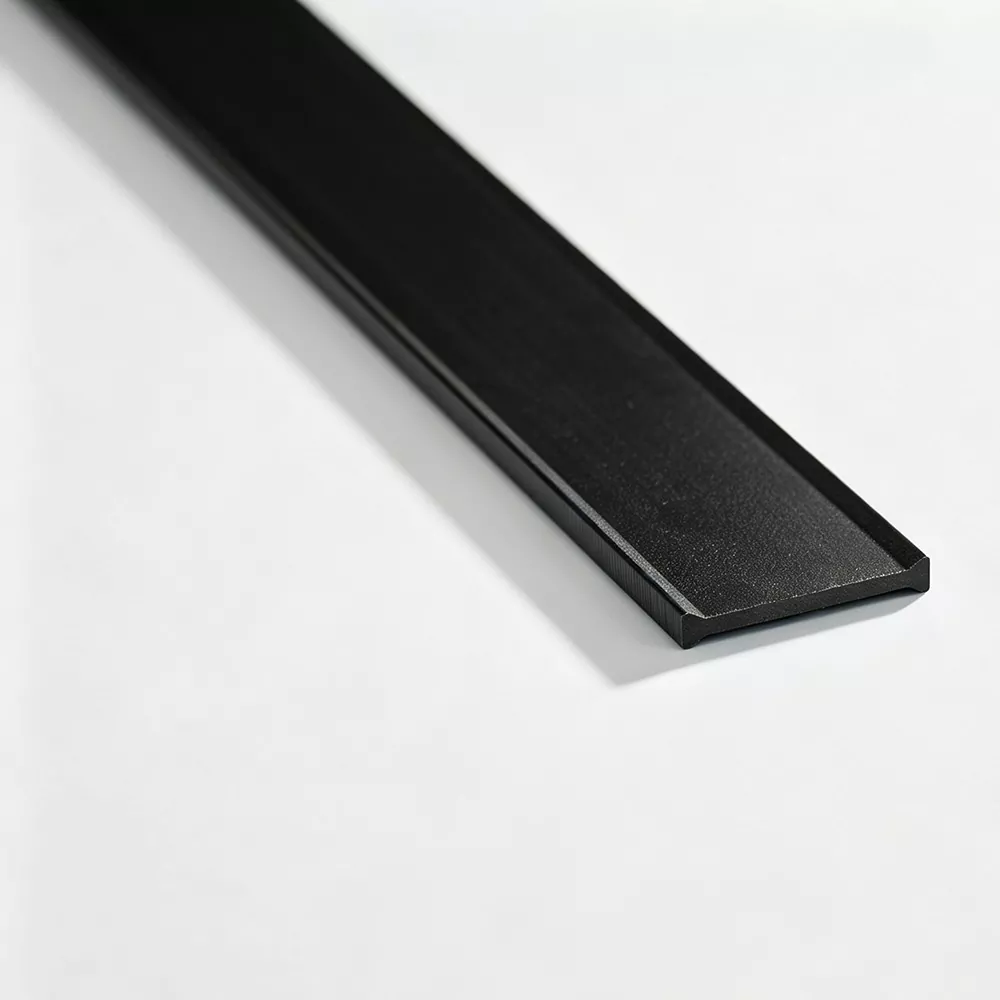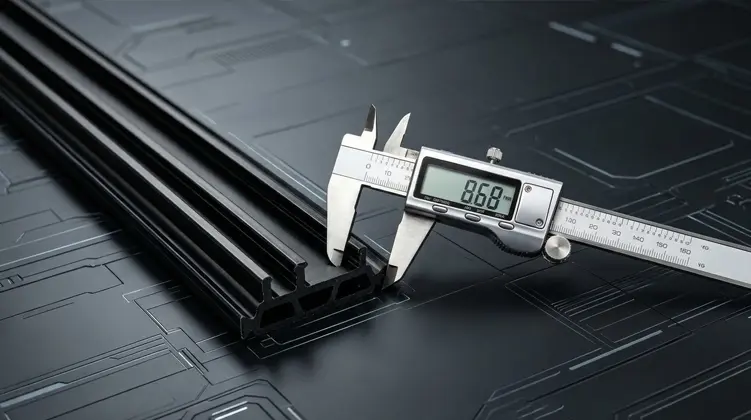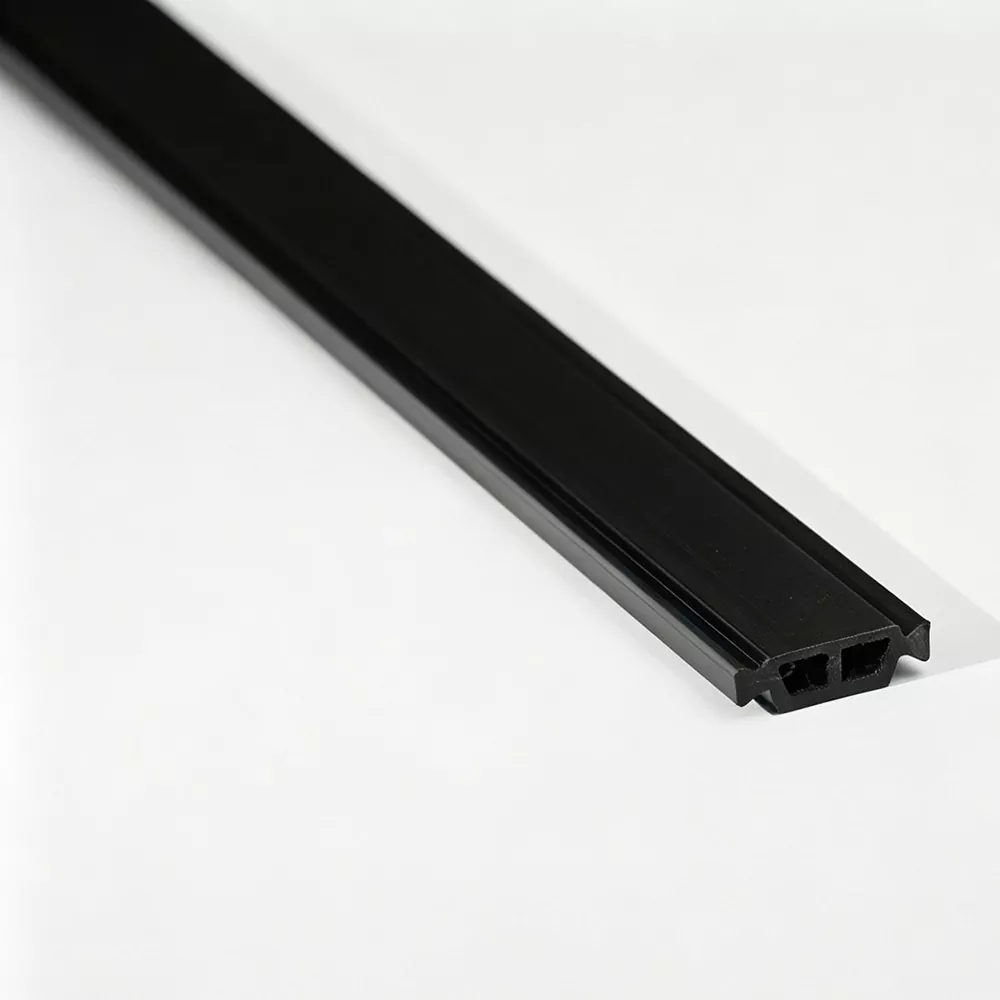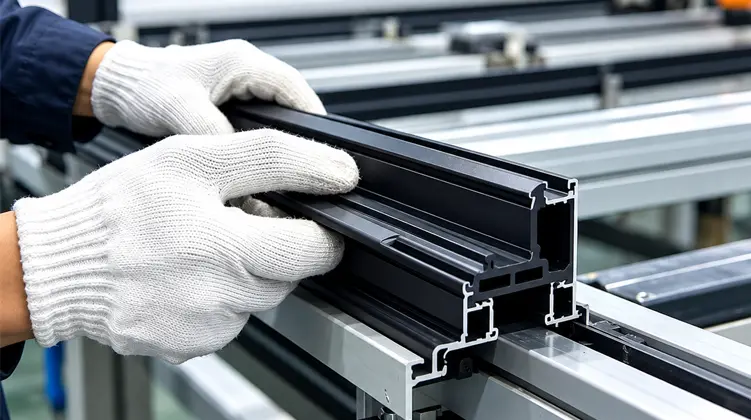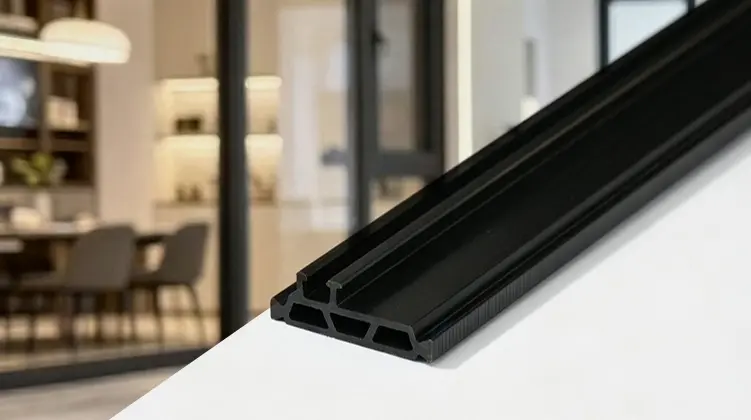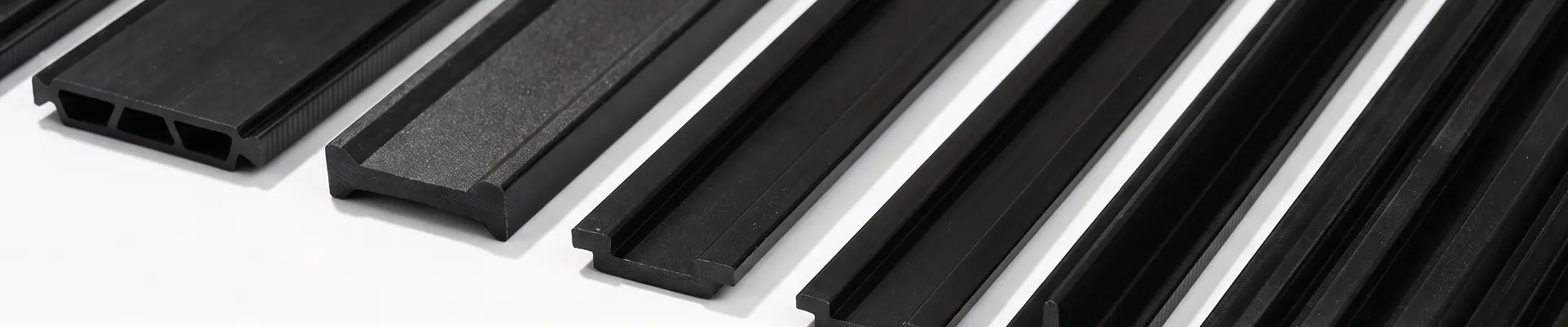
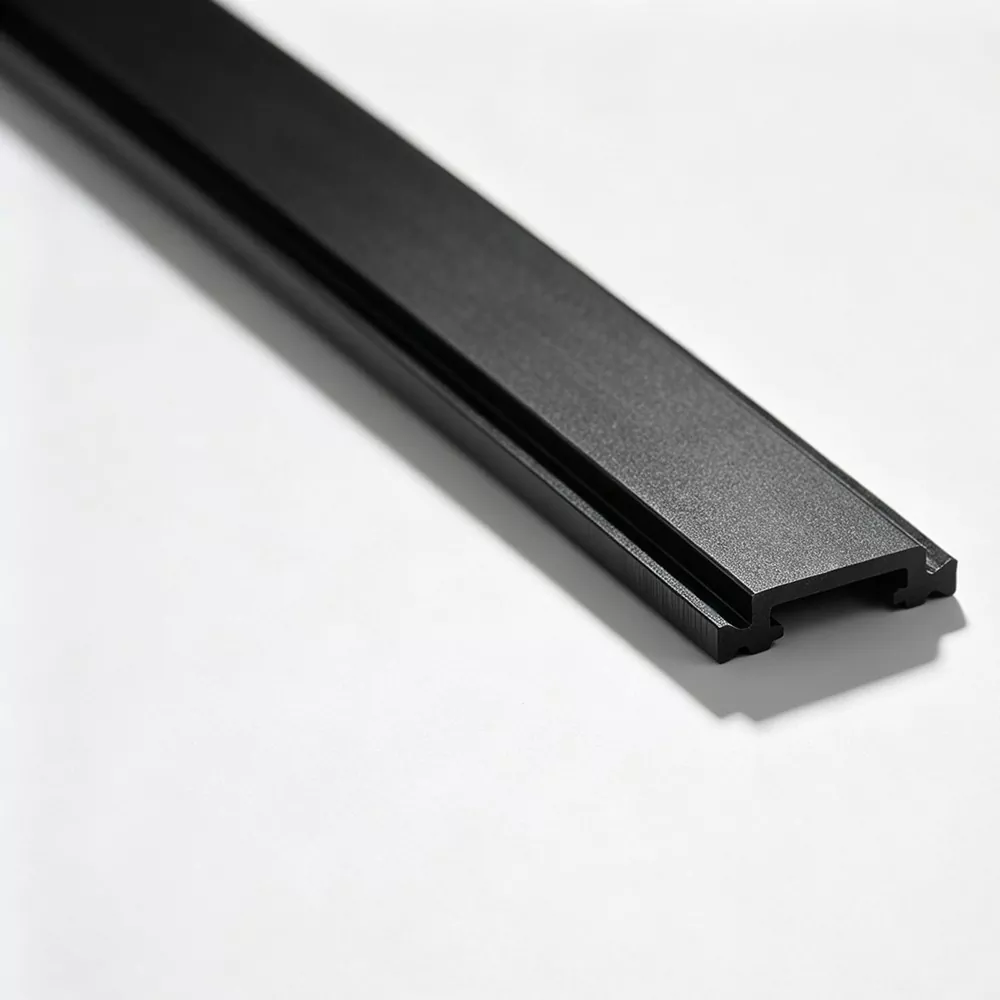
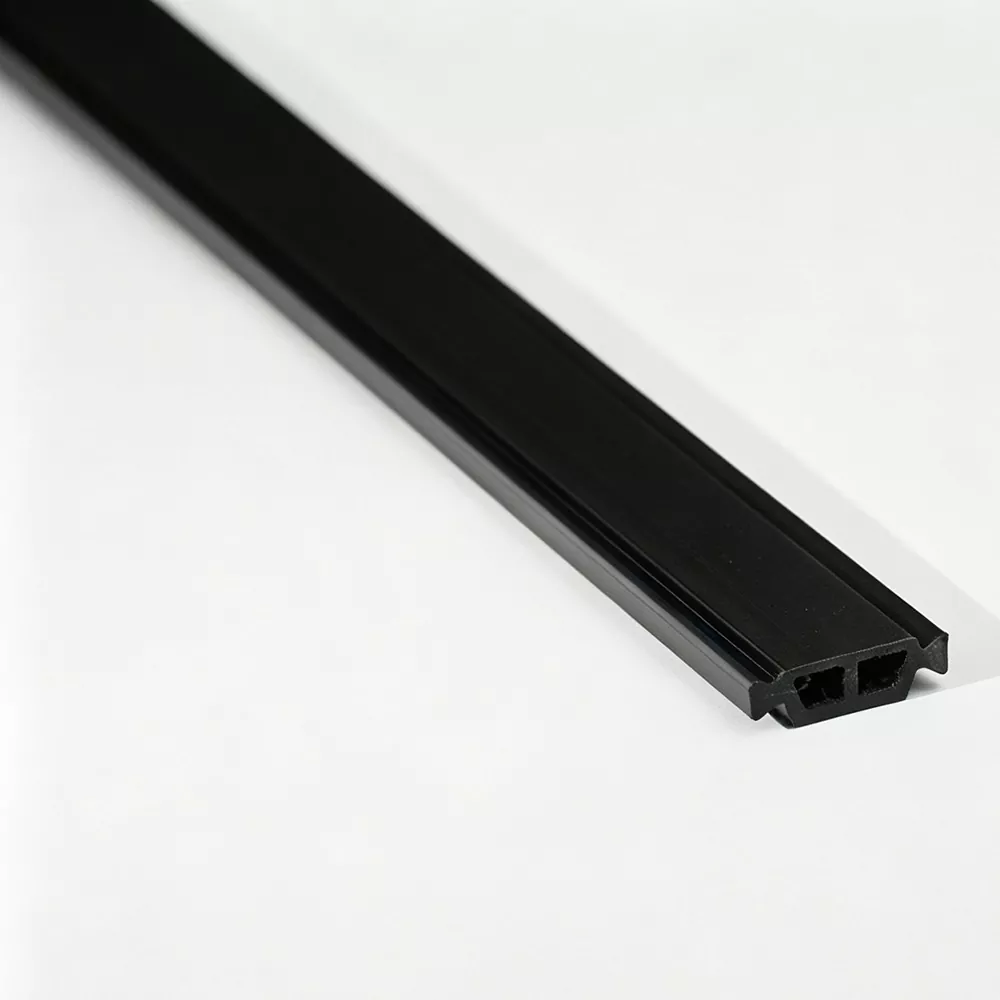
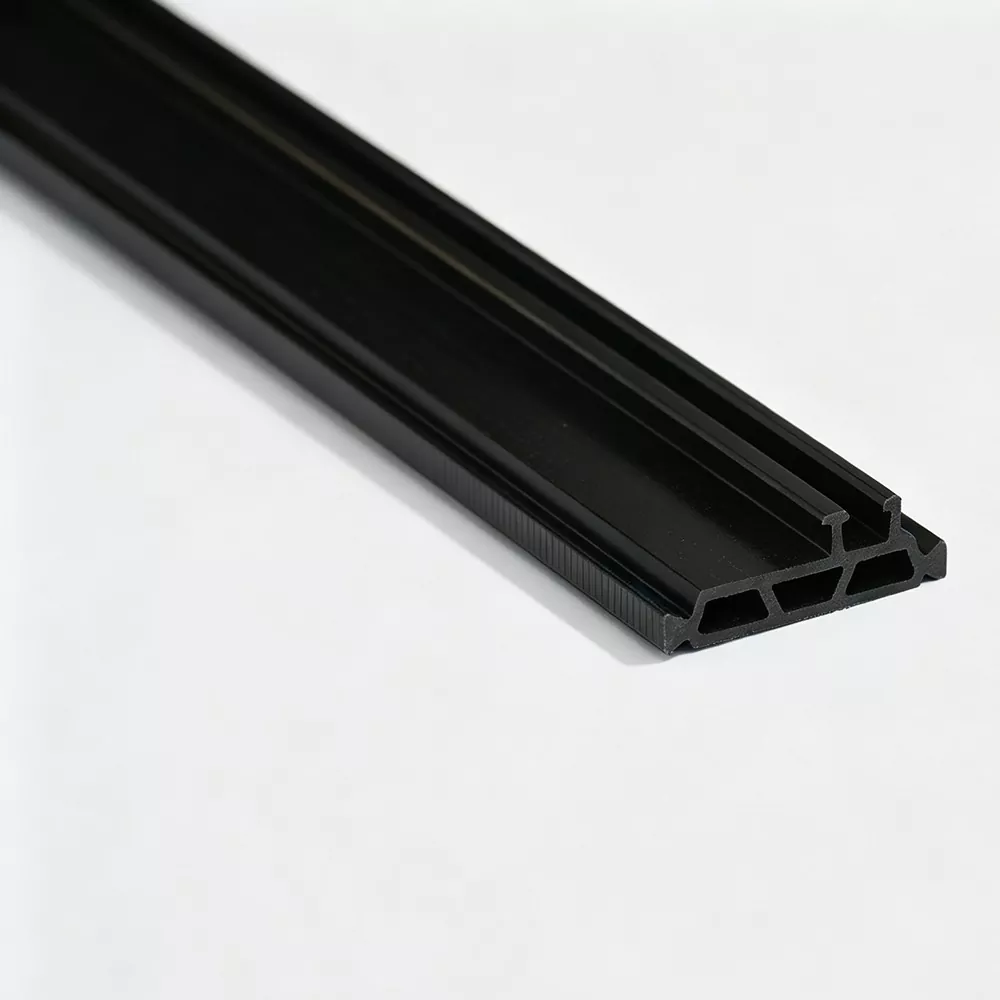
The multi-cavity design of Polyamide Hollow Thermal Break Strip introduces internal hollow sections into the polyamide profile, creating a longer and more complex path for heat transfer through the thermal barrier. For buyers looking for a China supplier or factory capable of producing wider polyamide thermal break profiles, Jinxing can manufacture the section according to the dimensions and cavity arrangement of the aluminum extrusion.
Unlike a solid thermal break strip, the hollow profile contains internal cavities running along the extrusion direction. These cavities reduce the amount of continuous polyamide material within the section and alter the heat-transfer path through the profile.
This structure is particularly useful for wider thermal break designs, where a hollow or multi-cavity profile can provide a practical balance between insulation geometry, profile size and mechanical performance.
· Multi-Cavity Construction — Creates additional internal separation within the thermal break profile.
· Suitable for Wider Sections — Provides a practical profile structure for larger-width thermal break designs.
· PA66 GF25 Material — Glass-fiber reinforcement supports the rigidity required for aluminum profile assembly.
· Good Longitudinal Stability — The reinforced profile structure is suitable for applications requiring stable performance along the extrusion length.
· Dimensional Control — Precision extrusion helps maintain the cavity shape and overall profile dimensions.
Polyamide Hollow Thermal Break Strip is mainly considered for aluminum systems with larger or wider thermal break sections, including:
· Thermally broken aluminum windows
· Aluminum doors
· Curtain wall profiles
· Large-width architectural aluminum extrusions
· Customized thermal break systems
The final cross-section should be determined from the aluminum profile rather than selected by application name alone.
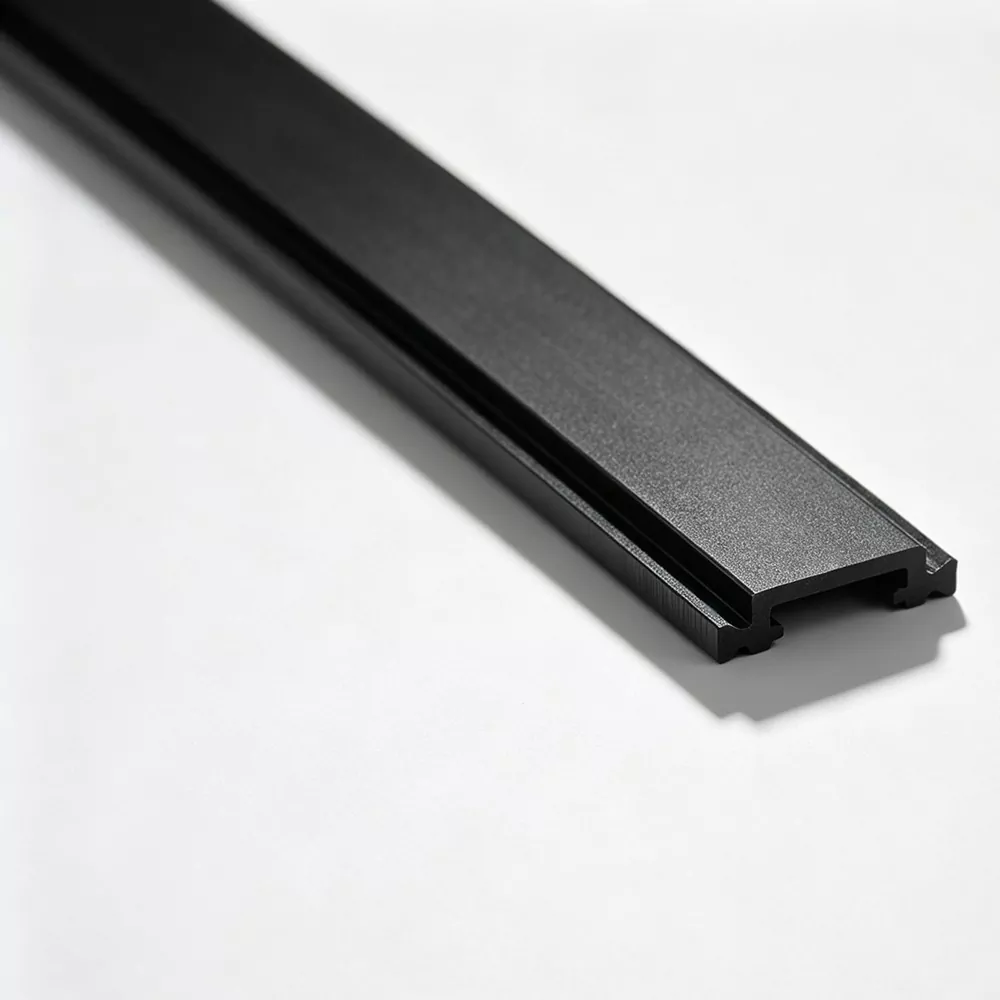
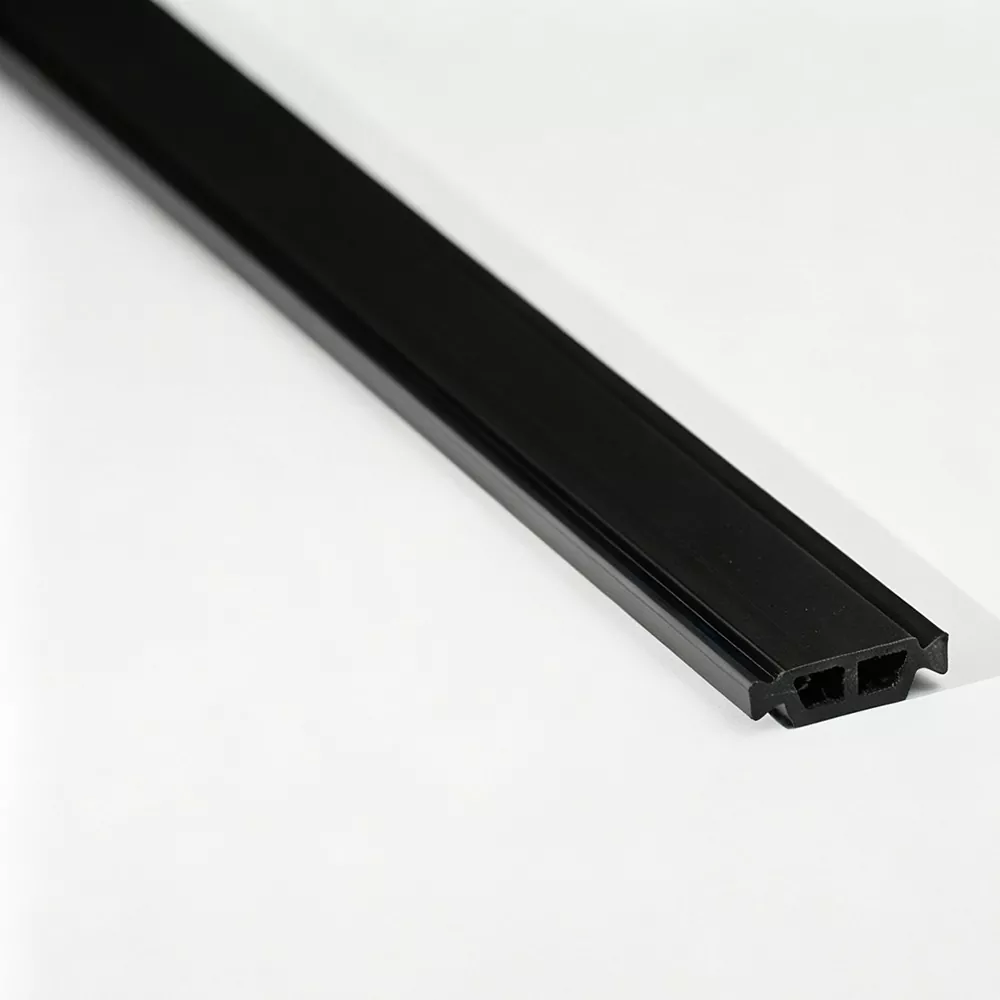
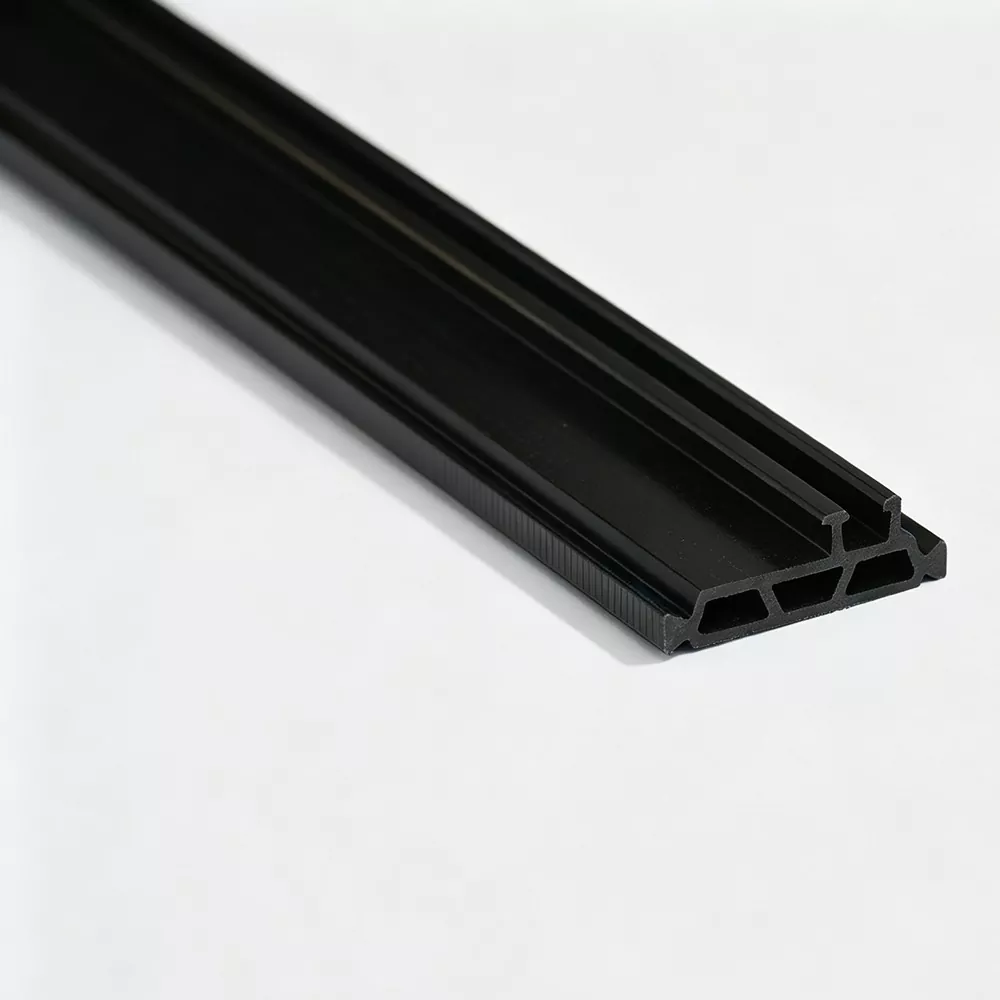
The hollow structure changes how heat moves through the thermal break. Instead of relying only on the width of a solid polyamide section, internal cavities create additional interfaces and a less direct transfer path.
The effect depends on the complete profile design, including cavity size, wall thickness, strip width and the surrounding aluminum extrusion.
A hollow profile still needs to withstand the forces generated during insertion, rolling and service. Jinxing uses PA66 reinforced with glass fiber to provide the rigidity required for the thermal break assembly.
For wider profiles, the longitudinal structure and wall geometry are especially important. The cavity arrangement should therefore be considered together with the required mechanical engagement and processing conditions.
For a hollow thermal break strip, the internal structure is part of the product design. Jinxing can adjust:
|
Design Element |
Purpose |
|
Overall width |
Matches wider aluminum profile sections |
|
Wall thickness |
Balances rigidity and cavity space |
|
Number of cavities |
Determines the internal profile structure |
|
Cavity dimensions |
Controls the hollow geometry |
|
Outer locking areas |
Matches the aluminum groove |
|
Profile height |
Fits the available extrusion space |
This makes the aluminum profile drawing particularly useful when developing a non-standard hollow section.
Jinxing produces Polyamide Hollow Thermal Break Strip using PA66 nylon reinforced with glass fiber. The manufacturing sequence covers material blending, extrusion, cooling, shaping and precision cutting.
Because the profile contains internal cavities, stable extrusion and cooling are important for maintaining the designed wall geometry. Production samples are checked for cross-sectional dimensions and surface defects.
Jinxing's inspection process covers raw materials, extrusion, finished profiles and shipment. Relevant checks can include:
· Raw material moisture
· Melt flow index
· Glass-fiber content
· Cross-sectional dimensions
· Cavity geometry
· Surface condition
· Mechanical properties
· Thermal aging and water resistance where required
Testing can be carried out according to the applicable project or market requirements.
Polyamide Hollow Thermal Break Strip are often developed for specific aluminum systems rather than selected from a universal size range.
Jinxing can manufacture customized hollow sections based on an aluminum profile drawing or physical sample, including adjustments to the overall width, wall structure, cavity arrangement, locking geometry, color and length.
The development route can be:
Profile drawing → Hollow section review → Tooling → Trial extrusion → Dimension confirmation → Mass production
Straight strips can be supplied at 6 m per piece, while coiled supply can be arranged where the profile and production process are suitable. Cut-to-length processing, customized packaging and laser coding are also available.
It is a PA66-based thermal break profile containing one or more internal hollow cavities. The multi-cavity structure changes the heat-transfer path and is commonly used for wider thermal break sections.
A hollow structure can provide additional internal separation and is particularly suitable for larger-width thermal break designs where profile geometry and mechanical requirements need to be balanced.
Jinxing uses PA66 nylon reinforced with glass fiber for its polyamide thermal break profiles.
They can be suitable for wider aluminum thermal break sections, provided the strip geometry and mechanical engagement match the extrusion design.
Yes. The overall dimensions, cavity arrangement, wall geometry and locking details can be developed according to aluminum profile drawings or samples.
Typical applications include thermally broken aluminum windows, doors, curtain walls and other architectural aluminum systems using wider thermal break sections.
Address
Taozhou Town, Guangde City, Xuancheng City, Anhui Province, China
Tel