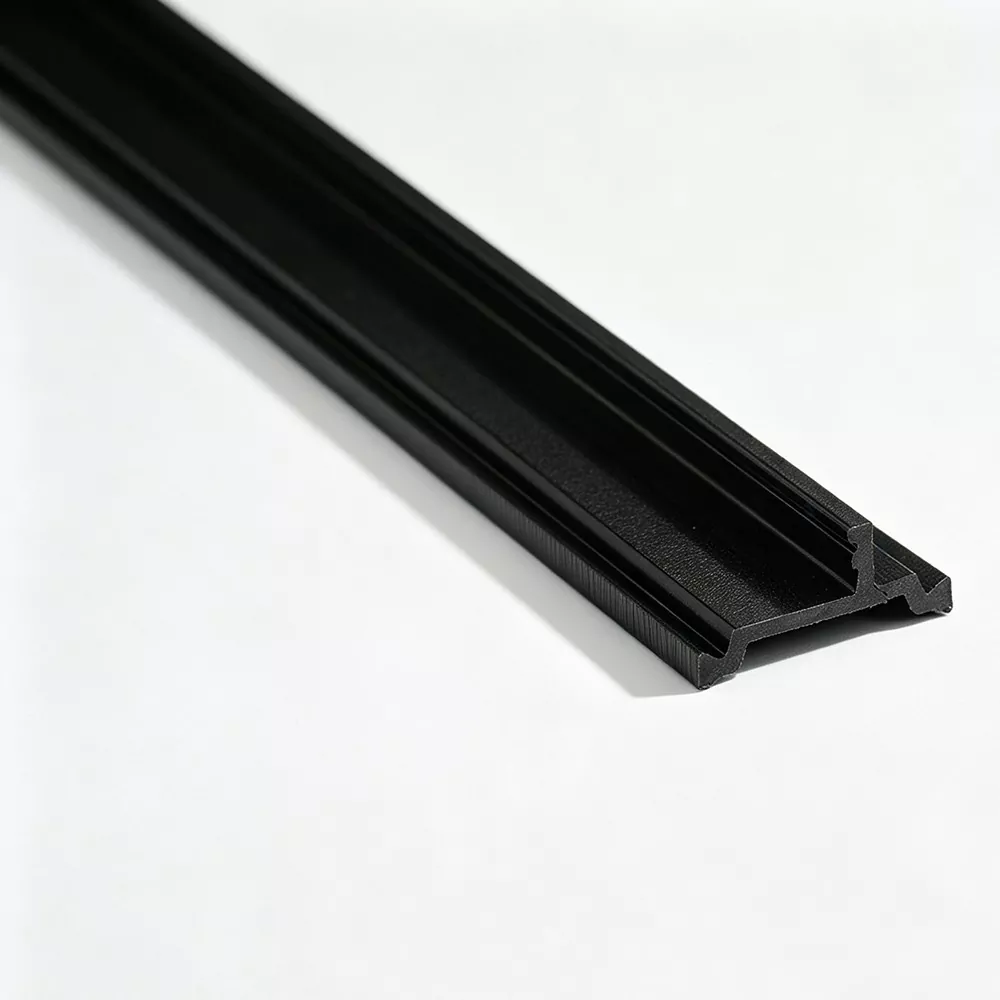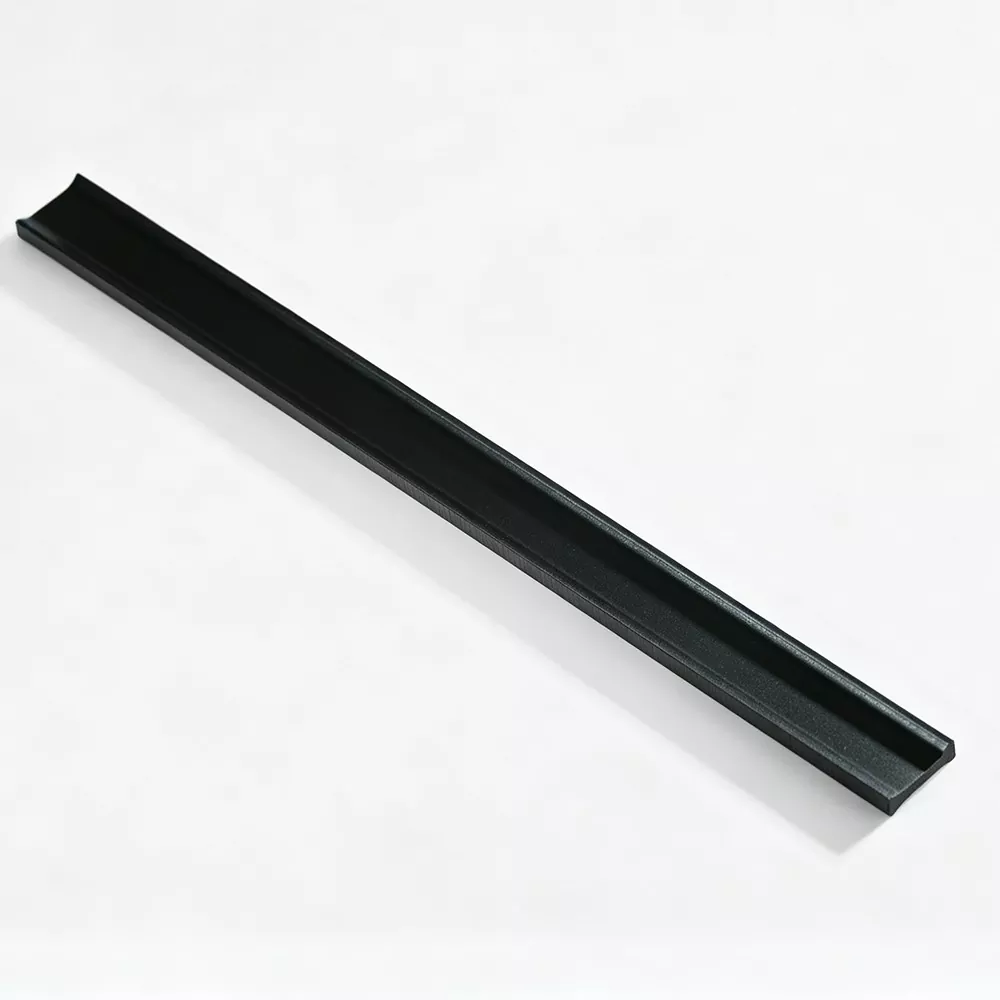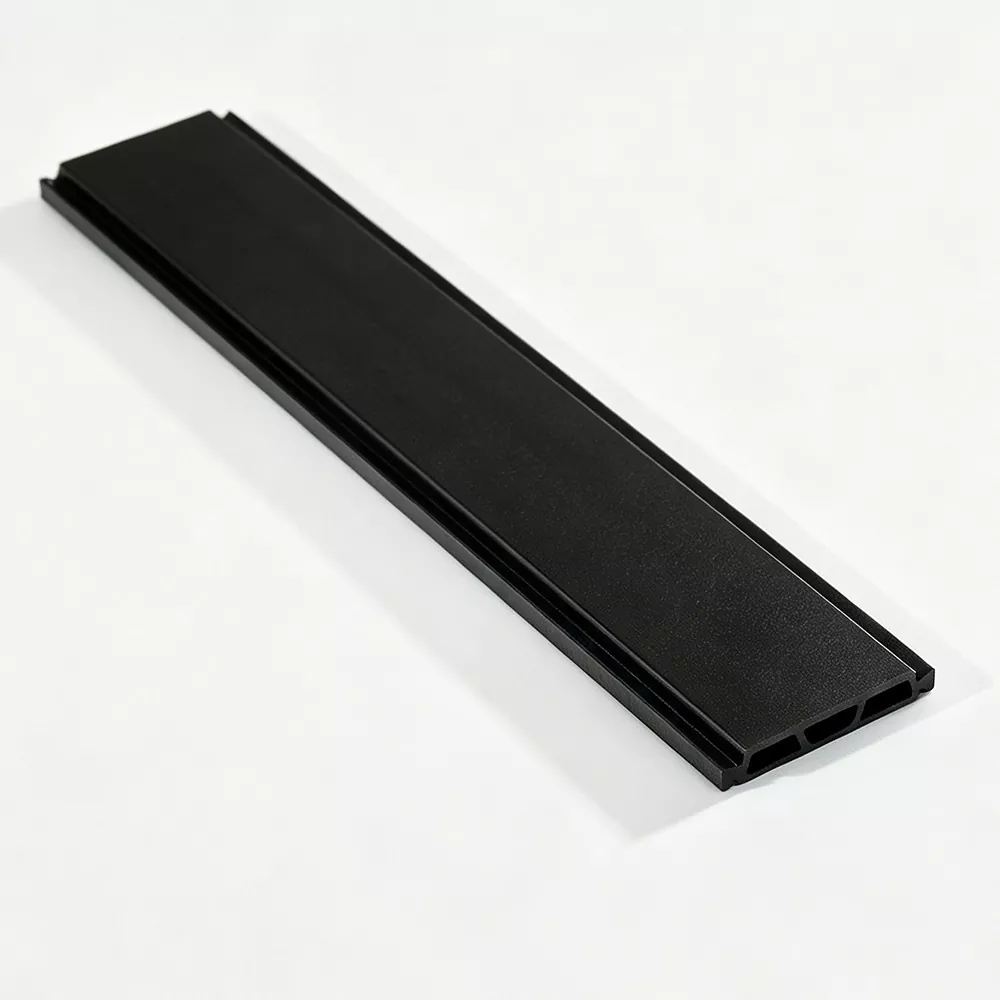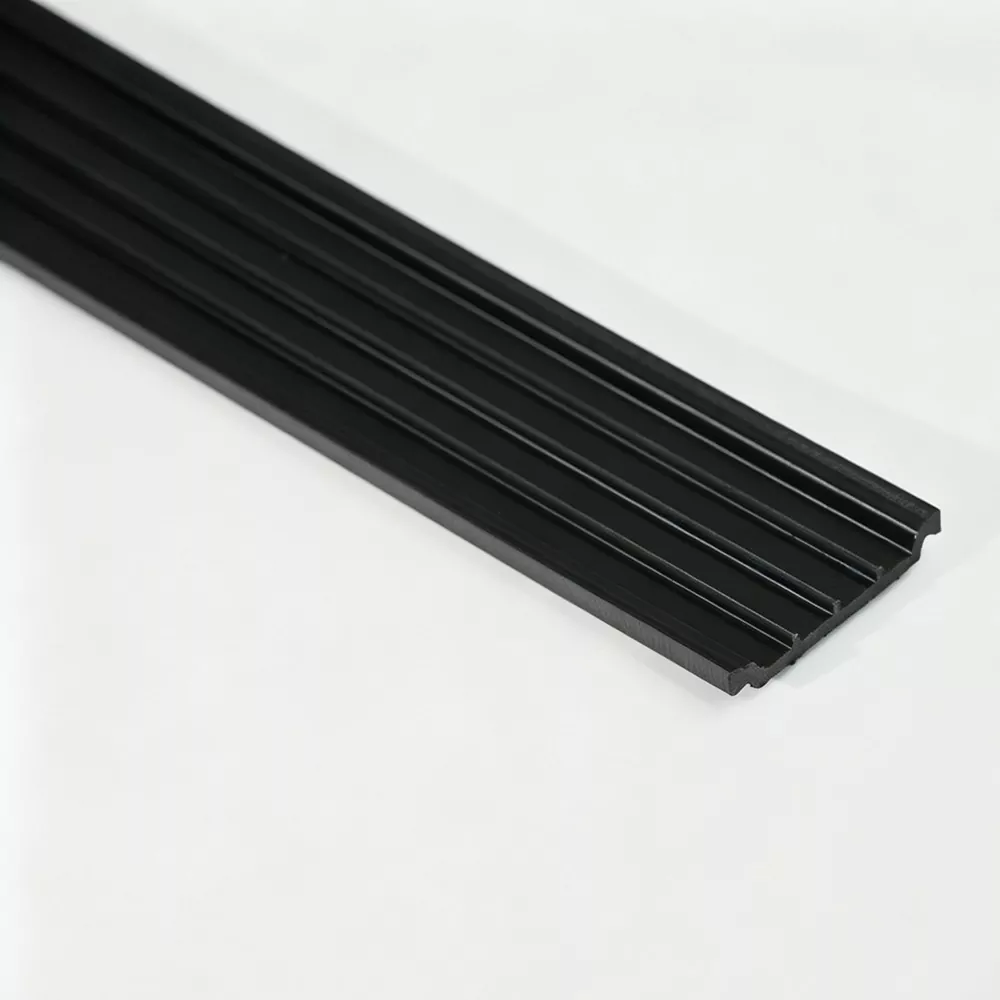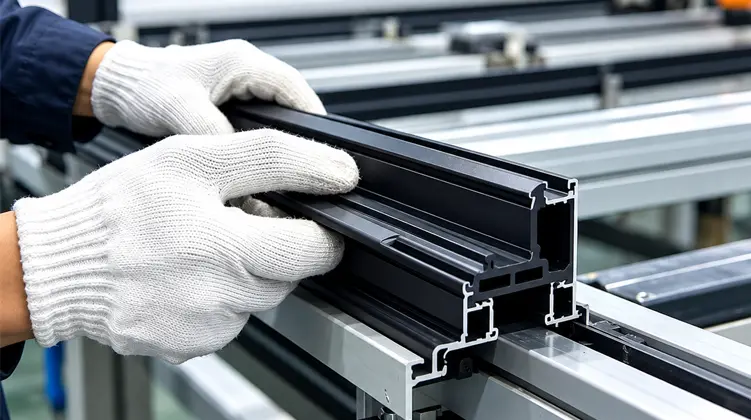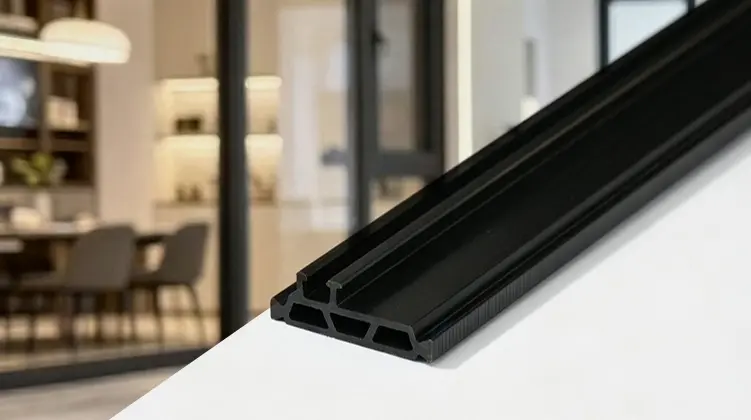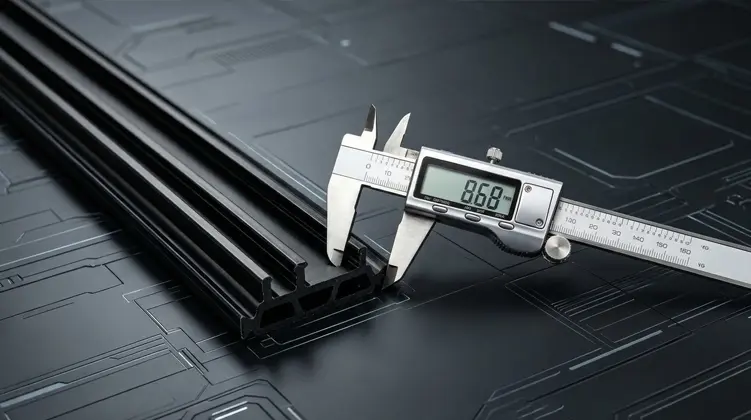
When you source a reinforced thermal break material from a China manufacturer or factory, the Glass-Fiber Reinforced Polyamide Strip from Jinxing uses PA66 nylon as the base and glass fiber as the reinforcing phase. The combination is designed to provide the strength and dimensional stability needed when the polyamide strip is inserted, rolled and mechanically locked into aluminum profiles.
The addition of glass fiber changes the mechanical behavior of standard polyamide. It increases rigidity and helps the strip maintain its profile shape during assembly and service.
Jinxing's production also considers the distribution and orientation of the reinforcing fibers. Different fiber orientations contribute to longitudinal strength and transverse shear resistance, supporting stable performance during strip insertion and profile rolling.
· PA66 with Glass-Fiber Reinforcement — Provides higher rigidity than unreinforced polyamide.
· Mechanical Stability — Suitable for thermal break assemblies subject to insertion and rolling forces.
· Dimensional Stability — Helps the profile maintain its designed cross-section during service.
· Controlled Fiber Distribution — Supports balanced longitudinal and transverse mechanical performance.
· Extrusion-Based Profile Production — Allows the reinforced material to be formed into different thermal break geometries.
The main material is PA66 nylon reinforced with glass fiber. Jinxing's core Glass-Fiber Reinforced Polyamide Strip use PA66 GF25, with the glass fiber serving as reinforcement within the polyamide matrix.
Before extrusion, incoming materials can be checked for melt flow index, glass-fiber content and moisture. This helps maintain consistency before the material enters the profile-forming process.
A thermal break strip must do more than separate two aluminum sections. It also has to withstand the mechanical forces generated during profile assembly.
The reinforced polyamide profile is used where the strip needs to:
· Maintain its shape during insertion
· Resist deformation during rolling
· Support mechanical engagement with aluminum
· Maintain stable dimensions after assembly
· Handle longitudinal and transverse stresses within the profile
The actual required mechanical performance depends on the aluminum profile and its assembly design.
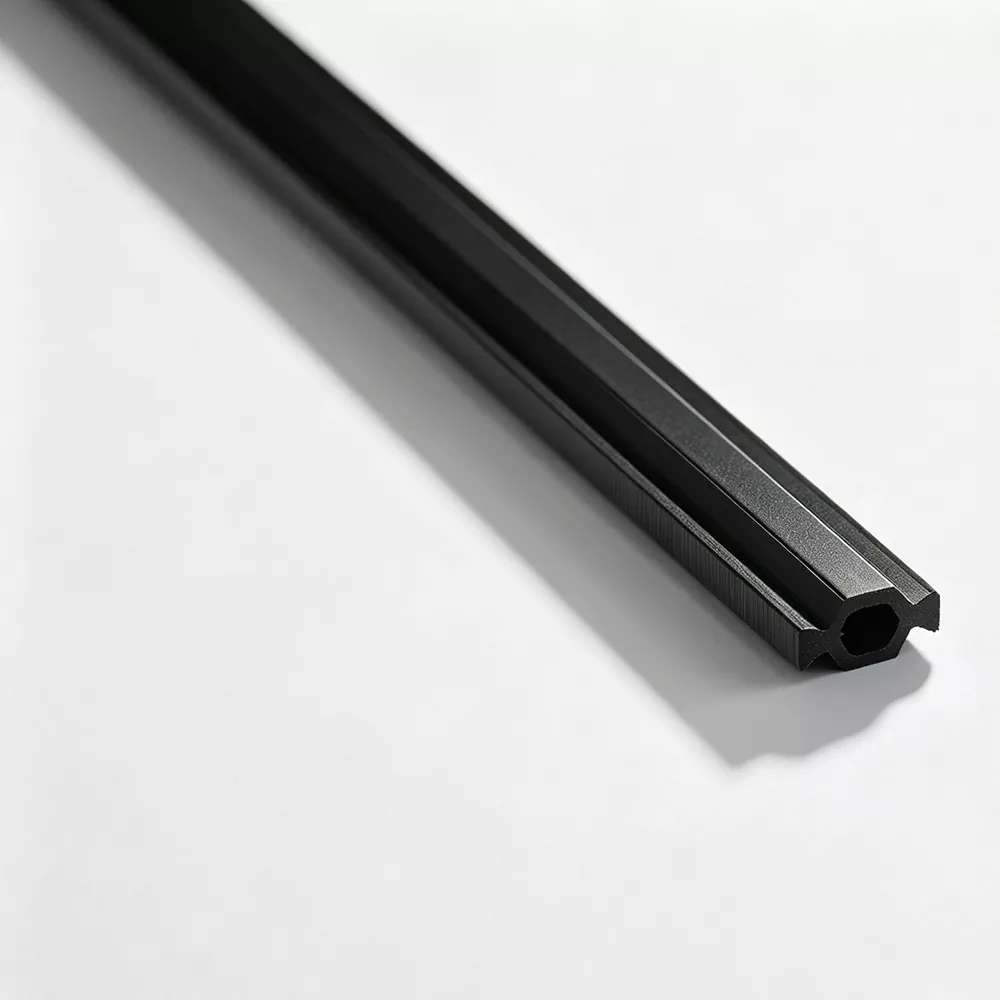
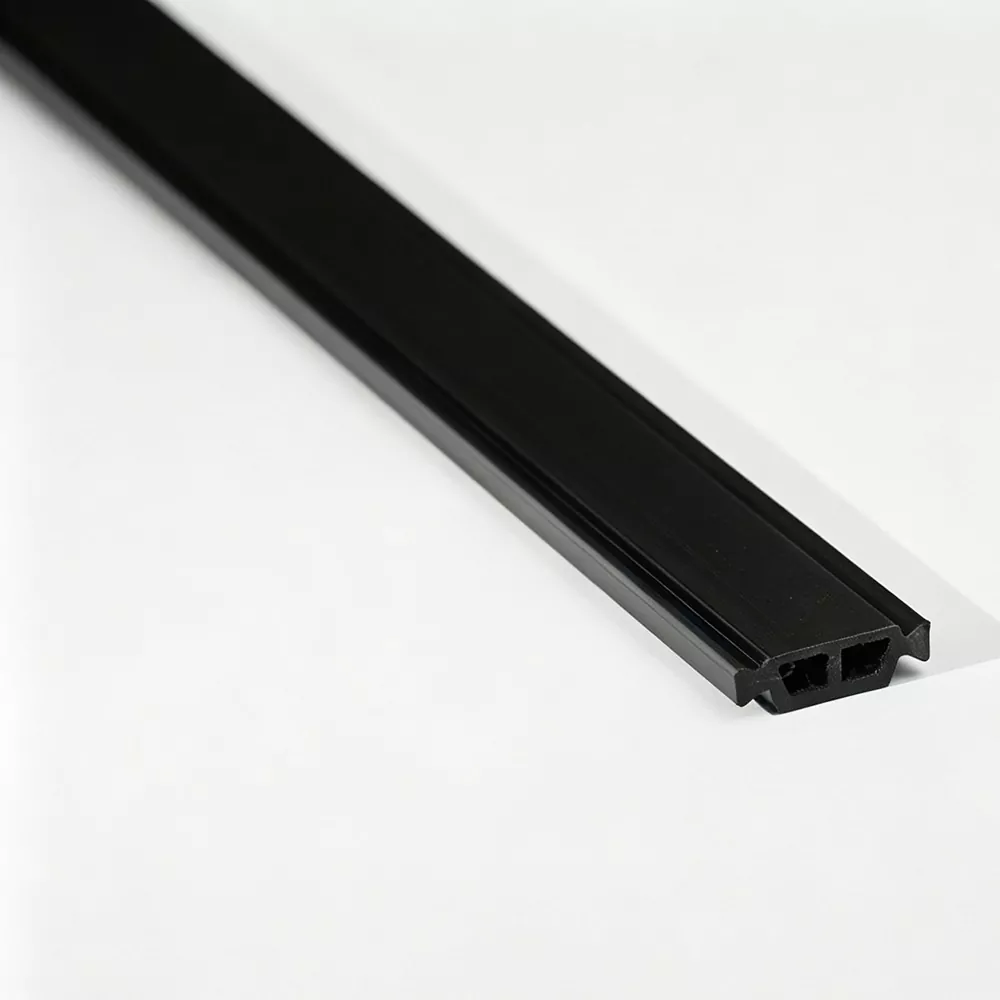
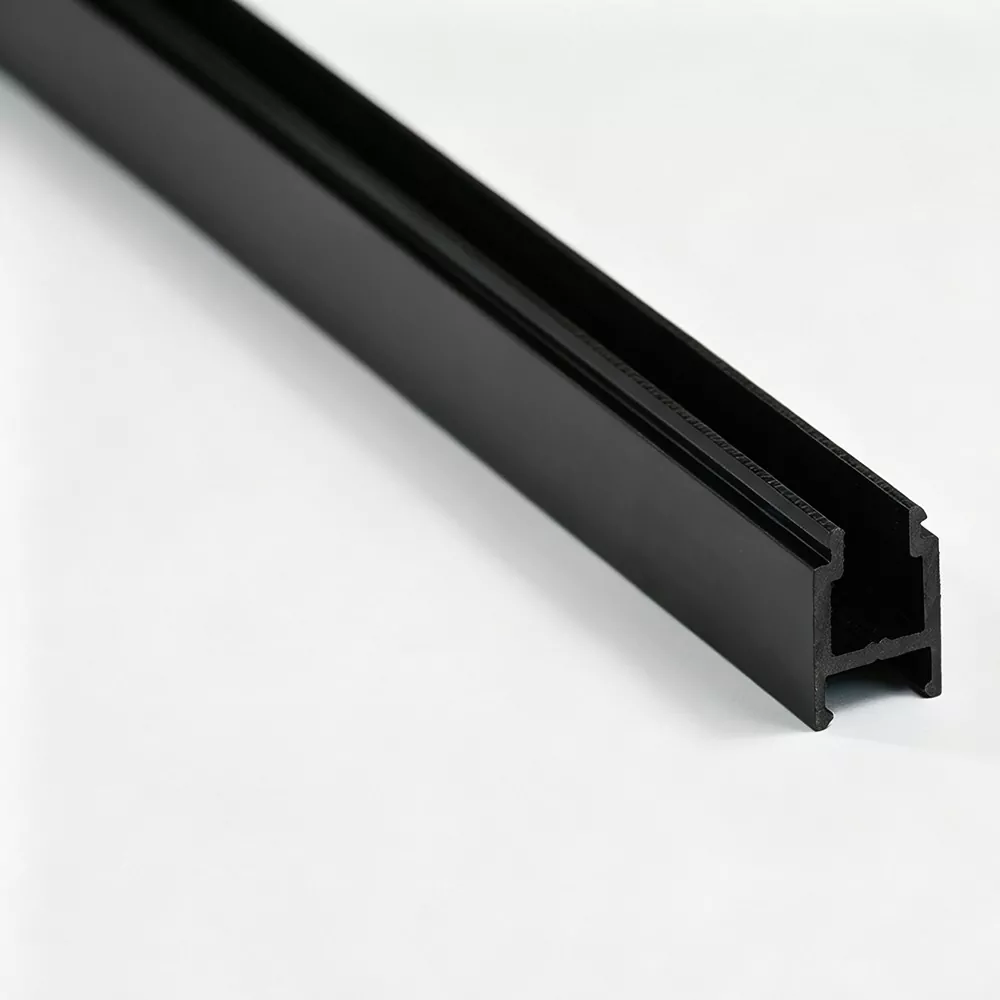
Glass-Fiber Reinforced Polyamide Strip is suitable for thermally broken:
Aluminum Windows
Provides the reinforced polyamide section between interior and exterior aluminum profiles.
Aluminum Doors
Suitable for profiles requiring a stable thermal barrier under repeated mechanical use.
Curtain Walls
Used in thermally separated façade profiles where mechanical stability and dimensional consistency are important.
Customized Aluminum Extrusions
Can be produced for profile systems requiring specific cross-sectional dimensions or locking details.
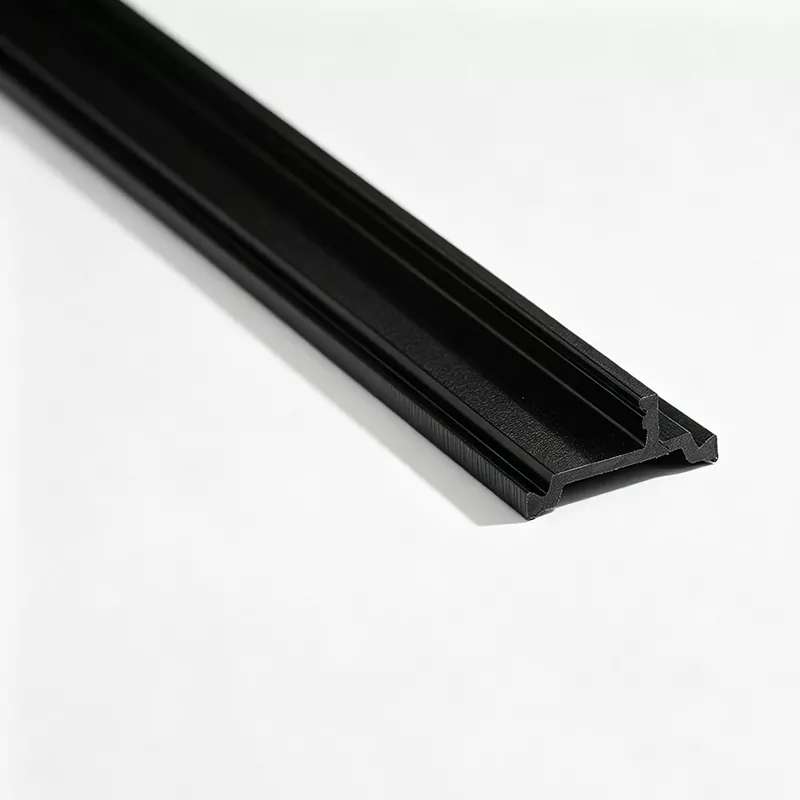
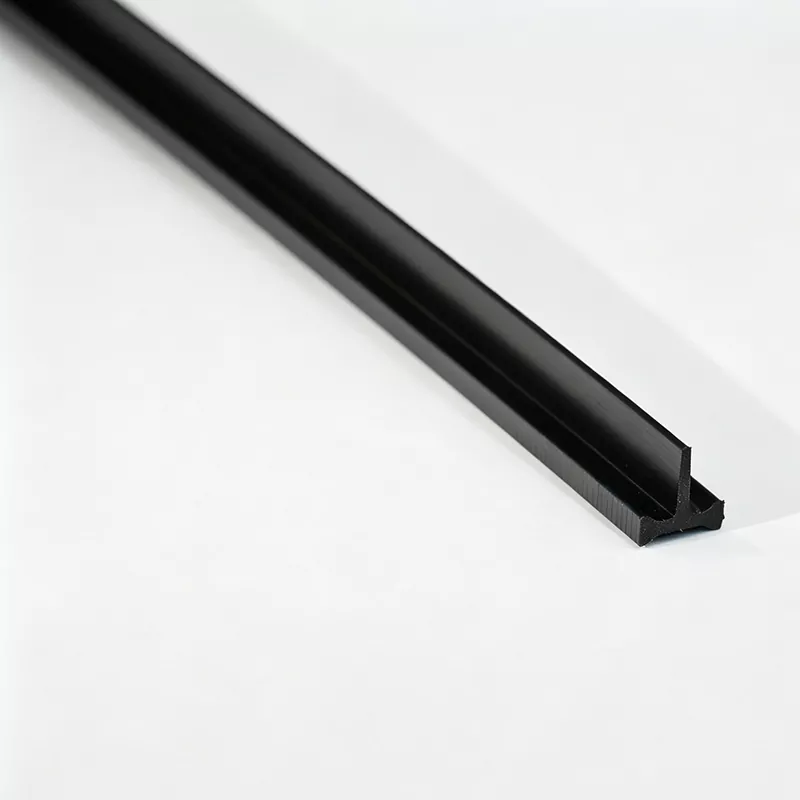
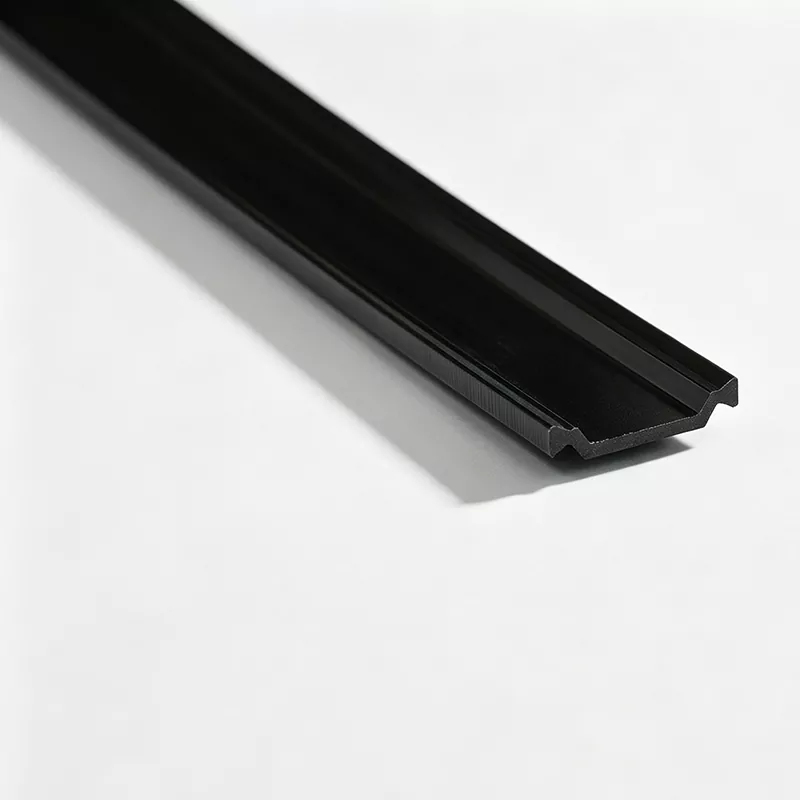
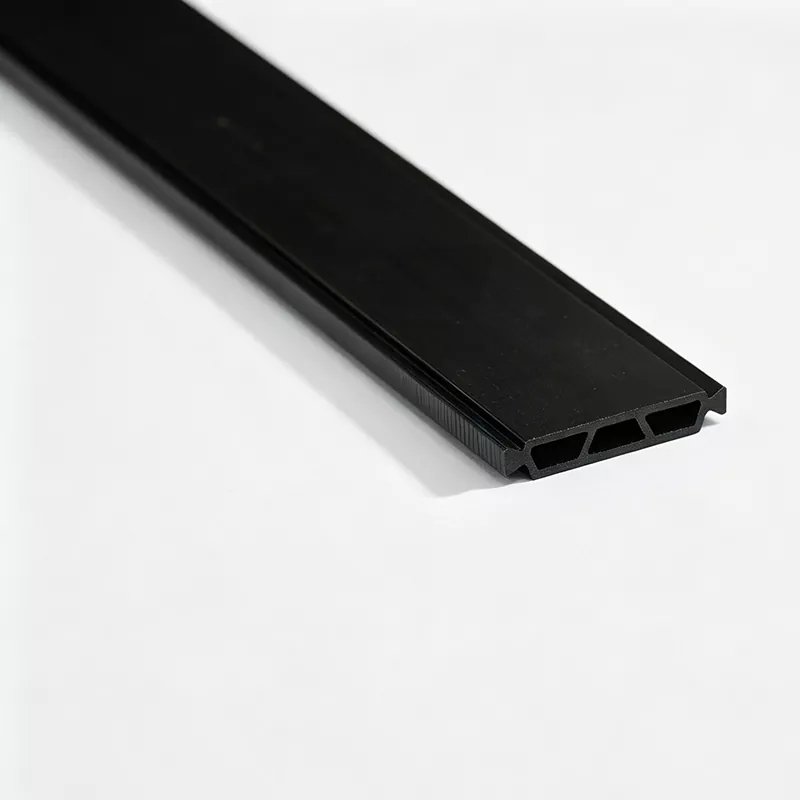
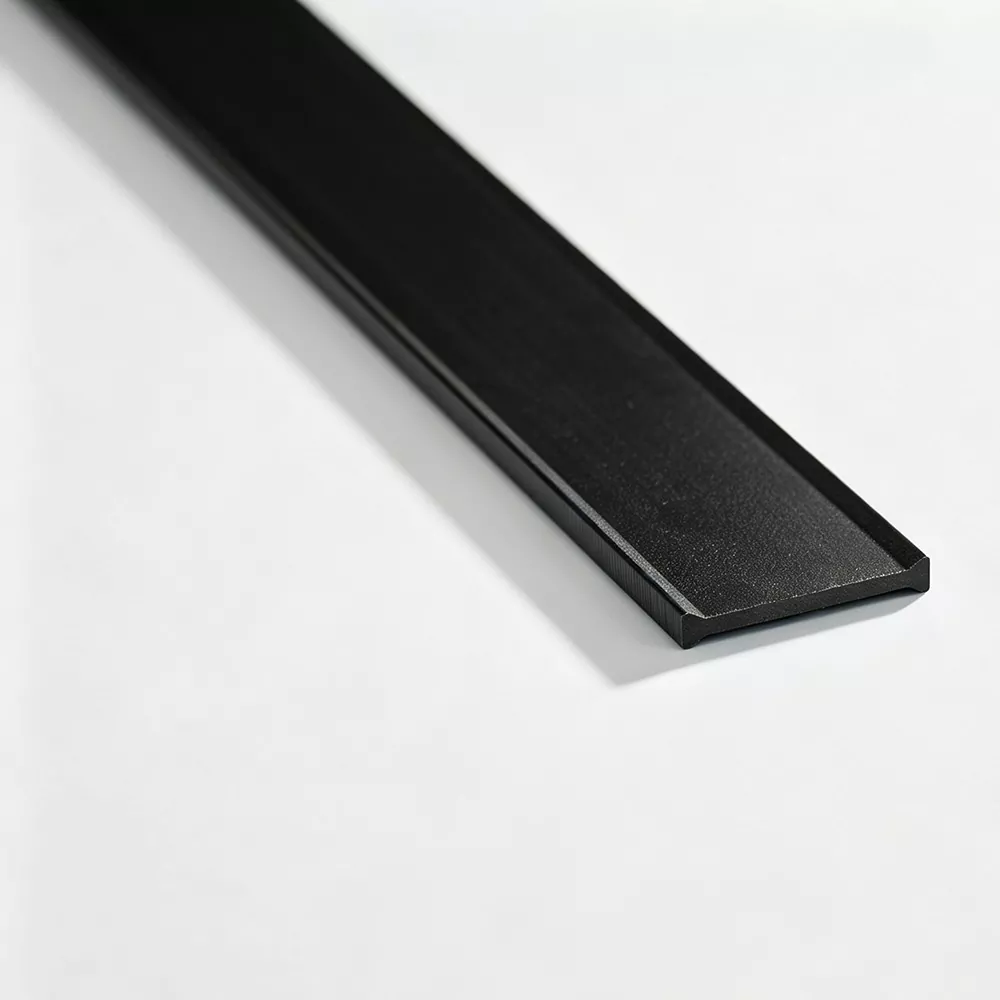
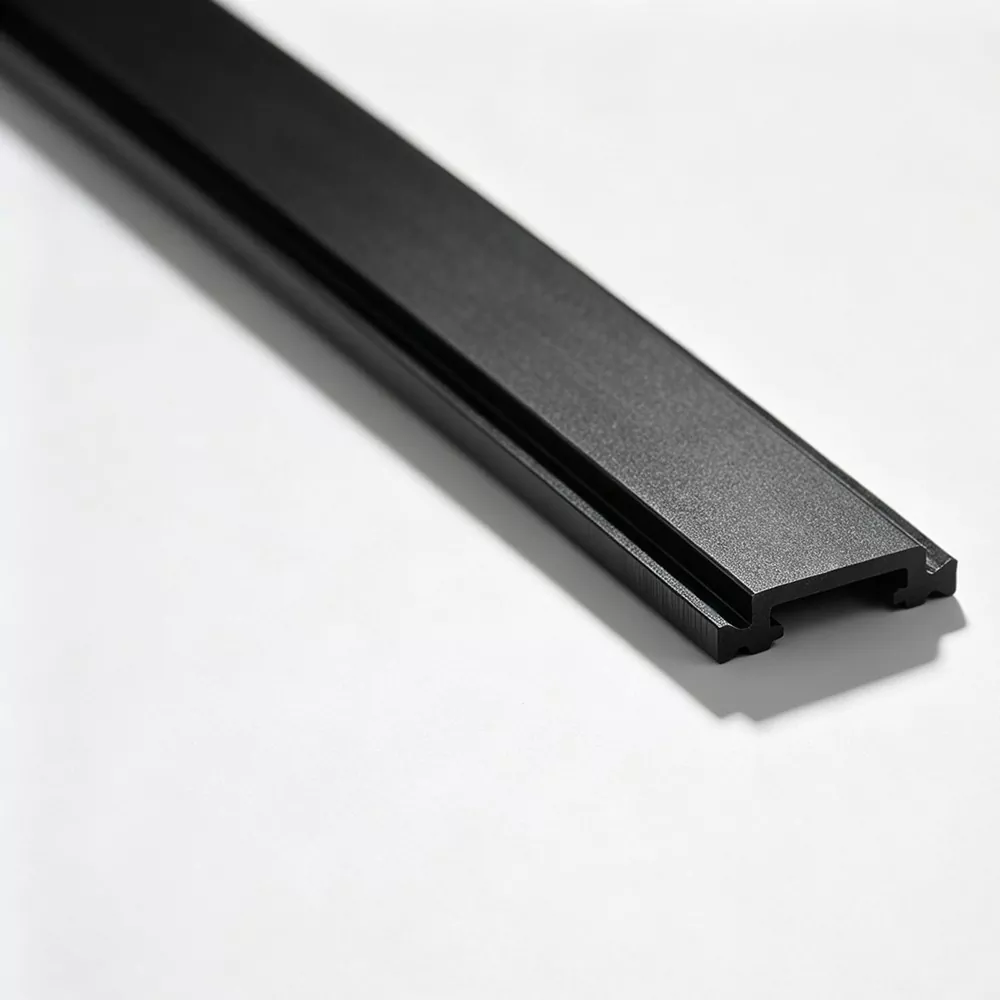
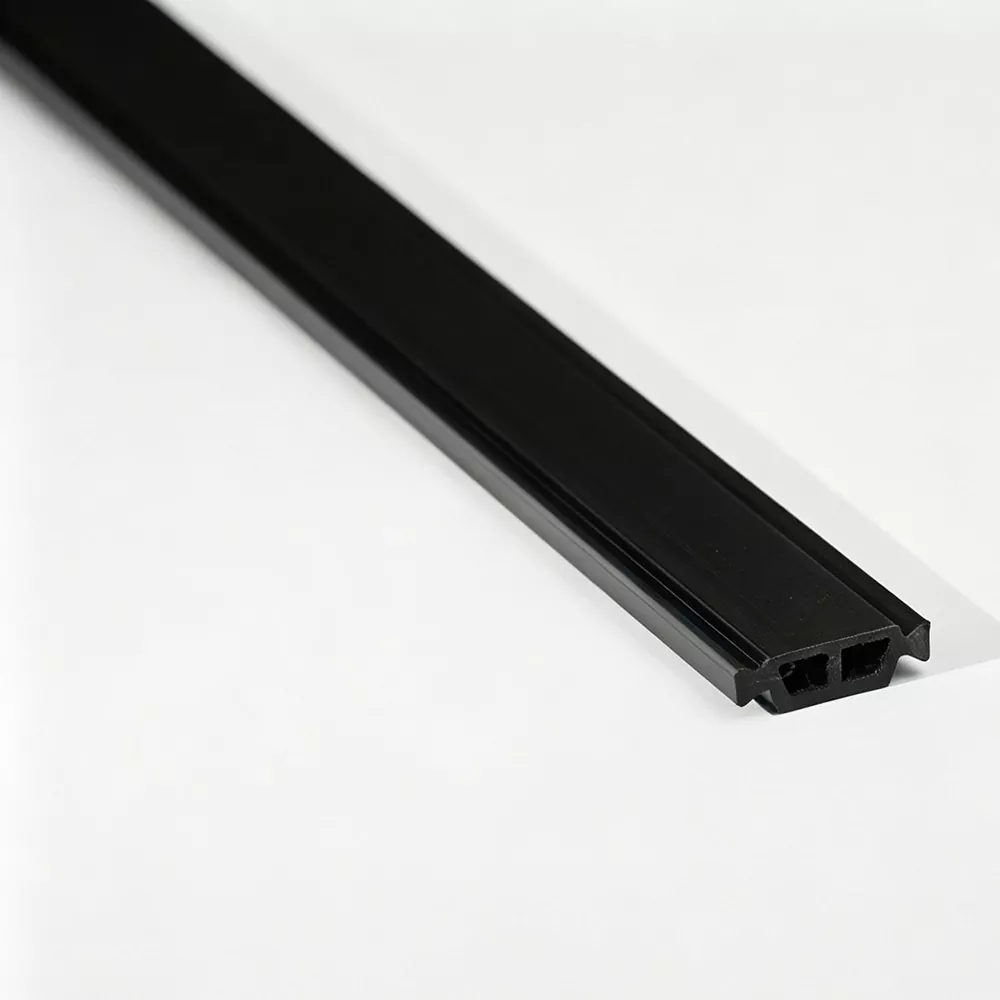
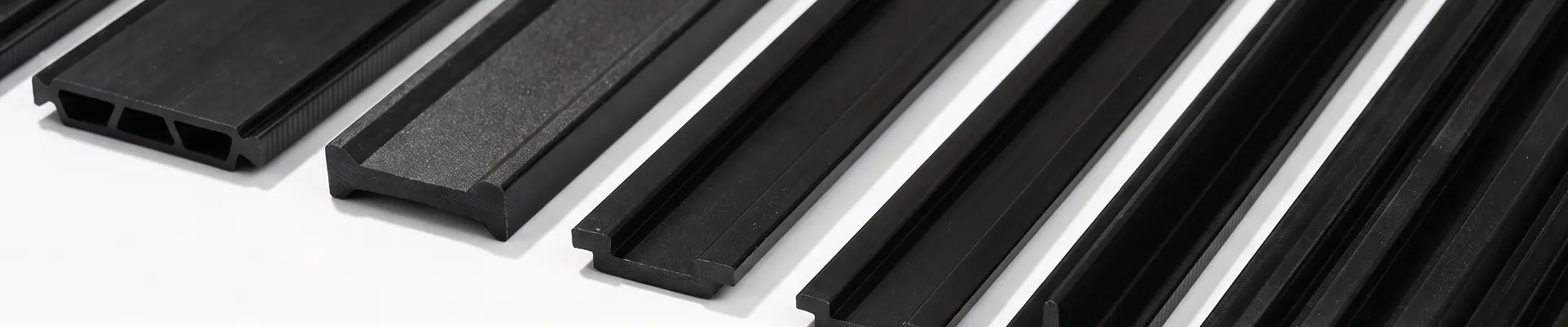
Glass-fiber reinforced polyamide can be extruded into different thermal break sections according to the aluminum profile design, including:
· I-Type
· C-Type
· T-Type
· CT-Shape
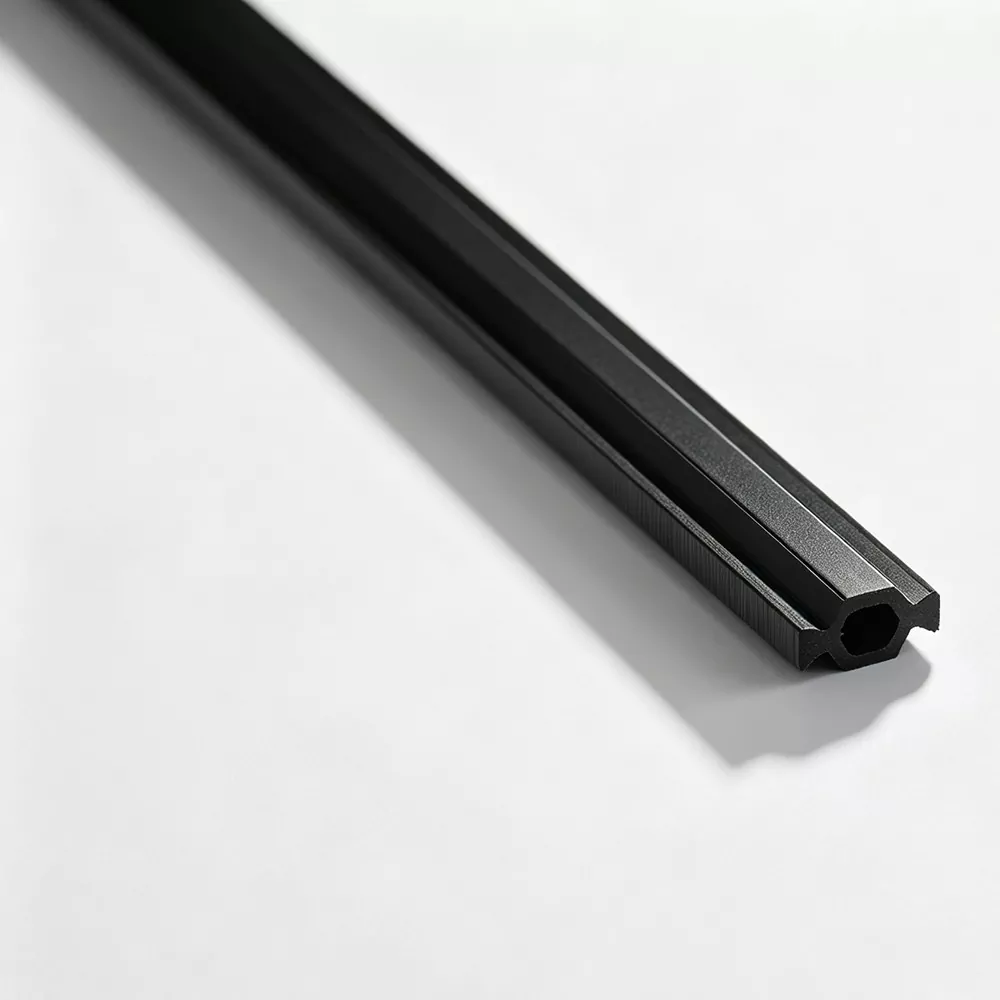
· Hollow profiles
· Other customized sections
The selected geometry depends on the aluminum cavity, required engagement and system design.
Jinxing controls the process from material blending through extrusion, cooling, shaping and precision cutting.
During extrusion, temperature, pulling speed and cooling conditions are controlled to maintain profile accuracy. Production samples are checked for cross-sectional dimensions and surface defects, followed by finished-product inspection before shipment.
Relevant mechanical, thermal aging, water resistance and other properties can be evaluated according to the applicable specification.
The material can be formed into standard or non-standard thermal break sections. For a customized profile, Jinxing can work from an aluminum extrusion drawing or physical sample.
Customization can cover:
· Cross-sectional shape
· Width and thickness
· Locking geometry
· Color
· Cut length
· Packaging
· Laser coding
Straight strips are available at 6 m per piece, while coiled supply can be arranged for suitable specifications. Cut-to-length processing is also available according to the customer's profile requirements.
It is a polyamide thermal break profile reinforced with glass fiber to improve rigidity, mechanical stability and dimensional stability.
Jinxing's core reinforced thermal break material is PA66 with 25% glass fiber, commonly designated PA66 GF25.
Glass fiber increases the rigidity and mechanical stability of the polyamide, helping the strip withstand profile insertion, rolling and service loads.
They are used in thermally broken aluminum windows, doors, curtain walls and other architectural aluminum extrusion systems.
Yes. The material can be extruded into I-Type, C-Type, T-Type, CT-Shape, hollow and other customized profile geometries.
Yes. Jinxing can develop dimensions and cross-sectional details according to aluminum profile drawings or physical samples.
Address
Taozhou Town, Guangde City, Xuancheng City, Anhui Province, China
Tel