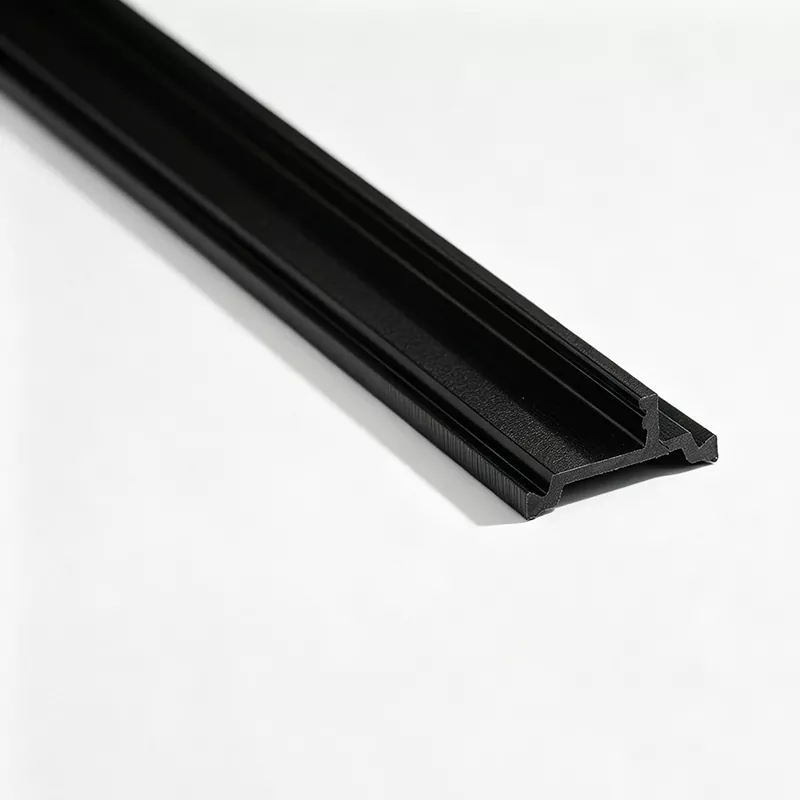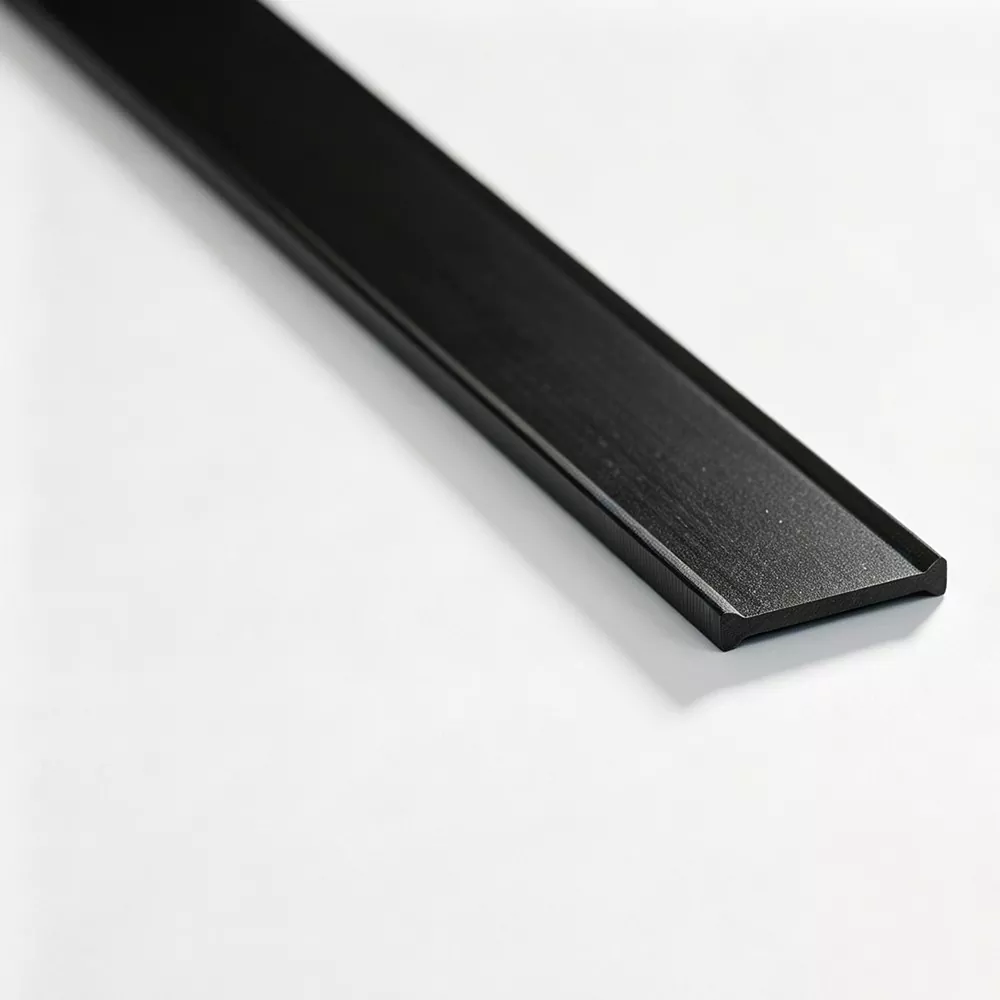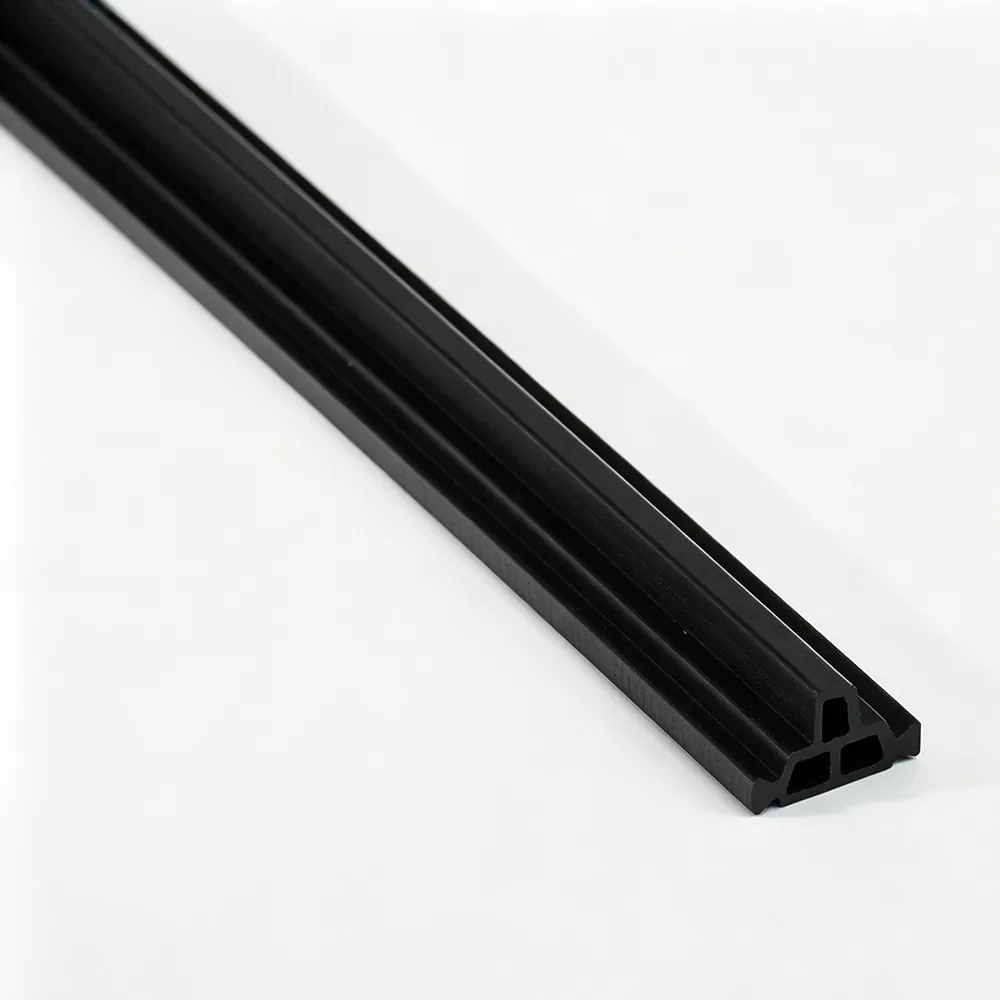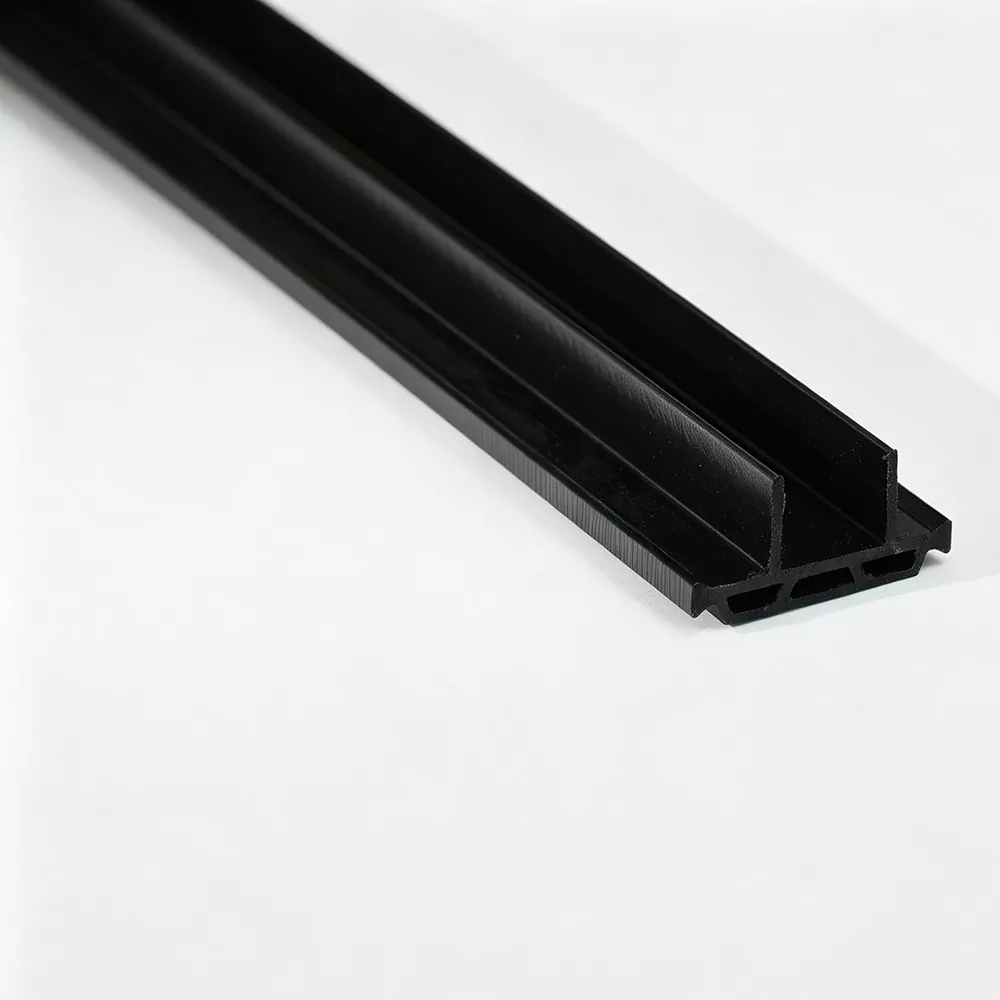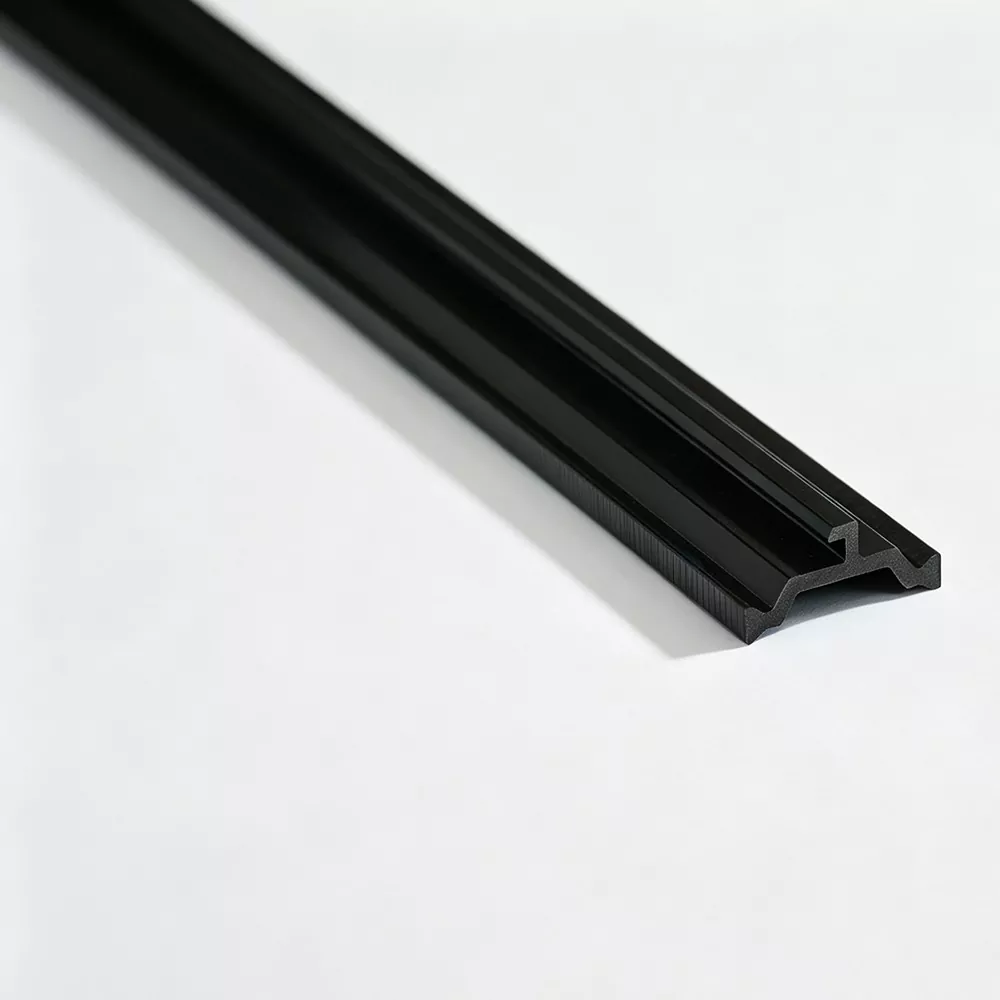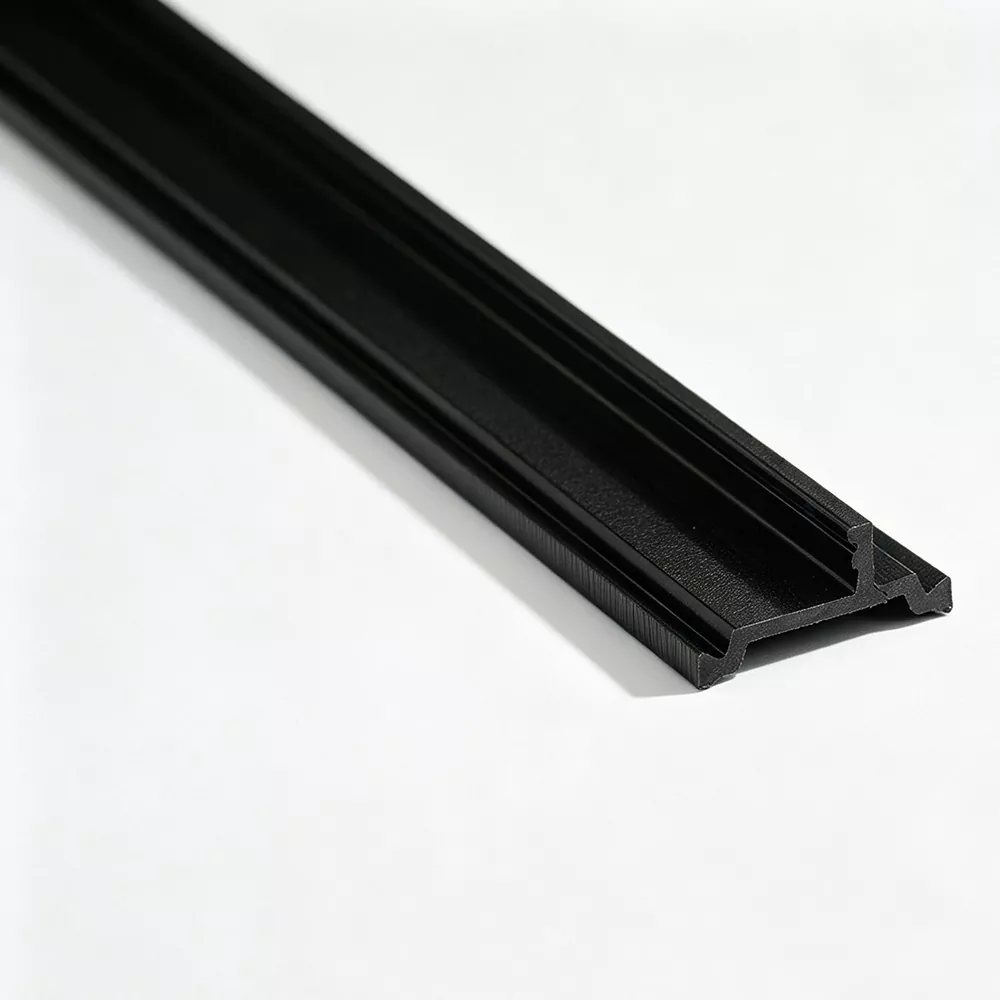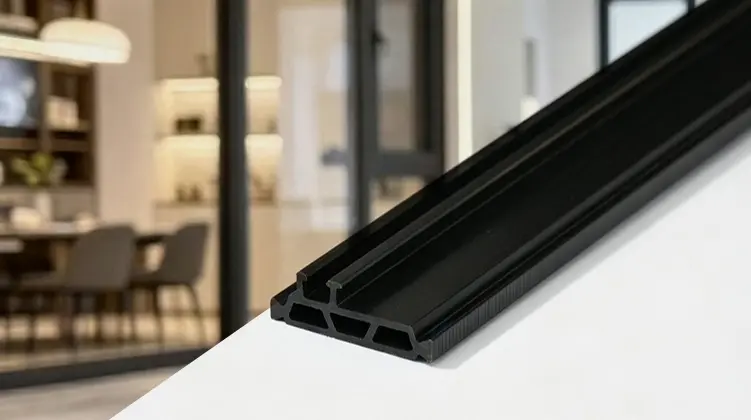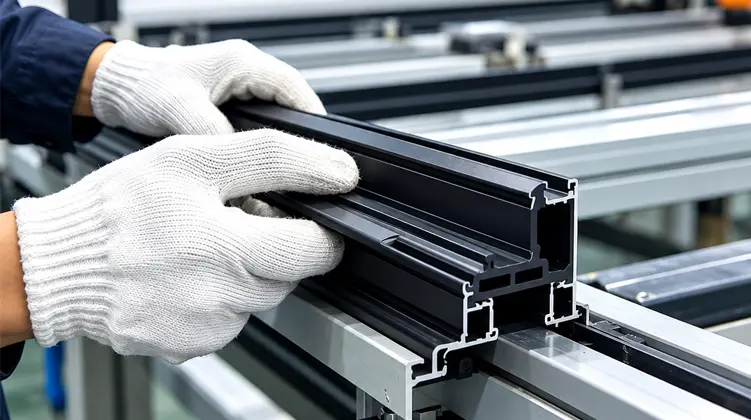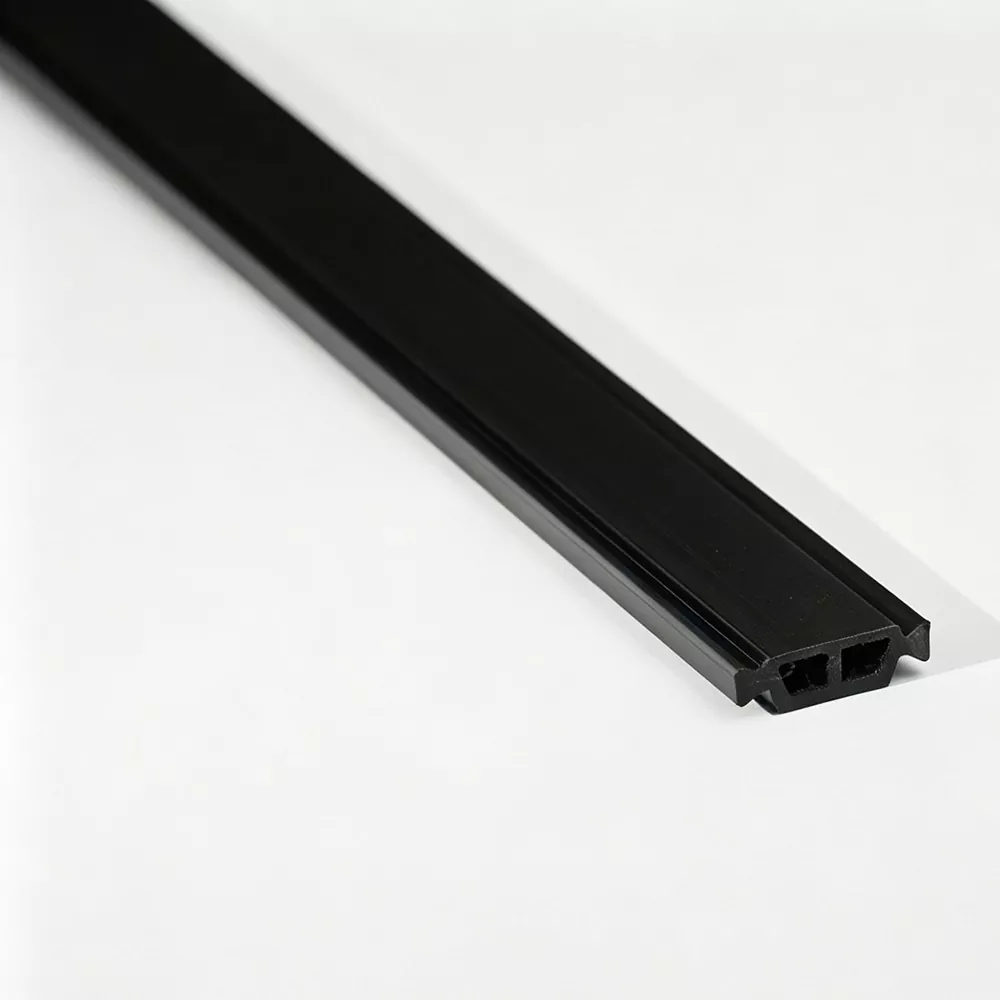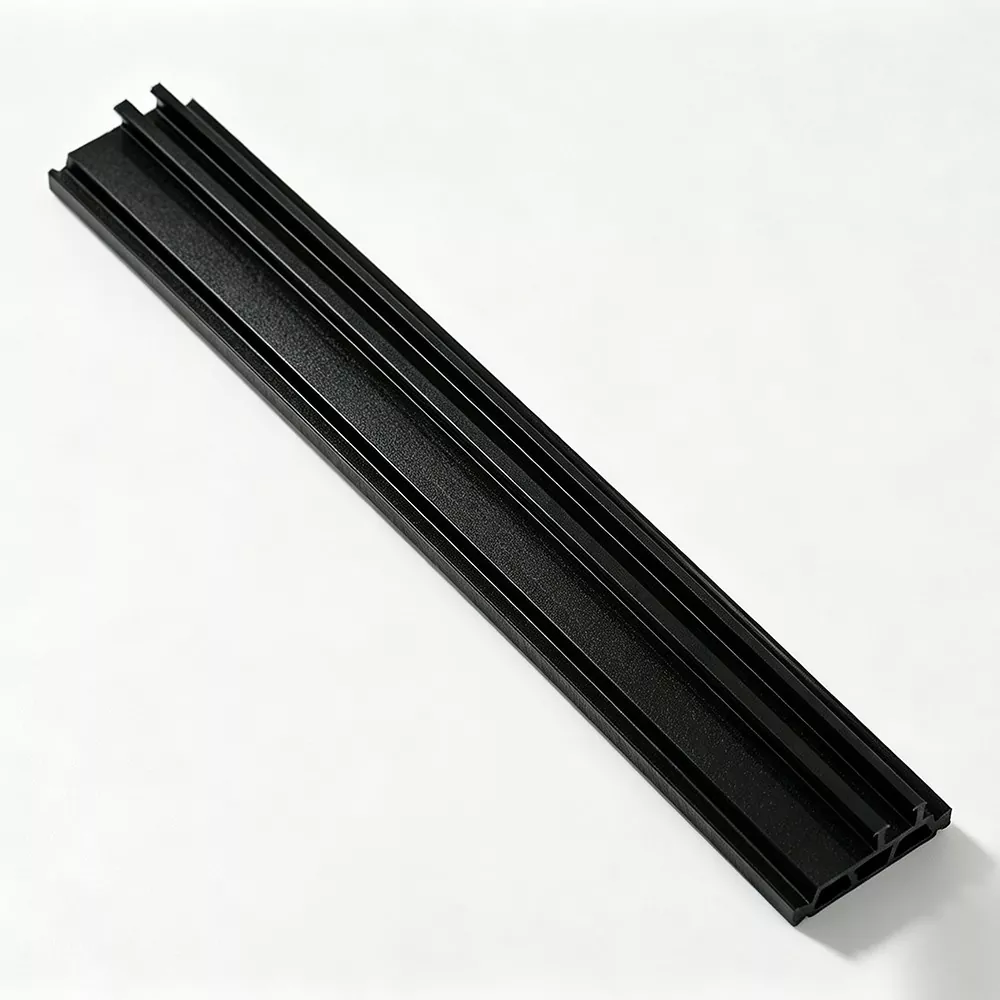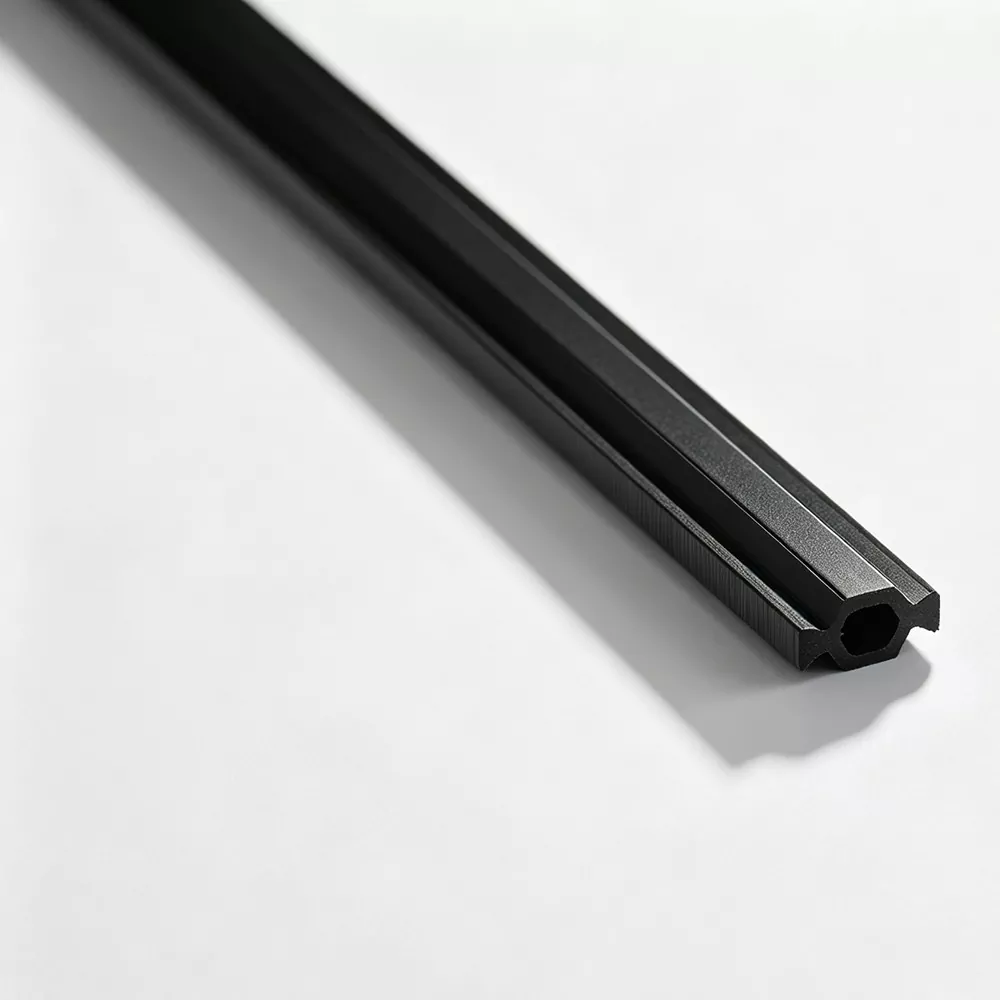

Choosing between standard and custom thermal break strips involves more than comparing dimensions or prices. The right option depends on aluminum profile geometry, assembly requirements, thermal insulation objectives, and production consistency. In this article, we explain how standard and custom PA66 GF25 thermal break strips differ, where each option works best, and what to consider before placing a bulk order. Drawing on our manufacturing experience at Jinxing International, we also share practical considerations for selecting thermal break profiles for energy-efficient windows, doors, and curtain wall systems.
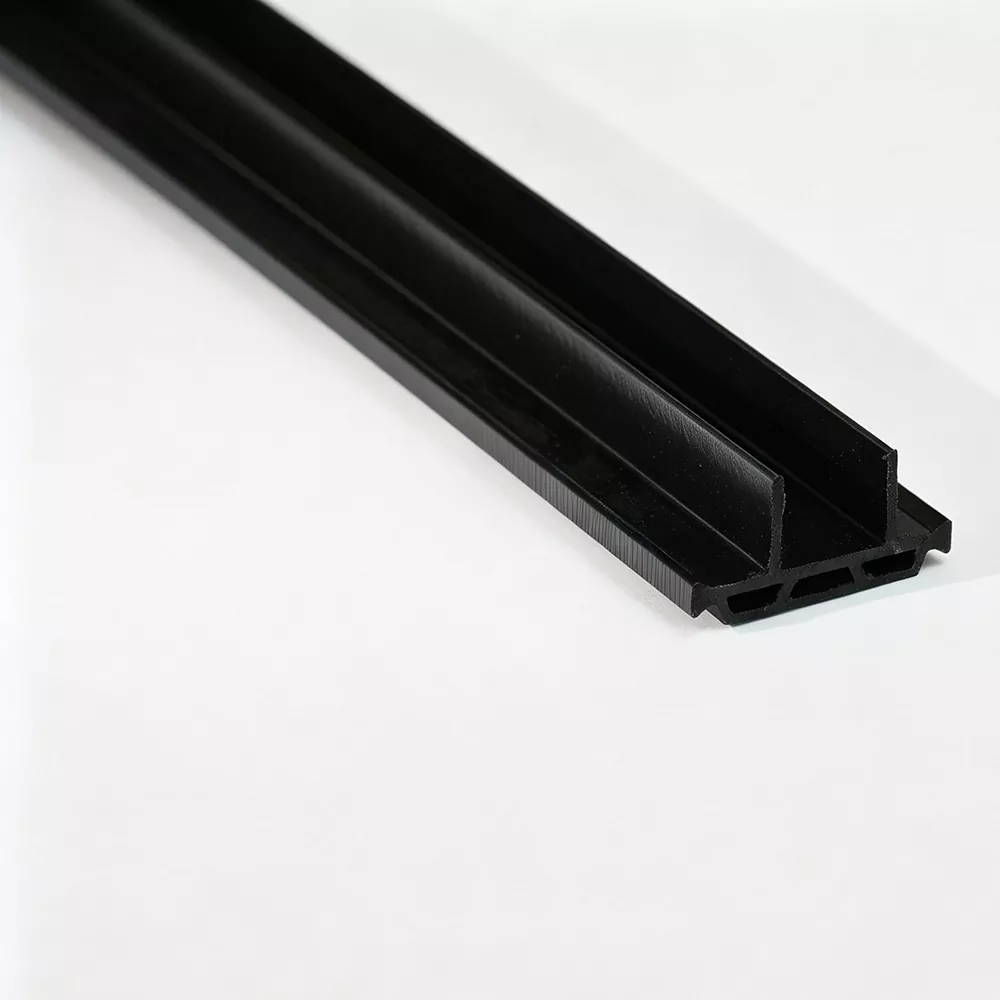
Standard vs. Custom Thermal Break Strips: What's the Difference?
When sourcing thermal break strips for aluminum windows, doors, or curtain wall systems, one of the first decisions is whether to use a standard profile or develop a custom one. We often find that this decision is closely connected to the aluminum profile design, existing production equipment, and the intended application.
Standard thermal break strips are manufactured according to established profile designs and commonly used dimensions. They are suitable for projects where the aluminum extrusion structure already accommodates an available strip profile. Their main advantages are straightforward selection, shorter product development procedures, and convenient repeat purchasing.
Custom thermal break strips, on the other hand, are developed around specific aluminum profile drawings and assembly requirements. Their cross-sectional geometry, width, height, grooves, and connecting structures can be tailored to the corresponding profile design. This approach is particularly useful when an existing standard profile cannot achieve the required fit or when an aluminum system has its own structural design.
In our experience, neither option is universally better. The important question is whether the strip matches the aluminum profile and maintains reliable mechanical performance after assembly and throughout the intended service conditions.
When Are Standard Thermal Break Strips the Better Option?
For aluminum profile manufacturers working with established window and door systems, standard PA66 GF25 thermal break strips can simplify product selection and production planning.
We generally recommend considering standard profiles when the project has the following characteristics:
- Existing aluminum profile compatibility: The profile groove and connecting structure already match an available thermal break strip design.
- Repeated production requirements: The same window or door system is manufactured regularly, making consistent replenishment important.
- Established product specifications: The project does not require changes to the strip's cross-sectional geometry.
- Simpler procurement planning: The manufacturer prefers to work with an existing product design rather than introduce a new profile development process.
For example, an aluminum window manufacturer producing the same series of thermal break windows across multiple production batches may benefit from a standard strip that matches its existing aluminum extrusion design. Once compatibility has been established, repeat orders become easier to organize, and production teams can maintain a consistent assembly process.
However, a standard profile should never be selected simply because its overall width appears similar to the required aluminum cavity. The complete cross-section, including the connecting geometry and engagement structure, must match the corresponding aluminum profile.
When Should You Choose Custom Thermal Break Strips?
Custom thermal break strips become more valuable when an aluminum profile has a unique cross-sectional design or when the standard options do not provide the required dimensional compatibility.
At Jinxing, we see custom profile requirements particularly in projects involving specialized aluminum window systems, architectural doors, and curtain wall applications.
1. Non-Standard Aluminum Profile Geometry
Some aluminum profiles feature special grooves, connecting structures, or cavity dimensions. A standard thermal break strip may not provide the correct engagement or assembly fit. Custom extrusion profiles allow the strip geometry to be developed around the actual aluminum section.
2. Specific Structural and Assembly Requirements
The strip must work as part of the complete aluminum assembly. Its cross-sectional structure affects how it engages with the aluminum profile and transfers loads within the assembled system. Customization allows the profile design to address specific structural and manufacturing requirements.
3. New Window and Door System Development
When an aluminum manufacturer develops a new product series, the thermal break strip may need to be designed alongside the aluminum extrusion profile. Coordinating both components helps achieve better dimensional compatibility and a more consistent assembly process.
4. Long-Term Product Differentiation
For manufacturers developing proprietary aluminum window, door, or curtain wall systems, custom thermal break profiles provide greater control over product geometry. This can support distinctive system designs and reduce dependence on profiles that were originally developed for other applications.
For custom development, we recommend starting with the aluminum profile drawing or a physical cross-sectional sample. Important information includes the required strip dimensions, groove structure, engagement geometry, and intended application. These details provide a practical foundation for profile matching and extrusion development.
Why PA66 GF25 Matters for Thermal Break Applications
Regardless of whether a project uses standard or custom thermal break strips, material selection remains fundamental. For architectural aluminum thermal insulation systems, PA66 GF25 is a widely used material because it combines the properties of nylon 66 with glass fiber reinforcement.
PA66, also known as polyamide 66, provides the polymer base, while GF25 indicates a glass fiber reinforcement content of 25%. This reinforcement improves the material's mechanical properties and dimensional stability compared with unreinforced PA66.
Several material characteristics make PA66 GF25 suitable for thermal break applications:
- Mechanical strength: Glass fiber reinforcement helps improve strength and stiffness, supporting the structural requirements of aluminum profile assemblies.
- Dimensional stability: Reinforcement helps control dimensional changes, which is important for maintaining consistent profile geometry.
- Heat resistance: PA66 GF25 offers thermal performance suited to demanding architectural profile applications.
- Extrusion suitability: The material can be processed into different cross-sectional profiles through controlled extrusion production.
- Thermal insulation: The polyamide strip separates the inner and outer aluminum sections, helping reduce heat transfer through the aluminum frame.
It is important to distinguish the material's properties from the thermal performance of the complete window or door. Actual system performance also depends on the strip geometry, aluminum profile design, glazing configuration, sealing structure, and overall assembly.
At Jinxing, we specialize in PA66 GF25 thermal break strips and focus on maintaining material and dimensional consistency throughout production.
Key Material Properties and Evaluation Considerations
When evaluating PA66 GF25 thermal break strips, we recommend paying attention to the following material and dimensional characteristics:
| Evaluation Item | What It Evaluates | Why It Matters |
|---|---|---|
| Glass Fiber Content | Reinforcement proportion in the PA66 compound | Influences mechanical properties and material consistency |
| Dimensional Stability | Changes in profile dimensions under different conditions | Helps maintain compatibility with aluminum profiles |
| Mechanical Strength | Resistance to mechanical stress during handling and assembly | Supports structural requirements of thermal break systems |
| Heat Resistance | Material behavior under elevated temperature conditions | Supports performance in architectural applications |
| Water Resistance | Material behavior under moisture exposure | Helps evaluate suitability for the intended service environment |
Standard vs. Custom Thermal Break Strips: A Practical Comparison
The following comparison highlights the main differences from a manufacturing and procurement perspective.
| Comparison Factor | Standard Thermal Break Strips | Custom Thermal Break Strips |
|---|---|---|
| Profile Design | Existing profile geometry | Developed according to project drawings or samples |
| Dimensional Requirements | Available standard dimensions | Tailored cross-sectional dimensions |
| Aluminum Compatibility | Suitable for matching existing profile systems | Designed for specific aluminum profile structures |
| Development Process | Generally simpler product selection | Requires profile evaluation and development |
| Design Flexibility | Limited to available profile designs | Greater flexibility in cross-sectional geometry |
| Typical Applications | Established window and door systems | Specialized windows, doors, and curtain wall systems |
| Repeat Purchasing | Convenient for established product specifications | Suitable for repeat production after profile development |
One point worth emphasizing: custom does not automatically mean better performance, and standard does not mean lower quality. If a standard profile already matches the aluminum system, changing its geometry adds no inherent advantage. Customization is most valuable when it solves a specific compatibility or design problem.
5 Factors to Consider Before Choosing Thermal Break Strips
Before making a purchasing decision, we suggest evaluating the following five aspects rather than comparing products based on dimensions alone.
1. Aluminum Profile Cross-Section
This is the starting point. Examine the groove width, groove depth, connecting structure, and complete cross-sectional geometry. The strip must match the aluminum profile's actual assembly requirements.
2. Material Composition
Check whether the thermal break strip is manufactured from PA66 GF25 and whether the glass fiber content meets the required specification. Material consistency directly influences the mechanical and dimensional properties of the finished profile.
3. Mechanical and Dimensional Requirements
Consider the mechanical demands of the assembled aluminum system, including the required structural performance and dimensional tolerances. The strip's geometry and material properties should work together to support reliable assembly.
4. Thermal Insulation Objectives
Thermal break strips help reduce heat transfer through aluminum frames, but they are only one part of the complete building envelope. Evaluate the strip as part of the entire window, door, or curtain wall system rather than treating the material alone as an indicator of overall energy efficiency.
5. Manufacturing Consistency and Supply Capability
For bulk procurement, production consistency matters as much as initial product selection. Stable raw material preparation, controlled extrusion, cooling and shaping, and precision cutting all contribute to dimensional consistency between production batches.
Practical Selection Checklist
Before finalizing a thermal break strip specification, consider the following factors:
| Selection Factor | What to Check | Why It Matters |
|---|---|---|
| Aluminum Profile Design | Groove width, depth, and connecting structure | Ensures proper fit and assembly compatibility |
| Material Composition | PA66 base material and 25% glass fiber reinforcement | Influences mechanical properties and dimensional stability |
| Dimensional Requirements | Width, height, thickness, and cross-sectional tolerances | Helps maintain consistent profile engagement |
| Thermal Insulation Objectives | Thermal break design and complete window system configuration | Supports the overall thermal performance of the assembly |
| Production Capability | Material preparation, extrusion, cooling, and cutting | Contributes to product consistency across batches |
Frequently Asked Questions
1. What is the main difference between standard and custom thermal break strips?
Standard thermal break strips use existing profile designs and dimensions, while custom thermal break strips are developed according to specific aluminum profile drawings or samples. Standard options suit established aluminum systems, whereas custom profiles address special dimensional and structural requirements.
2. Are PA66 GF25 thermal break strips suitable for aluminum windows and doors?
Yes. PA66 GF25 thermal break strips are widely used in thermally insulated aluminum alloy windows and doors. The glass fiber reinforcement improves the mechanical properties and dimensional stability of the PA66 material, making it suitable for architectural thermal break applications.
3. Can thermal break strips be customized according to aluminum profile drawings?
Yes. Custom thermal break strips can be developed based on aluminum profile drawings or physical samples. Important design considerations include cross-sectional dimensions, groove geometry, connecting structures, and assembly requirements.
4. Does a custom thermal break strip always provide better thermal insulation?
No. Customization primarily provides greater control over profile geometry and compatibility. Actual thermal insulation performance depends on the material, strip geometry, aluminum system design, glazing, sealing, and the complete window or door configuration.
5. What information is needed when requesting custom PA66 GF25 thermal break strips?
We recommend providing an aluminum profile drawing or physical sample, required thermal break strip dimensions, cross-sectional details, and intended application. This information helps evaluate profile compatibility and establish the appropriate extrusion design.
6. Why is production consistency important for thermal break strip manufacturers?
Consistent dimensions and material properties help maintain reliable compatibility with aluminum profiles during assembly. Controlled raw material preparation, extrusion, cooling, shaping, and precision cutting are important parts of maintaining consistent product quality across batches.
The choice between standard and custom thermal break strips often comes down to the aluminum profile itself. A strip that fits the profile accurately and maintains consistent dimensions during production helps support reliable assembly and long-term performance. This is also why material selection and extrusion control matter. At Jinxing International, we manufacture PA66 GF25 thermal break strips in our own facility in Guangde, Anhui, managing each stage from raw material blending and extrusion to cooling, shaping, and precision cutting. Our PA66 GF25 thermal break strips are developed for applications in aluminum windows, doors, and curtain wall systems.